How to optimize your bedroom environment for sleep: Enhance Your Sleep Quality Now

How to optimize your bedroom environment for sleep

How to optimize your bedroom environment for sleep sets the stage for this enthralling narrative, offering readers a glimpse into a story that is rich in detail with casual formal language style and brimming with originality from the outset.

Creating the perfect sleep environment involves various aspects like decluttering, setting up ideal lighting, and personalizing the space. Let’s delve deeper into these key components.

Importance of Bedroom Environment for Sleep Quality: How To Optimize Your Bedroom Environment For Sleep

Optimizing the bedroom environment is crucial for quality sleep as it directly impacts our overall well-being. A conducive environment can significantly improve sleep patterns, leading to better rest and rejuvenation for the body and mind.

Impact on Sleep Quality

A well-designed bedroom plays a vital role in promoting relaxation and reducing stress levels, creating the perfect setting for a restful night’s sleep. Factors such as lighting, temperature, noise levels, and comfort of the bed and bedding can all contribute to the quality of sleep experienced.

  • Proper Lighting: Dimming the lights and eliminating bright screens before bedtime can help signal to the body that it’s time to rest, promoting the production of melatonin, the sleep hormone.
  • Optimal Temperature: Maintaining a cool, comfortable temperature in the bedroom can prevent disruptions in sleep due to overheating or feeling too cold.
  • Noise Control: Minimizing noise disturbances through soundproofing or white noise machines can create a peaceful sleep environment conducive to uninterrupted rest.
  • Comfortable Bedding: Investing in a supportive mattress and pillows, along with soft, breathable bedding, can enhance comfort levels and promote better sleep quality.

Overall Health and Well-being

Quality sleep is essential for physical health, cognitive function, and emotional well-being. By optimizing the bedroom environment for sleep, individuals can experience improved energy levels, mood, concentration, and overall quality of life.

  • Physical Health: Adequate sleep is linked to a stronger immune system, better metabolism, and lower risk of chronic diseases such as heart disease and diabetes.
  • Cognitive Function: Quality sleep enhances memory consolidation, problem-solving abilities, and overall cognitive performance, crucial for optimal brain function.
  • Emotional Well-being: Restful sleep promotes emotional stability, stress resilience, and mood regulation, contributing to mental health and overall happiness.

Setting Up the Ideal Sleep Environment

Creating the perfect sleep environment in your bedroom is essential for getting a good night’s rest. From minimizing light and noise to choosing the right bedding and controlling temperature, here are some tips to optimize your bedroom for better sleep.

Creating a Dark and Quiet Space

  • Use blackout curtains or blinds to block out any external light that may disrupt your sleep.
  • Consider using earplugs or a white noise machine to minimize noise disturbances.
  • Turn off electronic devices and consider using a sleep mask if needed.

Importance of Comfortable Bedding and Mattress Selection

  • Invest in a comfortable mattress that provides proper support for your body to avoid aches and pains.
  • Choose bedding made from breathable materials like cotton to regulate body temperature and improve comfort.
  • Regularly wash your sheets and pillowcases to maintain cleanliness and freshness.

Controlling Temperature and Humidity Levels

  • Keep your bedroom cool at night by adjusting the thermostat or using a fan if necessary.
  • Consider using a dehumidifier to reduce humidity levels, which can help prevent mold and mildew growth.
  • Use a humidifier if the air in your bedroom is too dry, especially during the winter months.

Decluttering and Organizing

Decluttering your bedroom can have a significant impact on your sleep quality and overall well-being. A tidy space can help reduce stress, promote relaxation, and create a calming environment that is conducive to a good night’s rest.

Benefits of Decluttering

  • Reduced distractions: A clutter-free space allows you to focus on relaxation and sleep, without being visually overwhelmed by mess and chaos.
  • Promotes relaxation: A clean and organized bedroom can signal to your brain that it’s time to wind down, making it easier to relax and fall asleep.
  • Improved air quality: Removing clutter can help to improve air circulation and reduce dust accumulation, creating a healthier environment for sleep.

Methods for Organizing Belongings

  • Utilize storage solutions: Invest in storage bins, baskets, and shelves to keep items organized and out of sight.
  • Declutter regularly: Set aside time to declutter your bedroom on a regular basis to prevent clutter from building up.
  • Create designated spaces: Assign specific areas for different types of items to make it easier to find and put things away.

Impact on Mental Well-being

  • Reduced stress and anxiety: A clean and tidy space can help promote a sense of calm and reduce feelings of overwhelm.
  • Improved focus and productivity: Clutter-free environments can enhance mental clarity and focus, leading to better sleep and overall well-being.
  • Promotes mindfulness: Organizing belongings mindfully can help cultivate a sense of mindfulness and presence, which can positively impact sleep quality.

Lighting and Electronics

When it comes to optimizing your bedroom environment for better sleep, paying attention to lighting and electronics is essential. The type of light exposure and the presence of electronic devices can significantly impact your sleep quality.

Reducing Exposure to Artificial Light

Artificial light, especially the blue light emitted by screens of electronic devices, can interfere with your body’s production of melatonin, the hormone that regulates sleep. To reduce exposure to artificial light before bedtime:

  • Avoid using electronic devices at least an hour before going to bed.
  • Use dim red lights for night lights instead of bright white ones.
  • Consider using blue light blocking glasses in the evening if you need to use screens.

Effects of Electronic Devices on Sleep Quality

Electronic devices like smartphones, tablets, and TVs emit blue light that can disrupt your circadian rhythm and make it harder to fall asleep. To minimize the negative effects of electronic devices on sleep:

  • Avoid using electronic devices in bed to associate your bedroom with sleep, not screen time.
  • Turn off all screens at least an hour before bedtime to allow your brain to wind down.
  • Consider setting a technology curfew to establish a consistent sleep routine.

Optimizing Bedroom Lighting for Relaxation and Sleep

Creating a calming and soothing lighting environment in your bedroom can help signal to your body that it’s time to wind down and prepare for sleep. To optimize bedroom lighting for relaxation and sleep:

  • Use warm, soft lighting sources like lamps with dimmer switches or candles.
  • Avoid harsh overhead lighting and opt for softer, indirect lighting options.
  • Consider installing blackout curtains or shades to block out external light sources.

Creating a Relaxing Atmosphere

How to optimize your bedroom environment for sleep

Creating a calming atmosphere in your bedroom is essential for promoting quality sleep. Incorporating elements that evoke relaxation can help you unwind and prepare your mind and body for rest.

Incorporating Aromatherapy

Aromatherapy can be a powerful tool for creating a relaxing ambiance in your bedroom. Consider using essential oils like lavender, chamomile, or ylang-ylang in a diffuser to fill the room with soothing scents that can help reduce stress and promote sleep.

Using Soothing Colors and Textures

Choose calming colors like soft blues, greens, or neutrals for your bedroom walls and bedding to create a tranquil environment. Incorporate plush textures like cozy blankets, fluffy rugs, and comfortable pillows to enhance the feeling of relaxation.

Incorporating Plants or Natural Elements

Bringing elements of nature into your bedroom, such as potted plants or natural materials like wood or stone, can help create a peaceful ambiance. Plants like aloe vera, snake plant, or peace lilies not only add a touch of greenery but also purify the air and contribute to a calming atmosphere.

Personalizing the Bedroom Environment

Personalizing the bedroom environment plays a crucial role in optimizing sleep quality. Tailoring the space to individual preferences can significantly enhance comfort and relaxation, ultimately promoting better rest and rejuvenation.

Customizing Bedding and Pillows

  • Choose bedding materials that suit your preferences, whether it’s crisp cotton sheets or cozy flannel.
  • Experiment with different pillow types to find the perfect balance of support and softness for your neck and head.
  • Consider adding extra blankets or throws for added warmth or weight, depending on your comfort needs.

Personalized Decor and Color Scheme

  • Incorporate decor items that resonate with your personality and bring you joy, such as photos, artwork, or favorite objects.
  • Select a color scheme that promotes a sense of calm and relaxation for you personally, whether it’s soothing blues, soft neutrals, or warm earth tones.
  • Experiment with different textures and patterns to create a space that feels uniquely yours and fosters a sense of serenity.

Creating a Relaxing Ambiance

  • Add elements like essential oil diffusers, calming music, or white noise machines to customize the atmosphere according to your relaxation preferences.
  • Adjust the room temperature to your liking, whether you prefer a cooler environment for sleeping or a slightly warmer setting.
  • Incorporate elements of nature, such as plants or natural materials, to bring a sense of tranquility and connection to the outdoors.

Monitoring and Adjusting

Monitoring sleep patterns and adjusting the bedroom environment accordingly is crucial for ensuring optimal sleep quality. By tracking your sleep habits and making necessary changes, you can create a space that promotes restful and rejuvenating sleep.

Tools for Tracking Sleep Quality, How to optimize your bedroom environment for sleep

There are various tools and techniques available for monitoring sleep quality and making adjustments to the bedroom environment. Some common options include:

  • Wearable devices like fitness trackers or smartwatches that monitor sleep patterns and provide insights into sleep quality.
  • Sleep tracking apps that analyze your sleep data and offer suggestions for improving sleep hygiene.
  • Sleep journals where you can manually record your sleep habits, daily activities, and any factors that may impact your sleep.

Benefits of Regular Assessment and Adaptation

Regularly assessing and adapting the bedroom environment for optimal sleep has several benefits:

  • Improved sleep quality: By making necessary changes based on monitoring data, you can enhance your sleep environment and experience better rest.
  • Increased energy and productivity: Quality sleep leads to increased energy levels and improved cognitive function, boosting productivity during the day.
  • Reduced stress and anxiety: A comfortable and conducive sleep environment can help reduce stress and anxiety levels, promoting overall well-being.

Closure

In conclusion, optimizing your bedroom environment for sleep can significantly impact your overall well-being. By implementing the strategies discussed, you can create a peaceful sanctuary that promotes restful sleep. Sweet dreams await!

Common Queries

How important is decluttering for improving sleep quality?

Decluttering your bedroom can reduce stress and create a more relaxing environment, ultimately enhancing your sleep quality.

Is it necessary to personalize the bedroom environment for better sleep?

Personalizing your bedroom based on your preferences can enhance comfort and relaxation, contributing to improved sleep.

What are some ways to reduce exposure to artificial light before bedtime?

Avoiding screens and using dim lighting in the evening can help reduce exposure to artificial light and improve sleep quality.

How can plants or natural elements contribute to a peaceful ambiance in the bedroom?

Incorporating plants or natural elements can purify the air, reduce stress, and create a calming atmosphere conducive to better sleep.

Why is monitoring and adjusting the bedroom environment important for optimal sleep?

Regularly monitoring sleep patterns and making necessary adjustments ensures that your bedroom environment remains optimized for quality sleep.

How to incorporate proper nutrition into a busy lifestyle – Balancing health in a hectic world

How to incorporate proper nutrition into a busy lifestyle

Kicking off with How to incorporate proper nutrition into a busy lifestyle, this opening paragraph is designed to captivate and engage the readers, setting the tone casual formal language style that unfolds with each word.

In today’s fast-paced world, juggling work, family, and personal commitments can make it challenging to prioritize nutrition. However, maintaining a balanced diet and healthy lifestyle is crucial for overall well-being. This guide will explore practical tips and strategies to help you incorporate proper nutrition into your busy schedule, ensuring that you stay energized, focused, and healthy amidst the chaos of daily life.

Balanced Diet

Eating a balanced diet is crucial for maintaining overall health and well-being. It provides the necessary nutrients that our bodies need to function properly and stay healthy. A balanced diet consists of a variety of foods from all food groups in appropriate proportions.

Importance of Nutrient-Rich Foods

Including a variety of nutrient-rich foods in your daily diet is essential for optimal health. Some examples of these foods include:

  • Fruits and vegetables: rich in vitamins, minerals, and antioxidants.
  • Whole grains: provide fiber, vitamins, and minerals.
  • Lean proteins: such as poultry, fish, tofu, and legumes for muscle growth and repair.
  • Dairy or dairy alternatives: a good source of calcium for strong bones and teeth.
  • Healthy fats: like avocados, nuts, and seeds for brain function and hormone production.

Impact on Energy Levels and Mood

Maintaining a balanced diet can have a significant impact on your energy levels and mood. When you fuel your body with the right nutrients, you are more likely to feel energized and alert throughout the day. Nutrient-dense foods can also help stabilize blood sugar levels, which can prevent energy crashes and mood swings.

Overall, a balanced diet can contribute to improved mental and emotional well-being.

Mental Wellness

Proper nutrition plays a crucial role in promoting mental well-being. The food we consume directly impacts our brain function, mood, and overall mental health. Incorporating brain-boosting foods into a busy lifestyle can help improve cognitive function, reduce stress, and enhance overall mental clarity.

Brain-Boosting Foods for a Busy Lifestyle

Eating a diet rich in brain-boosting foods can help support mental wellness even with a hectic schedule. Here are some tips on incorporating these foods into your daily routine:

  • Include fatty fish like salmon, sardines, or trout in your meals to get a good source of omega-3 fatty acids, which are essential for brain health.
  • Snack on nuts and seeds such as almonds, walnuts, chia seeds, and flaxseeds for a dose of healthy fats, antioxidants, and protein.
  • Incorporate leafy green vegetables like spinach, kale, and broccoli into your meals to provide essential nutrients like folate, vitamin K, and antioxidants.
  • Opt for whole grains like quinoa, oats, and brown rice to support steady energy levels and brain function throughout the day.
  • Enjoy fruits rich in antioxidants and vitamins, such as berries, oranges, and bananas, to boost cognitive function and mood.

The Link Between Mental Health and a Healthy Diet

A healthy diet not only benefits physical health but also plays a significant role in mental health and well-being. Research has shown that a balanced diet can help reduce the risk of mental health conditions such as depression, anxiety, and cognitive decline.

“Nutrient-dense foods provide the necessary vitamins, minerals, and antioxidants that support brain function and help regulate mood.”

By prioritizing a diet rich in whole foods, lean proteins, healthy fats, fruits, and vegetables, individuals can support their mental wellness and overall quality of life, even amidst a busy schedule.

Physical Fitness

Proper nutrition plays a crucial role in supporting physical fitness goals by providing the necessary fuel and nutrients for optimal performance and muscle recovery.

Pre and Post-Workout Meals

When it comes to pre and post-workout meals, timing and composition are key. Before a workout, it’s important to consume a balanced meal that includes carbohydrates for energy and protein to support muscle function. Examples of pre-workout meals could include a banana with a handful of nuts, or a turkey and avocado wrap.After a workout, the focus shifts to replenishing glycogen stores and providing the body with the necessary nutrients for muscle recovery.

Post-workout meals should include a combination of protein and carbohydrates to aid in muscle repair and growth. Examples of post-workout meals could include a protein smoothie with fruits, or grilled chicken with sweet potatoes and vegetables.

Importance of Protein and Carbohydrates for Muscle Recovery

Protein is essential for muscle recovery as it helps repair and build muscle tissues that are broken down during exercise. Carbohydrates are important for replenishing glycogen stores, which are depleted during physical activity. A good balance of protein and carbohydrates in your diet can help support muscle recovery and overall physical fitness goals.

Adequate Hydration

Maintaining proper hydration is essential for overall health and well-being. Water plays a crucial role in various bodily functions, including regulating body temperature, aiding digestion, and transporting nutrients and oxygen to cells.

Benefits of Staying Hydrated

  • Improved physical performance: Being adequately hydrated can enhance athletic performance and reduce the risk of exercise-induced fatigue.
  • Boosted cognitive function: Proper hydration is linked to improved concentration, focus, and overall brain function.
  • Supports metabolism: Drinking enough water can help with weight management by boosting metabolism and reducing feelings of hunger.
  • Enhanced skin health: Hydration plays a key role in maintaining skin elasticity and preventing dryness and signs of aging.

Tips for Remembering to Drink Enough Water

  • Carry a reusable water bottle with you throughout the day as a visual reminder to stay hydrated.
  • Set reminders on your phone or use apps that track your water intake to help you stay on top of your hydration goals.
  • Infuse your water with fruits or herbs to add flavor and make it more enjoyable to drink.
  • Drink a glass of water before each meal to help ensure you’re getting enough fluids throughout the day.

Impact of Hydration on Cognitive Function and Metabolism

  • Hydration and cognitive function: Dehydration can lead to cognitive impairment, affecting memory, attention, and mood. Staying hydrated is crucial for optimal brain function.
  • Hydration and metabolism: Water is essential for the body’s metabolic processes, including the breakdown of food and the conversion of nutrients into energy. Adequate hydration can help support a healthy metabolism.

Regular Exercise

Regular exercise is crucial for maintaining overall health and well-being. When it comes to incorporating proper nutrition into a busy lifestyle, it is important to fuel the body adequately for exercise routines to optimize performance and recovery.

Nutrition for Exercise, How to incorporate proper nutrition into a busy lifestyle

Proper nutrition plays a key role in fueling the body for regular exercise. Carbohydrates are the body’s primary source of energy, making them essential for sustained physical activity. Opt for complex carbohydrates like whole grains, fruits, and vegetables to provide lasting energy throughout your workout.

Additionally, include lean protein sources to support muscle repair and growth.

Pre-Workout Snacks

Before a workout, consider consuming snacks that can boost energy levels and enhance performance. Examples of pre-workout snacks include:

  • A banana with a tablespoon of nut butter for a combination of carbohydrates and healthy fats.
  • Greek yogurt with berries for a balance of protein and carbohydrates.
  • Oatmeal topped with sliced almonds for a mix of complex carbohydrates and protein.

Post-Exercise Nutrition

After completing a workout, it is important to refuel the body with proper nutrition to support muscle recovery. Focus on consuming a combination of carbohydrates and protein within 30 minutes to an hour post-exercise. Examples of post-workout nutrition include:

  • Grilled chicken with quinoa and roasted vegetables for a well-rounded meal.
  • A protein shake with a banana for a quick and convenient option.
  • Greek yogurt with granola and honey for a balance of protein and carbohydrates.

Healthy Lifestyle

How to incorporate proper nutrition into a busy lifestyle

Proper nutrition plays a vital role in achieving a healthy lifestyle. It provides our bodies with the essential nutrients needed to function properly, maintain overall health, and prevent chronic diseases.

Meal Planning and Preparation Tips

When dealing with a busy lifestyle, meal planning and preparation can make a significant difference in ensuring you have access to nutritious meals. Here are some practical tips to streamline this process:

  • Set aside time each week to plan your meals and snacks.
  • Create a shopping list based on your meal plan to avoid impulse buys.
  • Prep ingredients in advance, such as washing and chopping fruits and vegetables.
  • Cook in batches and store leftovers for quick and easy meals throughout the week.
  • Opt for simple and nutritious recipes that require minimal time and effort.

Long-Term Benefits of Prioritizing Nutrition

Prioritizing nutrition in your daily routines can lead to numerous long-term benefits for your overall health and well-being. Some of these benefits include:

  • Improved energy levels and productivity.
  • Enhanced immune function and reduced risk of illnesses.
  • Weight management and better body composition.
  • Lower risk of chronic diseases such as heart disease, diabetes, and certain cancers.
  • Enhanced mental clarity and cognitive function.

Stress Management

Managing stress is crucial for overall well-being. The relationship between nutrition and stress levels is significant, as certain foods can help reduce stress and promote relaxation. A well-balanced diet plays a key role in managing stress effectively.

Foods for Stress Reduction

Consuming the right foods can help alleviate stress and promote relaxation. Some foods known for their stress-reducing properties include:

  • Green leafy vegetables: Rich in magnesium, which helps regulate cortisol levels
  • Fatty fish: High in omega-3 fatty acids that reduce anxiety and stress
  • Berries: Packed with antioxidants that combat stress-induced inflammation
  • Avocados: Contain healthy fats that promote brain health and reduce stress
  • Nuts and seeds: Good sources of magnesium, zinc, and omega-3s for stress relief

Importance of a Well-Balanced Diet

A well-balanced diet is essential for managing stress effectively. Nutrient-rich foods provide the body with the necessary vitamins and minerals to combat stress and promote relaxation. By maintaining a healthy diet, you can better cope with stressful situations and improve your overall well-being.

Preventive Care

Proper nutrition plays a crucial role in preventing chronic diseases by providing the body with essential nutrients to support overall health and immunity. By incorporating a balanced diet rich in vitamins, minerals, antioxidants, and other key nutrients, individuals can strengthen their immune system and reduce the risk of developing various health conditions.

Foods that Boost Immune System

  • Citrus fruits: Rich in vitamin C, which helps boost the immune system.
  • Leafy greens: Packed with antioxidants and vitamins essential for overall health.
  • Yogurt: Contains probiotics that support gut health and immune function.
  • Garlic: Known for its immune-boosting properties and antiviral effects.
  • Berries: High in antioxidants that help protect cells from damage.

Impact on Overall Well-being

Proactive preventive care through nutrition not only helps in preventing chronic diseases but also contributes to overall well-being by promoting better energy levels, mental clarity, and emotional balance. By fueling the body with nutrient-dense foods, individuals can enhance their quality of life and reduce the burden of illness, leading to a healthier and happier lifestyle.

Quality Sleep

Proper nutrition plays a significant role in the quality of sleep we get each night. The foods we consume can affect our sleep patterns and overall restfulness.

Bedtime Snacks for Better Sleep

  • Opt for snacks high in tryptophan, such as a small bowl of cottage cheese or a handful of almonds, as tryptophan is known to promote relaxation and sleep.
  • Avoid sugary or spicy snacks close to bedtime, as they can disrupt sleep patterns and lead to restlessness.
  • Consider a warm glass of milk or a banana, as they contain nutrients that can help induce sleepiness.

Importance of a Balanced Diet for Sleep

Eating a balanced diet rich in fruits, vegetables, whole grains, and lean proteins can improve sleep patterns. Nutrients like magnesium, calcium, and vitamin B6 found in these foods are essential for regulating sleep hormones and promoting relaxation. Ensuring a well-rounded diet can contribute to better overall sleep quality.

Cardio Health

Proper nutrition plays a crucial role in maintaining cardiovascular health. The foods we consume directly impact the health of our heart and blood vessels, affecting factors such as cholesterol levels, blood pressure, and overall heart function.

Heart-Healthy Foods

Incorporating heart-healthy foods into your daily diet can significantly improve cardiovascular health. Some examples of these foods include:

  • Fatty fish rich in omega-3 fatty acids, such as salmon, mackerel, and sardines.
  • Whole grains like oatmeal, brown rice, and quinoa, which are high in fiber and promote heart health.
  • Fruits and vegetables, especially berries, leafy greens, and citrus fruits, which are packed with antioxidants and vitamins.
  • Nuts and seeds, such as almonds, walnuts, and chia seeds, which provide healthy fats and nutrients beneficial for heart health.
  • Legumes like beans, lentils, and chickpeas, which are excellent sources of protein, fiber, and essential minerals.

Role of Proper Nutrition

Proper nutrition is essential for maintaining a healthy heart by reducing the risk of cardiovascular diseases. A diet rich in fruits, vegetables, whole grains, lean proteins, and healthy fats can help lower cholesterol, regulate blood pressure, reduce inflammation, and support overall heart function.

By making conscious choices about the foods we eat, we can protect our heart health and promote longevity.

Immune Boost

Proper nutrition plays a crucial role in boosting our immune system and helping our bodies fight off infections and illnesses. By incorporating immune-boosting foods into our daily diet, we can support our overall health and well-being.

Immune-Boosting Foods

Include the following immune-boosting foods in your daily diet to support a strong immune system:

  • Citrus fruits like oranges, grapefruits, and lemons, rich in vitamin C
  • Leafy green vegetables such as spinach and kale, packed with antioxidants
  • Yogurt and other probiotic-rich foods to promote gut health
  • Garlic, known for its immune-boosting properties
  • Almonds, sunflower seeds, and other nuts and seeds for vitamin E

Importance of Nutrition in Immune Health

Nutrition plays a vital role in supporting immune health by providing essential nutrients that help strengthen our immune system. A well-balanced diet rich in vitamins, minerals, and antioxidants can help our bodies defend against harmful pathogens and keep us healthy.

Positive Mindset

Eating a nutritious diet not only benefits your physical health but also plays a crucial role in maintaining a positive mindset and overall mental well-being. The foods you consume can have a significant impact on your mood, energy levels, and cognitive function, ultimately influencing your outlook on life.

Foods to Enhance Mood

  • Omega-3 fatty acids found in fatty fish like salmon and nuts can help reduce symptoms of depression and anxiety.
  • Probiotics in fermented foods like yogurt and kimchi can support gut health, which is linked to improved mood and mental health.
  • Dark chocolate contains antioxidants that can boost mood and reduce stress by promoting the release of endorphins.

Impact of Healthy Diet on Positive Outlook

A balanced diet rich in whole foods such as fruits, vegetables, whole grains, lean proteins, and healthy fats provides essential nutrients that support brain function and regulate neurotransmitters responsible for mood regulation. By fueling your body with nutrient-dense foods, you can help stabilize your mood, increase focus, and maintain a positive mindset throughout the day.

Clean Eating

Eating clean involves consuming whole, unprocessed foods that are as close to their natural state as possible. This means prioritizing fruits, vegetables, lean proteins, whole grains, and healthy fats while avoiding artificial ingredients, added sugars, and excessive salt. Clean eating is not just about weight loss but also about improving overall health and well-being.

Incorporating Clean Eating into a Busy Lifestyle

Even with a hectic schedule, it is possible to adopt clean eating habits by planning ahead and making mindful choices. Here are some tips to help you incorporate clean eating practices into your busy lifestyle:

  • Avoid processed foods: Opt for whole foods such as fresh fruits, vegetables, nuts, and seeds instead of packaged snacks and ready-to-eat meals.
  • Meal prep: Dedicate some time each week to prepare healthy meals and snacks that you can grab on the go.
  • Choose wisely when eating out: Look for restaurants that offer fresh, whole food options and make smart choices when ordering.
  • Stay hydrated: Drink plenty of water throughout the day to support your body’s natural detoxification processes.
  • Read labels: Be mindful of ingredients lists and nutritional information to make informed decisions about the foods you consume.

Importance of Avoiding Processed Foods

Processed foods are often high in unhealthy fats, sugars, and additives that can contribute to various health issues such as obesity, heart disease, and diabetes. By avoiding processed foods and focusing on clean eating, you can reduce your risk of chronic diseases and improve your overall health and well-being.

Daily Activity

Proper nutrition plays a crucial role in supporting daily activity levels and maintaining energy throughout the day. By fueling our bodies with the right nutrients, we can optimize our performance and stay active.

Snacks for Sustained Energy

  • Trail mix: a mix of nuts, seeds, and dried fruits provides a good balance of protein, healthy fats, and carbohydrates for lasting energy.
  • Greek yogurt with berries: a combination of protein and fiber helps keep you full and energized.
  • Whole grain crackers with hummus: a great source of complex carbohydrates and protein to sustain energy levels.

Role of Proper Nutrition in an Active Lifestyle

Proper nutrition is essential for maintaining an active lifestyle as it provides the necessary nutrients to fuel our muscles, support recovery, and optimize performance. A balanced diet rich in fruits, vegetables, lean proteins, and whole grains can help improve endurance, strength, and overall fitness.

Holistic Health

Proper nutrition plays a vital role in achieving holistic well-being, which encompasses physical, mental, and emotional health. The connection between nutrition and holistic wellness is undeniable, as the food we consume directly impacts our overall well-being.

Adopting a Holistic Approach to Nutrition

  • Focus on whole, nutrient-dense foods such as fruits, vegetables, whole grains, lean proteins, and healthy fats.
  • Aim for a balanced diet that provides essential vitamins, minerals, and antioxidants to support overall health.
  • Practice mindful eating by paying attention to hunger cues, chewing food slowly, and savoring each bite.
  • Avoid processed foods, excessive sugar, and unhealthy fats that can negatively impact physical and mental health.
  • Stay hydrated by drinking an adequate amount of water throughout the day to support digestion, metabolism, and overall well-being.

Benefits of Focusing on Overall Wellness Through Proper Nutrition

  • Improved energy levels and mental clarity for better focus and productivity.
  • Enhanced immune function to ward off illnesses and promote longevity.
  • Healthy weight management and reduced risk of chronic diseases such as heart disease, diabetes, and obesity.
  • Better mood and emotional balance by fueling the body with essential nutrients for optimal brain function.
  • Increased longevity and quality of life by supporting cellular health, organ function, and overall vitality.

Mindful Living

Incorporating mindfulness into our daily lives can have a profound impact on our relationship with food and nutrition. By being present in the moment and fully aware of our eating habits, we can make more conscious choices that support our overall health and well-being.

Practicing Mindful Eating

  • Avoid distractions while eating, such as watching TV or scrolling through your phone.
  • Take time to appreciate the colors, textures, and flavors of your food.
  • Chew slowly and savor each bite, paying attention to how the food makes you feel.
  • Listen to your body’s hunger and fullness cues to avoid overeating.

Benefits of Mindfulness in Nutrition

  • Improved digestion and nutrient absorption due to better awareness of eating habits.
  • Reduced stress and emotional eating by being more in tune with your body’s needs.
  • Enhanced enjoyment of food, leading to a more positive relationship with eating.
  • Increased satisfaction and satiety from meals, preventing mindless snacking.

Emotional Balance

Proper nutrition plays a crucial role in maintaining emotional balance and regulating mood. The foods we consume can directly impact our brain chemistry, affecting our emotions and overall mental well-being.

Impact of Nutrition on Emotional Balance

A well-rounded diet rich in nutrients such as omega-3 fatty acids, vitamins, minerals, and antioxidants can help stabilize emotions and promote emotional well-being. These nutrients play a key role in neurotransmitter function, which influences our mood and emotional state.

  • Foods rich in omega-3 fatty acids, such as salmon, walnuts, and flaxseeds, can help reduce inflammation in the brain and support healthy brain function, leading to improved mood regulation.
  • Leafy greens, berries, nuts, and seeds are packed with antioxidants that protect the brain from oxidative stress and promote cognitive function, which can positively impact emotional well-being.
  • Protein-rich foods like lean meats, poultry, eggs, and legumes provide amino acids that serve as the building blocks for neurotransmitters like serotonin and dopamine, which are essential for mood regulation.

Health Education: How To Incorporate Proper Nutrition Into A Busy Lifestyle

Proper nutrition plays a crucial role in maintaining overall health and well-being. Health education is essential in promoting proper nutrition as it equips individuals with the knowledge and skills needed to make informed choices about their diet and lifestyle. By educating people about the importance of balanced diet, portion control, and food choices, health education empowers them to take control of their health and make positive changes.

Resources for Learning About Nutrition

  • Consulting with a registered dietitian or nutritionist for personalized guidance and advice.
  • Reading reputable sources such as scientific journals, government websites, and nutrition books.
  • Attending workshops, seminars, and webinars on nutrition and healthy eating habits.
  • Using online resources like nutrition websites, blogs, and educational videos.

Importance of Staying Informed About Nutritional Needs

Staying informed about nutritional needs is essential for maintaining a healthy lifestyle and preventing nutrition-related diseases. Understanding the role of nutrients in the body, recommended daily allowances, and the impact of dietary choices on overall health can help individuals make better food choices and improve their well-being.

Self-Care

How to incorporate proper nutrition into a busy lifestyle

Proper nutrition is an essential component of self-care practices, as it directly impacts our overall well-being. Nourishing foods not only provide our bodies with essential nutrients but also contribute to our mental and emotional health.

Importance of Incorporating Nourishing Foods

When it comes to self-care, the food we eat plays a crucial role in how we feel both physically and mentally. Incorporating nourishing foods into our diet can help boost our energy levels, improve our mood, and enhance our overall health.

  • Include a variety of fruits and vegetables in your meals to ensure you are getting a wide range of vitamins and minerals.
  • Opt for whole grains, lean proteins, and healthy fats to provide sustained energy throughout the day.
  • Avoid processed foods high in sugar, salt, and unhealthy fats, as they can negatively impact both our physical and mental well-being.
  • Stay hydrated by drinking an adequate amount of water each day, as dehydration can lead to fatigue and decreased cognitive function.

Impact of Proper Nutrition on Self-Care Routines

Proper nutrition not only fuels our bodies but also supports our self-care routines by providing the necessary nutrients for optimal function.

Remember, self-care is not just about pampering yourself; it’s about taking care of your body and mind in a holistic way.

  • Eating a balanced diet can help reduce stress levels and improve mental clarity, making it easier to cope with daily challenges.
  • Consuming nutrient-dense foods can enhance our immune system, reducing the risk of illness and promoting overall well-being.
  • Choosing foods that support cardiovascular health and brain function can have long-term benefits for our physical and cognitive health.
  • By prioritizing proper nutrition as part of our self-care practices, we can cultivate a positive relationship with food and nourish our bodies from the inside out.

Chronic Disease

Proper nutrition plays a crucial role in preventing and managing chronic diseases. By incorporating a balanced diet rich in essential nutrients, you can reduce the risk of developing conditions such as heart disease, diabetes, and obesity. Additionally, nutrition can help in managing existing chronic diseases and improving overall health and well-being.

Foods that Support a Healthy Lifestyle

  • Eat plenty of fruits and vegetables, which are packed with vitamins, minerals, and antioxidants that support overall health.
  • Incorporate whole grains like quinoa, brown rice, and oats into your diet for fiber and sustained energy.
  • Include lean proteins such as chicken, fish, tofu, and legumes to support muscle health and metabolism.
  • Choose healthy fats like avocado, nuts, and olive oil to support heart health and brain function.
  • Avoid processed foods high in sugar, salt, and unhealthy fats, which can contribute to chronic disease risk.

Role of Proper Nutrition in Promoting Health

Proper nutrition is essential for maintaining a healthy weight, reducing inflammation, supporting immune function, and preventing nutrient deficiencies. By fueling your body with the right nutrients, you can optimize your overall health and well-being, lowering the risk of chronic diseases and improving quality of life.

Wrap-Up

In conclusion, by making small but significant changes to your daily routine, you can successfully integrate proper nutrition into your busy lifestyle. Remember, a healthy diet is not just about what you eat, but also about how it makes you feel.

So, take charge of your health and make nutrition a priority in your life to thrive both mentally and physically.

Commonly Asked Questions

How can I maintain a balanced diet with a hectic schedule?

Planning ahead, meal prepping, and choosing nutrient-dense foods can help you maintain a balanced diet even when you’re busy.

What are some quick and healthy snack options for a busy lifestyle?

Opt for nuts, fruits, yogurt, or whole-grain crackers as healthy snack choices to keep you fueled throughout the day.

Is it possible to eat healthily on the go?

Absolutely! Look for grab-and-go options like pre-cut veggies, trail mix, or protein bars to ensure you make nutritious choices even when you’re on the move.

How to use preventive care to reduce healthcare costs – Tips and Strategies for Cost-effective Health

How to use preventive care to reduce healthcare costs

With How to use preventive care to reduce healthcare costs at the forefront, this paragraph opens a window to an amazing start and intrigue, inviting readers to embark on a storytelling journey filled with unexpected twists and insights.

In today’s fast-paced world, the rising healthcare costs have become a major concern for individuals and families. It’s essential to explore preventive care strategies that not only promote overall well-being but also help in reducing healthcare expenses. This guide will delve into various aspects of preventive care, from balanced diets to mental wellness, physical fitness, and more, offering practical tips and insights on how to navigate the healthcare landscape cost-effectively.

Balanced Diet

Eating a balanced diet is crucial in preventive care to reduce healthcare costs. By providing the body with essential nutrients, a balanced diet supports overall health and well-being, helping to prevent various illnesses and diseases.

Nutrient-Rich Foods

Including nutrient-rich foods in your diet is essential for maintaining good health. Examples of such foods include:

  • Fruits and vegetables: packed with vitamins, minerals, and antioxidants
  • Whole grains: a great source of fiber and energy
  • Lean proteins: such as fish, poultry, and beans for muscle health
  • Dairy or dairy alternatives: for calcium and vitamin D

Preventing Chronic Diseases

A balanced diet plays a significant role in preventing chronic diseases such as heart disease, diabetes, and certain types of cancer. By consuming a variety of nutrient-rich foods, you can help lower your risk of developing these conditions and promote long-term health.

Mental Wellness

Maintaining good mental wellness is crucial in reducing healthcare costs through preventive care. A positive mindset not only improves overall health but also helps in avoiding costly medical treatments that may arise from stress-related illnesses.

Strategies for Maintaining a Positive Mindset

  • Practice mindfulness and meditation to reduce stress and anxiety levels.
  • Engage in regular physical exercise to boost endorphins and improve mood.
  • Connect with loved ones and build a strong support system for emotional well-being.
  • Prioritize self-care activities such as hobbies, relaxation, and adequate sleep.

Impact of Stress Management on Mental Wellness and Healthcare Expenses

Chronic stress can lead to various mental health issues such as depression, anxiety, and burnout, which in turn can increase healthcare costs due to the need for therapy, medication, or hospitalization. By effectively managing stress through techniques like exercise, meditation, and therapy, individuals can prevent these conditions and reduce the financial burden associated with treating mental health disorders.

Physical Fitness

Regular exercise plays a crucial role in preventive care by promoting overall health and reducing healthcare costs. Physical fitness helps in maintaining a healthy weight, improving cardiovascular health, boosting mood, and enhancing energy levels.

Examples of Daily Activities for Physical Fitness

  • Brisk walking or jogging
  • Swimming
  • Biking
  • Dancing
  • Yoga or Pilates

Connection Between Physical Fitness and Cardiovascular Health

Regular physical activity strengthens the heart muscle, improves circulation, and lowers blood pressure. It also helps in reducing the risk of heart disease, stroke, and other cardiovascular conditions. Engaging in activities that elevate the heart rate, such as running or cycling, can have a positive impact on overall cardiovascular health.

Adequate Hydration: How To Use Preventive Care To Reduce Healthcare Costs

Maintaining adequate hydration is crucial for overall health and plays a significant role in preventive care. Proper hydration supports various bodily functions and can help prevent a range of health issues.

Importance of Adequate Hydration

  • Water is essential for regulating body temperature, aiding digestion, and transporting nutrients throughout the body.
  • Staying hydrated can help prevent headaches, fatigue, and improve cognitive function.
  • Proper hydration supports joint health and can contribute to healthy skin.

Tips for Staying Hydrated

  • Carry a reusable water bottle with you throughout the day as a reminder to drink water regularly.
  • Flavor water with fruits or herbs to make it more enjoyable and increase your intake.
  • Set reminders on your phone or use apps to track your water consumption and ensure you are meeting your daily hydration goals.

Relationship between Hydration and Immune Health

  • Adequate hydration supports the proper function of the immune system by helping to flush out toxins and waste products from the body.
  • Dehydration can weaken the immune system, making you more susceptible to infections and illnesses.
  • Drinking enough water can help maintain mucous membranes that act as a barrier to pathogens entering the body.

Healthy Lifestyle

How to use preventive care to reduce healthcare costs

Living a healthy lifestyle involves making conscious choices that benefit your physical, mental, and emotional well-being. By incorporating healthy habits into your daily routine, you can significantly lower healthcare costs and improve your overall quality of life.

Regular Exercise

Regular exercise is a key component of a healthy lifestyle. It not only helps you maintain a healthy weight but also reduces the risk of chronic diseases such as heart disease, diabetes, and certain types of cancer. By incorporating physical activity into your daily routine, whether it’s going for a walk, doing yoga, or hitting the gym, you can improve your overall health and reduce healthcare costs in the long run.

Healthy Eating Habits

Eating a balanced diet rich in fruits, vegetables, whole grains, and lean proteins is essential for maintaining a healthy lifestyle. By avoiding processed foods high in sugar, salt, and unhealthy fats, you can lower your risk of developing obesity, high blood pressure, and other diet-related conditions.

Making healthy food choices can lead to a stronger immune system, better digestion, and overall improved health, ultimately reducing the need for costly medical interventions.

Stress Management

Chronic stress can have a significant impact on both your physical and mental health. Incorporating stress-reducing activities such as meditation, deep breathing exercises, or spending time in nature can help lower cortisol levels and reduce the risk of stress-related illnesses.

By managing stress effectively, you can improve your overall well-being and lower healthcare costs associated with conditions like anxiety, depression, and hypertension.

Sleep Hygiene

Quality sleep is essential for overall health and well-being. By practicing good sleep hygiene habits such as maintaining a consistent sleep schedule, creating a relaxing bedtime routine, and ensuring your sleep environment is conducive to rest, you can improve your sleep quality and reduce the risk of chronic conditions like obesity, diabetes, and heart disease.

Prioritizing sleep can lead to better cognitive function, mood regulation, and overall health, ultimately lowering healthcare costs in the long term.

Preventive Care

Preventive care is a crucial aspect of healthcare that focuses on preventing illnesses or diseases before they occur, ultimately reducing healthcare costs in the long run. By taking proactive measures to maintain good health and prevent potential health issues, individuals can avoid expensive medical treatments and interventions.

Preventive Care Measures

  • Adopting a healthy diet rich in fruits, vegetables, whole grains, and lean proteins can boost the immune system and reduce the risk of chronic diseases.
  • Engaging in regular physical activity helps maintain a healthy weight, improve cardiovascular health, and reduce the risk of conditions like diabetes and hypertension.
  • Getting an adequate amount of sleep each night is essential for overall health and well-being, as it allows the body to repair and rejuvenate itself.
  • Practicing stress-reducing techniques such as meditation, yoga, or deep breathing exercises can help manage stress levels and improve mental wellness.
  • Avoiding harmful habits like smoking, excessive alcohol consumption, and drug use can significantly reduce the risk of developing various health problems.

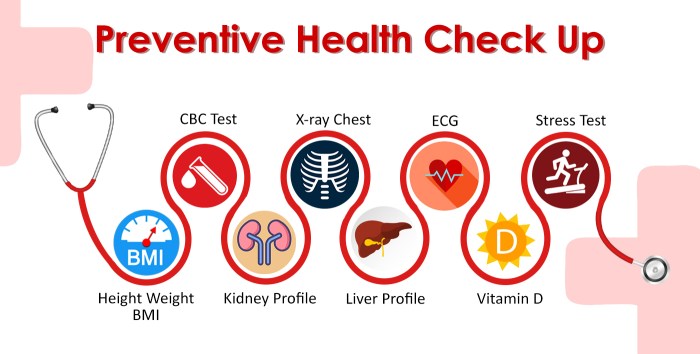
Regular Health Check-ups

Regular health check-ups are a vital component of preventive care, as they allow healthcare providers to detect potential health issues early on and implement necessary interventions. These check-ups may include screenings for conditions like high blood pressure, cholesterol levels, diabetes, and cancer.

By monitoring key health indicators regularly, individuals can address any concerns promptly and prevent serious health complications down the line.

Quality Sleep

How to use preventive care to reduce healthcare costs

Quality sleep plays a vital role in preventive care and reducing healthcare expenses. Getting enough restful sleep not only helps improve overall health but also boosts immunity, enhances cognitive function, and promotes emotional well-being.

Tips for Improving Sleep Quality and Quantity

  • Avoid caffeine, nicotine, and heavy meals close to bedtime.
  • Create a relaxing bedtime routine to signal your body that it’s time to wind down.
  • Keep your bedroom dark, quiet, and at a comfortable temperature.
  • Avoid screen time before bed and try to limit exposure to blue light from devices.
  • Establish a consistent sleep schedule by going to bed and waking up at the same time every day.

The Link Between Sleep and Overall Health

Quality sleep is essential for the body to repair and rejuvenate itself. Lack of proper sleep has been linked to various health issues such as obesity, heart disease, diabetes, and mental health disorders. Adequate rest allows the body to regulate hormones, repair tissues, and support overall well-being.

Cardio Health

Maintaining cardiovascular health is crucial in reducing healthcare costs as it helps prevent a wide range of heart-related diseases and conditions. By keeping your heart healthy, you can lower the risk of heart attacks, strokes, and other cardiovascular issues that may require expensive treatments and interventions.

Exercises for Heart Health

Regular aerobic exercises such as running, swimming, cycling, and brisk walking are great for promoting heart health. These exercises help strengthen the heart muscle, improve circulation, and lower blood pressure. Aim for at least 150 minutes of moderate-intensity aerobic activity per week to keep your heart in top shape.

Importance of Monitoring Heart Health

Regular check-ups and screenings are essential for monitoring and maintaining a healthy heart. Keep track of your blood pressure, cholesterol levels, and overall heart health to catch any potential issues early on. By staying proactive and taking care of your heart, you can prevent costly heart-related complications in the future.

Immune Boost

Boosting the immune system is crucial in reducing healthcare costs as a strong immune system can help prevent various illnesses and infections, ultimately leading to fewer doctor visits, medications, and hospitalizations.

Natural Ways to Strengthen the Immune System

  • A balanced diet rich in fruits, vegetables, whole grains, and lean proteins can provide essential nutrients to support immune function.
  • Regular exercise can help improve immune function and reduce the risk of chronic diseases.
  • Getting an adequate amount of quality sleep is essential for a healthy immune system.
  • Managing stress levels through activities like yoga, meditation, or deep breathing can also boost immunity.
  • Staying hydrated by drinking enough water throughout the day is important for overall health and immune function.

Impact of a Strong Immune System on Preventing Illnesses

A strong immune system plays a vital role in preventing illnesses by effectively fighting off pathogens such as bacteria, viruses, and other harmful substances. By boosting the immune system, the body can better defend itself against infections, reducing the likelihood of falling ill and requiring medical intervention.

Clean Eating

Eating clean refers to consuming whole, unprocessed foods in their most natural state. This approach to nutrition can have significant benefits when it comes to preventive care and reducing healthcare costs.Clean eating can help improve overall health by providing essential nutrients and reducing the intake of unhealthy fats, sugars, and chemicals found in processed foods.

By focusing on whole foods like fruits, vegetables, lean proteins, and whole grains, individuals can support their immune system, maintain a healthy weight, and reduce the risk of chronic diseases.

Benefits of Clean Eating

  • Improved Digestion: Whole foods are easier for the body to digest, leading to better nutrient absorption and a healthier gut.
  • Weight Management: Clean eating can support weight loss and maintenance by providing nutrient-dense foods that keep you full and satisfied.
  • Reduced Inflammation: Processed foods can contribute to inflammation in the body, while whole foods can help reduce inflammation and lower the risk of inflammatory conditions.
  • Enhanced Energy Levels: Nutrient-rich foods can provide sustained energy throughout the day, without the crashes associated with sugary or processed foods.

Examples of Clean Eating Habits

  • Choosing whole fruits and vegetables over canned or processed versions.
  • Opting for lean proteins like chicken, fish, and legumes instead of processed meats.
  • Selecting whole grains like quinoa, brown rice, and oats instead of refined grains like white bread and pasta.
  • Limiting added sugars and opting for natural sweeteners like honey or maple syrup.

Prevention of Chronic Diseases

Clean eating can play a crucial role in preventing chronic diseases such as heart disease, diabetes, and certain types of cancer. By fueling the body with nutrient-dense foods and avoiding processed ingredients, individuals can reduce their risk factors and promote long-term health and well-being.

Holistic Health

Holistic health is an approach to healthcare that considers the whole person

  • body, mind, spirit, and emotions
  • in the quest for optimal well-being. By addressing all aspects of an individual’s health, holistic health aims to promote balance and harmony, ultimately reducing healthcare costs by preventing illness and promoting overall wellness.

Holistic Practices for Overall Well-being, How to use preventive care to reduce healthcare costs

  • Yoga and meditation: These practices help reduce stress, improve mental clarity, and promote emotional well-being.
  • Acupuncture and acupressure: Traditional Chinese practices that can help alleviate pain and improve energy flow in the body.
  • Herbal medicine and aromatherapy: Natural remedies that can support physical health and enhance emotional balance.

Benefits of Integrating Holistic Health Approaches

  • Prevention of chronic diseases: By addressing underlying imbalances, holistic health practices can help prevent the development of chronic conditions.
  • Improved quality of life: Holistic practices promote overall well-being, leading to better physical, mental, and emotional health.
  • Cost-effective healthcare: By focusing on prevention and wellness, holistic health approaches can reduce the need for expensive medical treatments.

Mindful Living

Living mindfully plays a crucial role in preventive care and reducing healthcare costs. By being present in the moment and paying attention to our thoughts, feelings, and surroundings, we can better manage stress, improve our overall well-being, and prevent health issues before they escalate.

Techniques for Practicing Mindfulness

  • Start your day with a few minutes of deep breathing or meditation to set a positive tone.
  • Avoid multitasking and focus on one task at a time to enhance concentration.
  • Practice mindful eating by savoring each bite and paying attention to the flavors and textures.
  • Take short breaks throughout the day to check in with yourself and assess your mental and emotional state.

Impact of Mindfulness on Health

Mindfulness has been shown to reduce stress, anxiety, and depression levels, leading to improved mental health. It can also lower blood pressure, boost immune function, and promote better sleep patterns, thus positively impacting physical health.

Emotional Balance

Emotional balance plays a crucial role in reducing healthcare costs through preventive care. When individuals are emotionally balanced, they are better equipped to handle stress, anxiety, and other mental health issues, leading to a healthier overall lifestyle. This can result in fewer doctor visits, decreased reliance on medications, and a lower risk of developing chronic conditions.

Strategies for Achieving Emotional Balance and Resilience

  • Practice mindfulness and meditation to stay present and reduce stress levels.
  • Engage in regular physical activity to release endorphins and boost mood.
  • Seek support from friends, family, or a therapist to process emotions and build resilience.
  • Establish healthy boundaries to prevent emotional burnout and maintain balance in relationships.
  • Cultivate hobbies and interests that bring joy and fulfillment to your life.

Connection Between Emotions and Overall Well-being

Emotions have a profound impact on our physical health and well-being. Chronic stress, anxiety, or unresolved emotional issues can manifest in physical symptoms and contribute to the development of various health conditions. By addressing emotional imbalances and prioritizing mental wellness, individuals can enhance their overall quality of life and reduce the need for extensive medical interventions.

Health Education

Health education plays a crucial role in preventive care by empowering individuals with the knowledge and skills needed to make informed decisions about their health. By raising awareness about healthy lifestyle choices, disease prevention, and the importance of regular check-ups, health education can help individuals adopt proactive measures to maintain their well-being and prevent costly medical interventions.

Significance of Health Education

Health education equips individuals with the information they need to take charge of their health and well-being. By promoting preventive measures such as vaccinations, screenings, and healthy habits, health education can help reduce the incidence of diseases and minimize the need for expensive medical treatments.

Moreover, it empowers individuals to make informed decisions about their healthcare, leading to better health outcomes and lower healthcare costs in the long run.

Examples of Health Education Programs

  • The National Diabetes Prevention Program (NDPP) offers lifestyle change programs to prevent or delay the onset of type 2 diabetes through education on diet, exercise, and weight management.
  • The CDC’s Learn the Signs. Act Early. program provides resources and tools to educate parents and caregivers about early developmental milestones in children to promote early intervention and support.
  • The American Heart Association’s Heart360 program offers online tools and resources to educate individuals about cardiovascular health, risk factors, and preventive measures to reduce the incidence of heart disease.

Impact of Health Literacy

Health literacy, or the ability to understand and use health information to make informed decisions, is essential in the context of preventive care. Individuals with low health literacy may struggle to comprehend medical instructions, navigate the healthcare system, or advocate for their own health needs.

This can lead to misunderstandings, missed appointments, and ineffective self-care practices, ultimately impacting health outcomes and contributing to higher healthcare costs.

Self-Care

Self-care plays a crucial role in preventive care by empowering individuals to take charge of their own health and well-being. It involves practices and activities that promote physical, mental, and emotional wellness, ultimately leading to a healthier lifestyle and reduced healthcare costs.

Benefits of Self-Care

  • Regular self-care routines can help reduce stress levels, improve mental clarity, and boost overall mood.
  • Engaging in self-care activities like mindfulness meditation, yoga, or journaling can enhance emotional resilience and coping mechanisms.
  • Prioritizing self-care leads to better self-awareness, allowing individuals to recognize early signs of health issues and seek timely medical attention.
  • Healthy self-care practices such as proper nutrition, regular exercise, and quality sleep can prevent chronic diseases and reduce the need for extensive medical interventions.

Chronic Disease

Preventive care plays a crucial role in managing and preventing chronic diseases. By taking proactive measures to maintain overall health and well-being, individuals can significantly reduce the risk of developing chronic conditions. This not only leads to a better quality of life but also has a positive impact on healthcare costs and resources.

Benefits of Preventive Care for Chronic Disease Management

  • Regular health screenings can help in early detection of risk factors and conditions, allowing for timely intervention and treatment.
  • Maintaining a balanced diet and regular exercise routine can help in managing conditions such as diabetes, hypertension, and obesity.
  • Practicing stress management techniques and mindfulness can reduce the impact of chronic stress on the body, lowering the risk of heart disease and other related conditions.
  • Getting adequate sleep and staying hydrated are essential in supporting the immune system and overall health, reducing susceptibility to chronic illnesses.

Economic Impact of Preventive Care on Chronic Diseases

  • Preventive care measures are cost-effective in the long run, as they help in avoiding expensive medical treatments and hospitalizations associated with chronic diseases.
  • By focusing on prevention rather than treatment, healthcare resources can be allocated more efficiently, benefiting both individuals and the healthcare system as a whole.
  • Reducing the prevalence of chronic conditions through preventive care can lead to a healthier population, resulting in increased productivity and reduced burden on the economy.

Wrap-Up

In conclusion, incorporating preventive care measures into your daily routine can not only lead to a healthier lifestyle but also significantly reduce healthcare costs in the long run. By prioritizing your well-being through strategies like balanced diets, mental wellness practices, and regular exercise, you can take proactive steps towards a healthier future while saving on healthcare expenses.

Remember, a stitch in time saves nine, and investing in preventive care today can pave the way for a brighter and cost-effective tomorrow.

Q&A

How often should I schedule health check-ups for preventive care?

It is recommended to have annual check-ups to monitor your health status and detect any potential issues early on.

Can preventive care measures really help in reducing healthcare costs?

Absolutely. By focusing on preventive care strategies like maintaining a healthy lifestyle, you can lower the risk of developing chronic conditions, thus reducing healthcare expenses in the long term.

Is mental wellness as important as physical fitness in preventive care?

Yes, mental wellness plays a crucial role in overall health. Strategies like stress management and positive mindset maintenance are essential for preventive care and cost reduction.

How to use deep breathing exercises for stress relief – Mastering the Art of Relaxation

How to use deep breathing exercises for stress relief

How to use deep breathing exercises for stress relief sets the stage for this enthralling narrative, offering readers a glimpse into a story that is rich in detail with casual formal language style and brimming with originality from the outset.

Deep breathing is not just a simple act; it’s a powerful tool that can transform how we manage stress and enhance our overall well-being. By mastering the art of deep breathing, you can unlock a world of relaxation and inner peace that is always within reach.

Introduction to Deep Breathing Exercises for Stress Relief

Deep breathing exercises involve taking slow, deep breaths to help calm the mind and body. This technique is often used to reduce stress and promote relaxation.

When you practice deep breathing, you are activating the body’s relaxation response. This helps lower heart rate, reduce blood pressure, and decrease levels of the stress hormone cortisol. Deep breathing also increases oxygen flow to the brain, which can improve focus and concentration.

Benefits of Incorporating Deep Breathing into a Stress Relief Routine

  • Reduces anxiety and promotes a sense of calm
  • Improves emotional well-being and mood
  • Enhances sleep quality and helps with insomnia
  • Boosts immune function and overall health
  • Increases mindfulness and self-awareness

Techniques for Deep Breathing

How to use deep breathing exercises for stress relief

Deep breathing techniques are an effective way to reduce stress and promote relaxation. Here are some common techniques along with step-by-step instructions on how to practice them:

Diaphragmatic Breathing

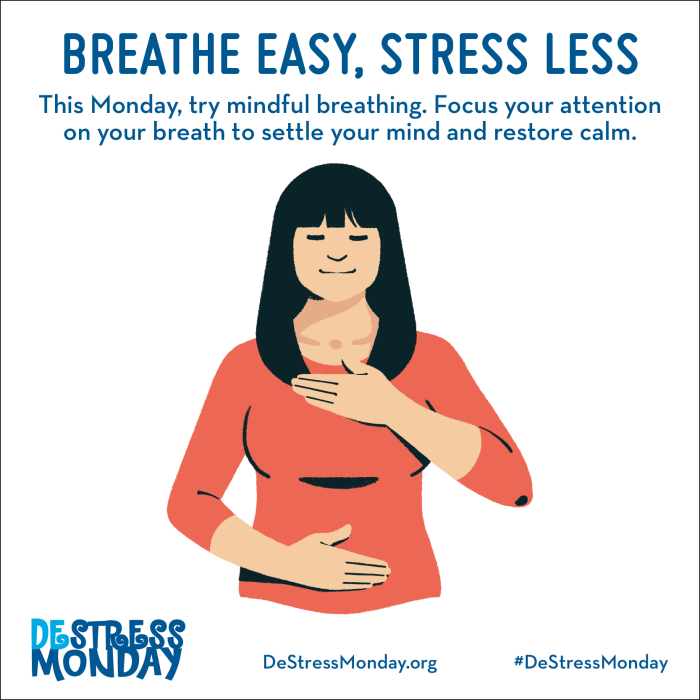
Diaphragmatic breathing, also known as belly breathing, involves engaging the diaphragm to take deep breaths. This technique is great for calming the nervous system and reducing anxiety.

  • Find a comfortable seated or lying position.
  • Place one hand on your chest and the other on your abdomen.
  • Inhale deeply through your nose, allowing your abdomen to expand as you fill your lungs with air.
  • Exhale slowly through your mouth, feeling your abdomen contract.
  • Repeat this process for several minutes, focusing on the rise and fall of your abdomen.

Box Breathing

Box breathing involves breathing in a pattern of equal counts for inhaling, holding the breath, exhaling, and holding the breath again. This technique can help reset the nervous system and improve focus.

  • Sit or lie down in a comfortable position.
  • Inhale deeply for a count of four.
  • Hold your breath for a count of four.
  • Exhale slowly for a count of four.
  • Hold your breath again for a count of four.
  • Repeat this cycle for several minutes, focusing on the rhythm of your breath.

4-7-8 Technique

The 4-7-8 technique involves breathing in for a count of four, holding the breath for a count of seven, and exhaling for a count of eight. This technique is excellent for inducing relaxation and reducing stress.

  • Sit in a comfortable position with your back straight.
  • Place the tip of your tongue against the ridge of tissue behind your upper front teeth.
  • Inhale quietly through your nose for a count of four.
  • Hold your breath for a count of seven.
  • Exhale audibly through your mouth for a count of eight, making a ‘whoosh’ sound.
  • Repeat this cycle for a few rounds, focusing on the calming effect of the breath.

Importance of Deep Breathing in Stress Management

Deep breathing plays a crucial role in stress management by helping to calm the mind and body, reduce tension, and promote relaxation. It is a simple yet effective technique that can be practiced anywhere, anytime to combat stress and improve overall well-being.

Connection Between Deep Breathing and Stress Management

Deep breathing exercises are known to activate the body’s relaxation response, which helps counteract the effects of stress and anxiety. By focusing on slow, deep breaths, individuals can reduce the activity of the sympathetic nervous system responsible for the “fight or flight” response, and instead activate the parasympathetic nervous system, which promotes relaxation and calmness.

Impact of Deep Breathing on Cortisol Levels and Overall Well-being, How to use deep breathing exercises for stress relief

Deep breathing has been found to lower cortisol levels, which is a hormone released in response to stress. High levels of cortisol can contribute to various health issues, including anxiety, depression, and sleep disturbances. By practicing deep breathing regularly, individuals can help reduce cortisol levels, improve mood, enhance sleep quality, and boost overall well-being.

Integrating Deep Breathing with Other Health Practices

Deep breathing exercises can be a powerful tool in promoting overall health and well-being. When combined with other health practices, such as maintaining a balanced diet, regular exercise, and mental wellness strategies, deep breathing can enhance the benefits of these practices.

Deep Breathing and Balanced Diet

Deep breathing complements a balanced diet by promoting better digestion and nutrient absorption. When we are stressed, our digestive system can be compromised, leading to issues like indigestion and bloating. Deep breathing exercises can help relax the body and mind, allowing for optimal digestion and absorption of nutrients from the food we eat.

Role of Deep Breathing in Mental Wellness and Emotional Balance

Deep breathing plays a crucial role in mental wellness and emotional balance. By practicing deep breathing, we can reduce stress levels, calm the mind, and improve focus and clarity. This can help in managing anxiety, depression, and other mental health conditions.

Deep breathing exercises can also promote emotional balance by allowing us to connect with our emotions and respond to them in a healthy way.

Tips for Incorporating Deep Breathing into a Regular Exercise Routine

  • Start by incorporating deep breathing exercises at the beginning and end of your workout sessions. This can help you relax before exercising and cool down after.
  • Combine deep breathing with yoga or Pilates exercises to enhance the mind-body connection and deepen the relaxation response.
  • Practice deep breathing while stretching to improve flexibility and reduce muscle tension.
  • Use deep breathing techniques during strength training to increase focus and improve performance.
  • Experiment with different deep breathing exercises to find what works best for you and integrate them into your routine accordingly.

Enhancing Deep Breathing with Healthy Lifestyle Choices

When it comes to managing stress and improving overall well-being, incorporating deep breathing exercises into a healthy lifestyle can amplify the benefits. Let’s explore how combining deep breathing with healthy choices like hydration, quality sleep, preventive care, and chronic disease management can enhance your overall health.

Benefits of Combining Deep Breathing with Adequate Hydration

Adequate hydration is essential for overall health, including stress management. When you practice deep breathing exercises, your body requires more oxygen, and staying properly hydrated ensures optimal oxygen delivery to your cells. This combination helps in promoting relaxation, reducing stress levels, and improving mental clarity.

Relationship Between Deep Breathing and Quality Sleep

Deep breathing can have a profound impact on the quality of your sleep. By incorporating deep breathing exercises into your bedtime routine, you can calm your mind, relax your body, and reduce the racing thoughts that often hinder sleep. This practice promotes better sleep quality, allowing you to wake up feeling refreshed and rejuvenated.

How Deep Breathing Supports Preventive Care and Chronic Disease Management

Deep breathing is not only beneficial for stress relief but also plays a critical role in preventive care and chronic disease management. Consistent deep breathing exercises can help lower blood pressure, reduce inflammation, and boost the immune system. By integrating deep breathing into your daily routine, you can support your overall health and well-being, reducing the risk of developing chronic conditions and managing existing health issues more effectively.

Maximizing the Benefits of Deep Breathing

Deep breathing not only helps in stress relief but also offers a wide range of benefits for both physical and mental well-being. Let’s explore how we can maximize these benefits through different strategies.

Connection between Deep Breathing and Physical Fitness

  • Deep breathing techniques can help improve lung capacity and overall respiratory function.
  • Increased oxygen flow through deep breathing can enhance endurance and performance during physical activities.
  • Regular practice of deep breathing can aid in relaxation, reducing muscle tension, and promoting quicker recovery after exercise.

Immune-Boosting Effects of Deep Breathing

  • Deep breathing helps in reducing stress hormones like cortisol, which can suppress the immune system.
  • By lowering stress levels, deep breathing can support the immune system’s ability to function optimally and defend against illnesses.
  • Improved oxygenation through deep breathing can enhance the body’s ability to fight off infections and maintain overall health.

Strategies for Maintaining a Positive Mindset

  • Practicing deep breathing can help in shifting focus from negative thoughts to the present moment, fostering a positive mindset.
  • Incorporating affirmations or positive visualizations during deep breathing exercises can further boost mood and outlook on life.
  • Deep breathing before challenging situations can help in calming nerves, promoting clarity of thought, and enhancing decision-making abilities.

Final Review

How to use deep breathing exercises for stress relief

As we conclude this exploration of deep breathing exercises for stress relief, remember that the path to a calmer, more balanced life is just a breath away. By incorporating these techniques into your daily routine, you can cultivate a sense of calm that will carry you through life’s inevitable ups and downs.

Take a deep breath, let go of tension, and embrace the serenity that deep breathing can bring into your life.

FAQs: How To Use Deep Breathing Exercises For Stress Relief

How often should I practice deep breathing exercises for stress relief?

You can practice deep breathing exercises for stress relief as often as needed throughout the day. It’s beneficial to incorporate short sessions into your daily routine to maintain a sense of calm and relaxation.

Can deep breathing exercises help with anxiety?

Absolutely, deep breathing exercises are known to be effective in managing anxiety. By focusing on your breath, you can calm your mind and body, reducing feelings of anxiety and promoting a sense of peace.

Is there a specific time of day when deep breathing exercises are most effective?

Deep breathing exercises can be beneficial at any time of the day. However, many people find practicing them in the morning or before bedtime particularly helpful in setting a positive tone for the day or aiding in relaxation for better sleep.

Should I combine deep breathing exercises with other relaxation techniques?

While deep breathing exercises can be powerful on their own, combining them with other relaxation techniques such as meditation or yoga can enhance the overall benefits and deepen your sense of relaxation and well-being.

Benefits of a Nutrient-Rich Diet for Overall Health: Key to Wellness

Benefits of a nutrient-rich diet for overall health

Benefits of a nutrient-rich diet for overall health are essential for achieving optimal wellness. Dive into the world of nutrition and discover how the food you eat impacts every aspect of your well-being.

From physical fitness to mental wellness, the benefits of a balanced diet rich in nutrients are far-reaching. Explore the connection between what you eat and how you feel, both physically and mentally.

Balanced Diet

Maintaining a balanced diet is crucial for overall health as it ensures that our bodies receive the necessary nutrients to function optimally. A balanced diet provides a combination of carbohydrates, proteins, fats, vitamins, and minerals in the right proportions.

Importance of a Balanced Diet

A balanced diet plays a significant role in preventing chronic diseases such as heart disease, diabetes, and obesity. By including a variety of nutrient-rich foods in our daily meals, we can support our immune system, improve digestion, and maintain a healthy weight.

Nutrient-Rich Foods to Include

  • Fruits and vegetables: rich in vitamins, minerals, and antioxidants that boost overall health.
  • Whole grains: provide fiber and essential nutrients for sustained energy levels.
  • Lean proteins: such as chicken, fish, tofu, and legumes, are vital for muscle growth and repair.
  • Dairy or dairy alternatives: a good source of calcium and vitamin D for strong bones and teeth.
  • Healthy fats: found in nuts, seeds, and avocados, are essential for brain function and heart health.

Impact on Preventing Chronic Diseases

Including a balanced diet in our daily routine can significantly reduce the risk of chronic diseases. For example, a diet rich in fruits and vegetables can lower blood pressure and reduce the risk of heart disease. Similarly, consuming whole grains can help regulate blood sugar levels and prevent the onset of diabetes.

Mental Wellness

Eating a diet rich in nutrients not only benefits physical health but also plays a crucial role in maintaining mental wellness. The food we consume directly impacts our brain function and overall mood.

Incorporating Brain-Boosting Foods

  • Include omega-3 fatty acids found in fatty fish like salmon, walnuts, and flaxseeds to support brain health.
  • Opt for whole grains like oats, quinoa, and brown rice to provide a steady supply of energy to the brain.
  • Incorporate berries such as blueberries, strawberries, and blackberries, which are packed with antioxidants that help protect the brain from oxidative stress.
  • Consume leafy greens like spinach, kale, and Swiss chard, rich in folate and vitamin K, essential for cognitive function.
  • Include nuts and seeds like almonds, pumpkin seeds, and sunflower seeds, which are excellent sources of vitamin E, crucial for maintaining brain health.

Link between Nutrition and Emotional Balance

Proper nutrition is closely linked to emotional balance as certain nutrients can impact the production of neurotransmitters responsible for regulating mood. For example, foods rich in tryptophan such as turkey, chicken, and tofu can boost serotonin levels, promoting feelings of happiness and well-being.

Additionally, consuming complex carbohydrates like whole grains and legumes can help stabilize blood sugar levels, preventing mood swings and promoting emotional stability.

Physical Fitness

Eating a diet rich in nutrients plays a crucial role in improving physical fitness. Nutrient-dense foods provide the necessary energy, vitamins, and minerals needed to fuel the body for exercise, enhance endurance, support muscle growth, and aid in recovery.

Enhancing Energy Levels

Consuming foods high in complex carbohydrates, such as whole grains, fruits, and vegetables, can provide a sustained source of energy for physical activity. Additionally, foods rich in healthy fats, like nuts, seeds, and avocados, can help improve stamina and endurance during workouts.

Supporting Muscle Growth and Recovery

Protein-rich foods, such as lean meats, poultry, fish, eggs, and legumes, are essential for supporting muscle growth, repair, and recovery. Adequate protein intake is crucial for building and maintaining muscle mass, especially after intense exercise. In addition, foods rich in antioxidants, like berries and leafy greens, can help reduce inflammation and promote faster recovery after workouts.

Adequate Hydration

Staying adequately hydrated is crucial for overall health as water plays a vital role in various bodily functions.

Importance of Hydration

Hydration is essential for regulating body temperature, aiding digestion, transporting nutrients, and maintaining overall bodily functions. Dehydration can lead to fatigue, headaches, and even more serious health issues.

Tips for Increasing Water Intake

  • Carry a reusable water bottle with you throughout the day to track your water consumption.
  • Infuse water with fruits or herbs to add flavor and make it more enjoyable to drink.
  • Set reminders or create a schedule to ensure you are consistently drinking water.
  • Eat water-rich foods such as fruits and vegetables to supplement your hydration.

Benefits of Hydration on Cognitive Function and Digestion

Hydration is crucial for maintaining cognitive function as even mild dehydration can lead to decreased focus, concentration, and alertness. Additionally, staying hydrated supports proper digestion by aiding in the breakdown of food and absorption of nutrients.

Regular Exercise

Regular exercise is essential for overall health and well-being, and when combined with a nutrient-rich diet, it can significantly enhance the benefits for optimal health. The synergy between exercise and proper nutrition plays a crucial role in achieving and maintaining a healthy lifestyle.

Let’s explore how a balanced diet complements regular exercise and contributes to overall well-being.

Pre-workout Nutrition

Before engaging in any physical activity, it is important to fuel your body with the right nutrients to optimize performance. Consuming a combination of carbohydrates and protein can provide the energy needed for a workout. Some examples of pre-workout snacks include a banana with almond butter, Greek yogurt with berries, or a whole grain toast with avocado.

Post-workout Nutrition

After a workout, the body requires nutrients to repair and replenish energy stores. Consuming a combination of protein and carbohydrates within 30 minutes to an hour post-exercise can help with muscle recovery and glycogen replenishment. Examples of post-workout meals include a protein smoothie with fruit, a turkey and vegetable wrap, or grilled chicken with quinoa and vegetables.

Weight Management

Regular exercise, paired with a nutrient-rich diet, is crucial for weight management. Exercise helps to burn calories, build muscle, and boost metabolism, while proper nutrition supports energy levels and overall health. By combining both aspects, individuals can achieve a healthy weight and improve their body composition effectively.

Healthy Lifestyle

Maintaining a healthy lifestyle goes beyond just eating well and staying active. It encompasses various factors that contribute to overall well-being and longevity. A key component of a healthy lifestyle is a balanced nutrient-rich diet that provides essential vitamins, minerals, and antioxidants to support the body’s functions and prevent diseases.

Components of a Healthy Lifestyle

  • Quality Sleep: Adequate rest is crucial for physical and mental health, helping to boost immunity, improve cognitive function, and regulate mood.
  • Stress Management: Managing stress through relaxation techniques, mindfulness, or hobbies is essential for overall well-being.
  • Social Connections: Building and maintaining relationships with friends and family can positively impact mental health and reduce feelings of isolation.
  • Mental Health Care: Seeking professional help when needed, practicing self-care, and fostering a positive mindset are vital for mental wellness.

Role of Nutrient-Rich Diet in Healthy Lifestyle

A nutrient-rich diet forms the foundation of a healthy lifestyle by providing the essential nutrients needed for optimal body function and disease prevention.

Consuming a variety of fruits, vegetables, whole grains, lean proteins, and healthy fats can help maintain a healthy weight, improve energy levels, and support overall health. By prioritizing nutrient-dense foods, individuals can better manage chronic conditions, boost immunity, and enhance longevity.

Tips for Sustainable Healthy Habits

  • Set Realistic Goals: Start small and gradually incorporate healthier habits into your daily routine to avoid burnout.
  • Stay Consistent: Consistency is key in maintaining healthy habits. Find activities you enjoy and make them a regular part of your lifestyle.
  • Practice Mindful Eating: Pay attention to hunger cues, savor your meals, and avoid distractions while eating to promote healthier food choices.
  • Stay Hydrated: Drink an adequate amount of water throughout the day to support digestion, metabolism, and overall well-being.

Nutrient-Rich

A nutrient-rich diet is one that provides the body with essential vitamins, minerals, antioxidants, and other nutrients necessary for optimal health and well-being. Consuming a variety of nutrient-dense foods ensures that the body receives the necessary components to function properly and maintain overall health.

Essential Nutrients in a Balanced Diet

An essential part of a balanced diet includes incorporating various nutrients that support overall health. Some of the essential nutrients that should be included in a balanced diet are:

  • Protein: Essential for building and repairing tissues in the body.
  • Carbohydrates: Provide energy for daily activities and brain function.
  • Fats: Necessary for hormone production and absorption of fat-soluble vitamins.
  • Vitamins: Help regulate bodily functions and support immunity.
  • Minerals: Play a crucial role in various bodily functions, such as bone health and nerve function.
  • Antioxidants: Protect cells from damage and reduce the risk of chronic diseases.

Impact of Micronutrients on Overall Health

Micronutrients, such as vitamins and minerals, play a vital role in maintaining overall health and well-being. These micronutrients are required in smaller quantities compared to macronutrients but are equally essential for various bodily functions.

For example, vitamin C is crucial for a healthy immune system, while calcium is essential for strong bones and teeth.

Deficiencies in micronutrients can lead to a range of health issues, including impaired immune function, poor bone health, and increased susceptibility to infections and diseases. Therefore, ensuring an adequate intake of micronutrients through a nutrient-rich diet is essential for overall health and well-being.

Stress Management

Nutrition plays a crucial role in managing stress levels in the body. A well-balanced diet can help regulate hormones and neurotransmitters that impact mood and stress response. Consuming nutrient-rich foods can provide the necessary nutrients to support the body during times of stress.Excessive stress can deplete the body of essential nutrients, making it important to replenish these through diet.

Foods rich in antioxidants, omega-3 fatty acids, magnesium, and vitamins B and C can help reduce stress and promote relaxation. Including these foods in your diet can have a positive impact on your overall well-being.

Foods to Reduce Stress and Promote Relaxation

  • Dark chocolate: Contains antioxidants that can help reduce stress hormones.
  • Fatty fish (such as salmon, mackerel, and sardines): Rich in omega-3 fatty acids that support brain health and reduce anxiety.
  • Leafy greens (such as spinach and kale): High in magnesium, which can help relax muscles and calm the nervous system.
  • Citrus fruits (such as oranges and lemons): Packed with vitamin C, which can lower cortisol levels and reduce stress.
  • Nuts and seeds (such as almonds, walnuts, and sunflower seeds): Provide healthy fats and vitamin B, which support brain function and mood regulation.

Importance of a Balanced Diet in Combating Stress Effects

A balanced diet is essential in combating the negative effects of stress on the body. When under stress, the body may crave unhealthy foods high in sugar and fats, which can further exacerbate stress levels. By maintaining a balanced diet rich in nutrients, you can better equip your body to handle stress and maintain overall well-being.

Preventive Care

Proper nutrition plays a crucial role in preventive healthcare by helping to maintain overall health and reduce the risk of various diseases.

Role of Nutrient-Rich Diet in Preventive Healthcare

A nutrient-rich diet can help prevent certain diseases by providing essential vitamins, minerals, and antioxidants that support the immune system and overall bodily functions. By consuming a variety of fruits, vegetables, whole grains, lean proteins, and healthy fats, individuals can strengthen their defense against illnesses.

Examples of Disease Prevention through Nutrition

  • Heart Disease: A diet low in saturated fats and high in fiber-rich foods can help lower cholesterol levels and reduce the risk of heart disease.
  • Diabetes: Maintaining a balanced diet with controlled sugar intake can prevent or manage diabetes by regulating blood sugar levels.
  • Osteoporosis: Adequate intake of calcium and vitamin D through foods like dairy products and leafy greens can help prevent bone loss and osteoporosis.
  • Cancer: Consuming a diet rich in antioxidants from fruits and vegetables can help protect cells from damage and reduce the risk of certain types of cancer.

Importance of Early Intervention through Diet

Early intervention through diet is crucial for disease prevention as it can help address nutritional deficiencies, maintain healthy body weight, and promote overall well-being. By adopting healthy eating habits early on, individuals can significantly reduce the chances of developing chronic conditions in the future.

Proper Nutrition

Proper nutrition goes beyond just eating food; it involves consuming the right balance of nutrients to support overall health and wellbeing. It focuses on providing the body with essential vitamins, minerals, protein, carbohydrates, fats, and hydration to function optimally.

Guidelines for Achieving Proper Nutrition

To achieve proper nutrition through a balanced diet, it is important to focus on incorporating a variety of foods from different food groups. Follow these guidelines:

  • Include a colorful variety of fruits and vegetables in your daily meals to ensure you are getting a range of vitamins and minerals.
  • Choose whole grains like brown rice, quinoa, and whole wheat bread over refined grains for fiber and sustained energy.
  • Incorporate lean protein sources such as poultry, fish, beans, and nuts to support muscle growth and repair.
  • Limit saturated fats and opt for healthy fats like those found in avocados, olive oil, and nuts.
  • Stay hydrated by drinking plenty of water throughout the day to support digestion and nutrient absorption.

Impact of Proper Nutrition on Overall Health Outcomes, Benefits of a nutrient-rich diet for overall health

Proper nutrition plays a crucial role in determining overall health outcomes. It can:

  • Boost the immune system, making you less susceptible to illnesses and infections.
  • Support healthy weight management by providing the body with the nutrients it needs without excess calories.
  • Improve energy levels and mental clarity, enhancing productivity and focus throughout the day.
  • Reduce the risk of chronic diseases like heart disease, diabetes, and certain types of cancer.
  • Promote overall well-being and longevity, allowing you to lead a fulfilling and active life.

Quality Sleep: Benefits Of A Nutrient-rich Diet For Overall Health

Maintaining a healthy diet is not only crucial for physical health but also plays a significant role in ensuring quality sleep. The foods we consume can directly impact our sleep patterns and overall well-being.Excessive consumption of caffeine, sugary foods, and heavy meals close to bedtime can disrupt sleep quality.

On the other hand, incorporating certain foods into our diet can promote better sleep.

Foods that can promote better sleep quality

  • Fatty fish like salmon, tuna, and mackerel are rich in omega-3 fatty acids, which can help improve sleep quality.
  • Almonds, walnuts, and pistachios are good sources of magnesium, a mineral that can promote relaxation and improve sleep.
  • Cherries contain melatonin, a hormone that regulates sleep-wake cycles, making them a great natural sleep aid.
  • Complex carbohydrates like whole grains and sweet potatoes can increase serotonin levels, promoting relaxation and better sleep.

Role of a nutrient-rich diet in regulating sleep patterns

A diet rich in nutrients like vitamins, minerals, and antioxidants can help regulate the body’s internal clock and promote healthy sleep patterns. Nutrients like magnesium, calcium, and zinc play a crucial role in promoting relaxation and improving sleep quality. Additionally, foods high in tryptophan, an amino acid that converts to serotonin and melatonin in the body, can also aid in better sleep.By maintaining a balanced and nutrient-rich diet, you can support your body’s natural sleep-wake cycles and improve the quality of your sleep, leading to better overall health and well-being.

Cardio Health

A nutrient-rich diet plays a crucial role in supporting cardiovascular health. By consuming foods that are rich in essential nutrients, individuals can help maintain a healthy heart and reduce the risk of heart disease.

Heart-Healthy Foods and Their Impact

Eating a diet that is high in fruits, vegetables, whole grains, lean proteins, and healthy fats can have a positive impact on heart health. These foods are rich in vitamins, minerals, antioxidants, and fiber, which can help lower cholesterol levels, reduce inflammation, and improve overall heart function.

Some examples of heart-healthy foods include:

  • Salmon: Rich in omega-3 fatty acids, which can help reduce the risk of heart disease.
  • Berries: Packed with antioxidants that can help protect the heart from damage.
  • Oats: High in soluble fiber, which can help lower cholesterol levels.
  • Leafy greens: Full of vitamins and minerals that support heart health.

Link Between Nutrition, Exercise, and a Healthy Heart

Nutrition and exercise go hand in hand when it comes to maintaining a healthy heart. A balanced diet provides the necessary nutrients to support heart function, while regular physical activity helps improve circulation, strengthen the heart muscle, and maintain a healthy weight.

By combining a nutrient-rich diet with regular exercise, individuals can significantly reduce their risk of cardiovascular diseases and promote overall heart health.

Immune Boost

Proper nutrition plays a crucial role in boosting the immune system, helping the body defend against infections and illnesses. A diet rich in essential nutrients can enhance immune function and promote overall health.

Immune-Boosting Foods

Include the following immune-boosting foods in your daily diet to strengthen your body’s defense mechanisms:

  • Citrus fruits like oranges, lemons, and grapefruits, rich in Vitamin C
  • Leafy greens such as spinach and kale, packed with Vitamin A, C, and E
  • Yogurt and other probiotic-rich foods to support gut health
  • Almonds, sunflower seeds, and other nuts for Vitamin E
  • Garlic, known for its immune-boosting properties

Vitamins and Minerals for Immune Health

Vitamins and minerals play a vital role in strengthening the immune response and supporting overall health:

  • Vitamin C: Helps stimulate the production of white blood cells, essential for fighting infections
  • Vitamin D: Supports immune function and helps regulate the body’s response to pathogens
  • Zinc: Important for immune cell development and function
  • Selenium: Acts as an antioxidant, protecting the immune system from damage

Positive Mindset

Eating a diet rich in nutrients not only benefits your physical health but also plays a crucial role in maintaining a positive mindset. The food you consume can significantly impact your brain health, cognitive function, mood, and overall mental well-being.

Foods for Brain Health

Consuming foods that are known to support brain health and cognitive function can help in promoting a positive mindset. Some examples of such foods include:

  • Fatty fish like salmon, which is rich in omega-3 fatty acids known to support brain function.
  • Blueberries, which are packed with antioxidants that may help improve brain health.
  • Broccoli, a great source of vitamin K, which is believed to enhance cognitive function.
  • Walnuts, known for their high levels of antioxidants, vitamins, and minerals that support brain health.

Impact of Nutrition on Mood

The impact of nutrition on mood and mental well-being is significant. A diet lacking essential nutrients can lead to mood swings, irritability, and even mental health disorders. On the other hand, a nutrient-rich diet can help stabilize mood, reduce stress, and promote overall mental wellness.

Ensuring that you consume a variety of nutrient-dense foods can positively influence your mood and contribute to a more positive mindset.

Clean Eating

Clean eating is a lifestyle focused on consuming whole, unprocessed foods that are as close to their natural state as possible. By avoiding processed foods and artificial additives, clean eating emphasizes the importance of nutrient-dense ingredients for overall health.

Transitioning to Clean Eating

  • Start by gradually eliminating processed foods from your diet and replacing them with whole foods such as fruits, vegetables, lean proteins, and whole grains.
  • Read food labels carefully to identify any hidden additives or preservatives, and opt for organic options whenever possible.
  • Plan your meals in advance to ensure you have nutritious options readily available, reducing the temptation to reach for unhealthy snacks.
  • Stay hydrated by drinking plenty of water throughout the day, and limit sugary beverages and excess caffeine.

Importance of Whole, Nutrient-Dense Foods

Eating whole, nutrient-dense foods provides essential vitamins, minerals, and antioxidants that support overall health and well-being. These foods are rich in fiber, which aids digestion and helps regulate blood sugar levels. By focusing on whole foods, you can reduce inflammation in the body and support a strong immune system.

Daily Activity

Regular physical activity is essential for maintaining overall health and well-being. Engaging in daily activity helps to improve cardiovascular health, build strength and endurance, boost mood, and reduce the risk of chronic diseases.

Importance of Physical Activity

Physical activity plays a crucial role in maintaining a healthy lifestyle. It not only helps in weight management but also strengthens muscles and bones, improves mental health, and enhances overall quality of life.

Nutrition and Energy Levels

Proper nutrition is vital for fueling daily activities and maintaining energy levels throughout the day. Consuming a balanced diet rich in carbohydrates, protein, healthy fats, vitamins, and minerals provides the necessary nutrients to support physical performance and endurance.

Examples of Energy-Boosting Snacks

  • Trail mix with nuts, seeds, and dried fruits
  • Greek yogurt with berries and honey
  • Whole grain crackers with hummus
  • Apple slices with almond butter
  • Cottage cheese with pineapple chunks

Holistic Health

Holistic health is a comprehensive approach to well-being that considers the interconnectedness of mind, body, and spirit. It emphasizes the importance of achieving balance in all aspects of life to promote optimal health and wellness.A nutrient-rich diet plays a crucial role in supporting holistic health by providing the essential vitamins, minerals, and nutrients needed for overall well-being.

When we nourish our bodies with healthy foods, we not only improve physical health but also support mental clarity and emotional balance.

Practices for Holistic Wellness

  • Practice mindfulness: Engaging in activities like meditation, yoga, or deep breathing exercises can help reduce stress, improve focus, and enhance overall well-being.
  • Stay active: Regular exercise is essential for maintaining physical health and promoting mental wellness. Aim for a combination of cardiovascular workouts, strength training, and flexibility exercises.
  • Cultivate healthy relationships: Surround yourself with supportive friends and family members who uplift and encourage you. Building strong social connections is vital for emotional well-being.
  • Get quality sleep: Prioritize sleep hygiene by establishing a consistent bedtime routine, creating a relaxing sleep environment, and aiming for 7-9 hours of restful sleep each night.
  • Embrace holistic therapies: Explore alternative healing practices such as acupuncture, massage therapy, or aromatherapy to support overall health and vitality.

Mindful Living

Incorporating mindfulness into our daily routines can have a profound impact on our overall well-being. This is especially true when it comes to our diet and health.

Role of Mindfulness in Relation to Diet and Overall Health

Practicing mindfulness can help us become more aware of our eating habits and make conscious food choices. By being present in the moment while eating, we can better listen to our body’s hunger and fullness cues, leading to a healthier relationship with food.

Mindfulness can also reduce stress and emotional eating, promoting better digestion and nutrient absorption.

Tips for Practicing Mindful Eating and Making Conscious Food Choices

  • Avoid distractions: Turn off screens and focus on your meal.
  • Eat slowly: Chew your food thoroughly and savor each bite.
  • Listen to your body: Pay attention to hunger and fullness signals.
  • Appreciate your food: Think about where it came from and how it nourishes your body.
  • Acknowledge your emotions: Notice how emotions can influence your eating habits.

Benefits of Incorporating Mindfulness into Daily Routines for Improved Well-being

  • Weight management: Mindful eating can help prevent overeating and promote a healthy weight.
  • Improved digestion: Being present while eating can aid in better digestion and nutrient absorption.
  • Reduced stress: Mindfulness practices can lower stress levels and improve overall mental well-being.
  • Enhanced satisfaction: By focusing on the eating experience, you can feel more satisfied with your meals.
  • Healthy relationship with food: Mindful eating can help break unhealthy eating patterns and foster a positive relationship with food.

Emotional Balance

Maintaining emotional balance is essential for overall mental well-being. Diet plays a crucial role in influencing our emotions and mood stability. Consuming nutrient-rich foods can greatly impact our emotional state and help manage stress effectively.

Foods to Support Emotional Well-being

  • Fatty fish like salmon, rich in omega-3 fatty acids, can help reduce feelings of anxiety and depression.
  • Leafy greens such as spinach and kale are high in magnesium, which can aid in relaxation and stress reduction.
  • Berries like blueberries and strawberries contain antioxidants that help combat oxidative stress and improve mood.
  • Probiotic-rich foods like yogurt and kefir can support gut health, which is connected to brain function and mood regulation.
  • Nuts and seeds, such as almonds and pumpkin seeds, are packed with nutrients like zinc and magnesium that can positively impact mood.

Importance of Nutrient-Rich Diet in Managing Mood

A diet rich in nutrients is vital for managing mood and emotions. Nutrients like omega-3 fatty acids, vitamins, minerals, and antioxidants play a key role in supporting brain health and neurotransmitter function. By consuming a variety of nutrient-dense foods, individuals can improve their emotional well-being and maintain a balanced mood.

Health Education

Health education plays a crucial role in promoting a nutrient-rich diet as it empowers individuals with knowledge about proper nutrition and its impact on overall health.

By educating people on the importance of consuming a variety of nutrient-dense foods, understanding portion sizes, and making informed food choices, health education can significantly contribute to improving dietary habits and promoting well-being.

Resources for Learning

  • Consulting registered dietitians or nutritionists for personalized guidance.
  • Reading reputable books and articles on nutrition and healthy eating.
  • Attending workshops, seminars, or webinars focused on nutrition education.
  • Utilizing online resources from trusted sources such as government health websites or professional organizations.

Role of Continuous Learning

Continuous learning is essential for maintaining a healthy lifestyle as it allows individuals to stay updated on the latest research, trends, and recommendations in nutrition and wellness.

By staying informed and continuously seeking knowledge, individuals can adapt their dietary habits to meet their changing needs and goals, leading to long-term health benefits and improved quality of life.

Self-Care

Benefits of a nutrient-rich diet for overall health

Self-care practices are essential for maintaining overall health and well-being. When combined with a nutrient-rich diet, self-care routines can be further enhanced to optimize physical, mental, and emotional wellness. By prioritizing self-care and incorporating healthy eating habits, individuals can experience a positive impact on their overall health.

Examples of Self-Care Routines Incorporating Healthy Eating Habits

  • Starting the day with a nutritious breakfast that includes fruits, whole grains, and protein to fuel the body and mind.
  • Meal prepping and planning ahead to ensure balanced and healthy meals throughout the week.
  • Including a variety of colorful fruits and vegetables in daily meals to provide essential vitamins and minerals.
  • Practicing mindful eating by savoring each bite, chewing slowly, and listening to hunger cues to promote digestion and satisfaction.
  • Staying hydrated by drinking an adequate amount of water and herbal teas to support overall health and well-being.

Impact of Self-Care on Overall Health and Well-Being

Self-care plays a crucial role in promoting overall health and well-being by helping individuals manage stress, improve mood, boost energy levels, and enhance resilience. When self-care practices are combined with a nutrient-rich diet, the benefits are amplified, leading to a stronger immune system, better digestion, improved cognitive function, and increased vitality.

Prioritizing self-care not only supports physical health but also nurtures mental and emotional wellness, creating a holistic approach to living a balanced and fulfilling life.

Chronic Disease

Nutrition plays a crucial role in both the prevention and management of chronic diseases. A diet rich in essential nutrients can significantly impact overall health and reduce the risk of developing various chronic conditions.

Prevention of Chronic Diseases through Proper Nutrition

Proper nutrition is essential for preventing chronic diseases such as heart disease, diabetes, and certain types of cancer. By maintaining a balanced diet that includes a variety of fruits, vegetables, whole grains, lean proteins, and healthy fats, individuals can reduce their risk of developing these conditions.

Specific nutrients like omega-3 fatty acids, antioxidants, and fiber have been linked to lower rates of chronic disease.

  • Consuming a diet rich in antioxidants, such as vitamin C and E, can help reduce inflammation in the body, lowering the risk of conditions like arthritis and heart disease.
  • Increasing fiber intake through whole grains, fruits, and vegetables can aid in maintaining healthy blood sugar levels and reducing the risk of type 2 diabetes.
  • Including omega-3 fatty acids from sources like fatty fish, flaxseeds, and walnuts can support heart health and lower the risk of cardiovascular diseases.

Managing Existing Chronic Conditions with Nutrient-Rich Diet

For individuals already living with chronic diseases, a nutrient-rich diet can play a vital role in managing their condition and improving overall well-being. Certain dietary strategies can help alleviate symptoms, control blood sugar levels, and reduce the progression of the disease.

  • Individuals with diabetes can benefit from a diet high in fiber and complex carbohydrates to regulate blood sugar levels and prevent complications.
  • Patients with heart disease can follow a heart-healthy diet rich in fruits, vegetables, whole grains, and lean proteins to improve cardiovascular health and reduce the risk of further complications.
  • Cancer patients may benefit from a diet high in antioxidants and phytochemicals to boost the immune system and support treatment outcomes.

Strategies for Reducing Risk of Chronic Diseases

In addition to managing chronic conditions, adopting healthy eating habits can help reduce the risk of developing chronic diseases in the first place. By making informed food choices and prioritizing nutrient-dense foods, individuals can support their overall health and well-being.

  • Focus on whole, minimally processed foods to ensure a wide range of essential nutrients in your diet.
  • Limit the intake of added sugars, saturated fats, and sodium, which can contribute to the development of chronic diseases.
  • Stay hydrated by drinking an adequate amount of water throughout the day to support overall bodily functions and maintain optimal health.

Final Review

In conclusion, embracing a diet full of nutrients is not just about fueling your body—it’s about nourishing your mind and soul. Start your journey towards better health today by making informed choices about the food you consume.

FAQs

How does a nutrient-rich diet impact mental wellness?

A nutrient-rich diet can positively affect mental wellness by providing essential vitamins and minerals that support brain function and emotional balance.

What are some examples of brain-boosting foods?

Foods like fatty fish, blueberries, and nuts are known to enhance cognitive function and support overall brain health.

Why is hydration important for overall health?

Staying hydrated is crucial for maintaining bodily functions, cognitive performance, and digestive health.

How does a nutrient-rich diet contribute to preventive care?

A nutrient-rich diet plays a key role in preventive healthcare by providing the necessary nutrients to boost the immune system and prevent certain diseases.

What is the connection between diet and quality sleep?

Diet can impact sleep quality, and consuming foods like kiwi, almonds, and turkey can promote better sleep patterns.

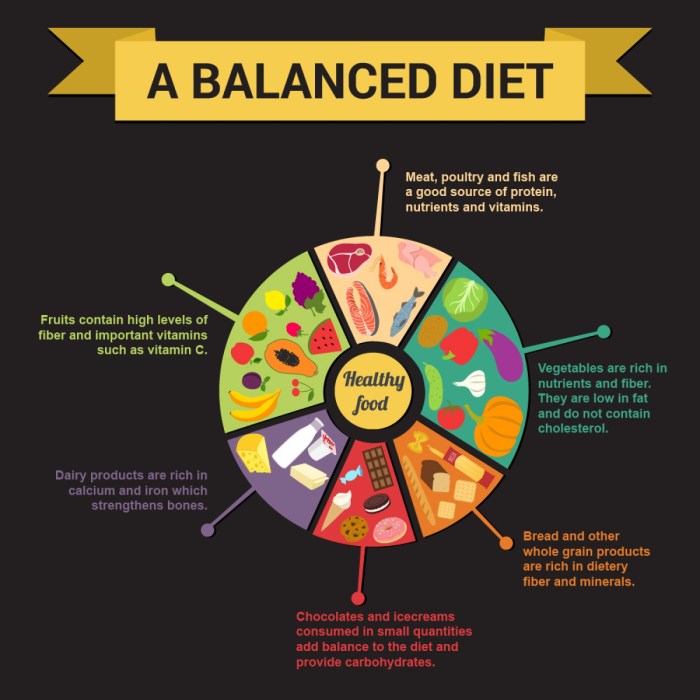
Benefits of regular exercise for bone density: Improving Bone Health Through Exercise

Benefits of regular exercise for bone density

Benefits of regular exercise for bone density is a crucial aspect of maintaining strong and healthy bones. As we delve into the connection between exercise and bone health, we uncover valuable insights that highlight the importance of physical activity in promoting optimal bone density.

Exploring various exercises and their impact on bone strength, this discussion aims to provide a comprehensive understanding of how regular exercise can significantly enhance bone density and overall well-being.

Balanced Diet

A balanced diet plays a crucial role in contributing to bone density. By providing essential nutrients, a balanced diet helps in maintaining strong and healthy bones, reducing the risk of fractures and osteoporosis.

Nutrient-rich Foods for Bone Health

Eating a variety of foods rich in calcium, vitamin D, magnesium, and other essential nutrients is key to supporting bone health. Some examples of nutrient-rich foods that promote strong bones include:

  • Dairy products such as milk, yogurt, and cheese
  • Leafy green vegetables like kale, spinach, and broccoli
  • Fatty fish such as salmon and sardines
  • Nuts and seeds like almonds, chia seeds, and sesame seeds
  • Fortified foods like tofu, orange juice, and cereals

Importance of Vitamins and Minerals

Vitamins and minerals are crucial for maintaining strong bones as they play a significant role in bone formation, remodeling, and mineralization. Some important vitamins and minerals for bone health include:

  • Calcium: Essential for building and maintaining bone mass
  • Vitamin D: Helps in the absorption of calcium and promotes bone growth
  • Magnesium: Supports bone density and strength
  • Vitamin K: Aids in bone mineralization and reduces fracture risk
  • Phosphorus: Important for bone formation and structure

Mental Wellness

Regular exercise not only benefits bone density but also plays a crucial role in mental wellness. The connection between mental health and bone density is intricate and often overlooked. Mental wellness impacts overall well-being, including bone health. Stress management, emotional balance, and mental health all influence bone density.

Impact of Stress Management on Bone Health

Stress is a common factor in modern lifestyles and can have a significant impact on bone health. High levels of stress lead to the release of cortisol, a hormone that can weaken bones over time. Chronic stress can contribute to bone loss and increase the risk of fractures.

Implementing stress management techniques such as meditation, yoga, or deep breathing exercises can help reduce the negative effects of stress on bone density.

Role of Emotional Balance in Maintaining Strong Bones

Emotional balance is essential for maintaining strong bones. Negative emotions such as anxiety, depression, and anger can impact bone health. Studies have shown that individuals with higher levels of emotional well-being tend to have better bone density compared to those experiencing emotional distress.

Engaging in activities that promote emotional balance, such as spending time with loved ones, pursuing hobbies, or seeking professional help when needed, can contribute to overall bone health.

Physical Fitness

Regular physical activity plays a crucial role in maintaining and improving bone density. When we engage in exercises that challenge our muscles and bones, it stimulates the production of new bone tissue, making them stronger and denser over time.

Examples of Beneficial Exercises

  • Weight-bearing exercises such as walking, jogging, dancing, and stair climbing are excellent for improving bone density. These activities require your bones to support your body weight, which helps in stimulating bone growth.
  • Strength training exercises using resistance bands, free weights, or body weight exercises like squats and lunges are also beneficial for bone health. They help in building muscle strength and promoting bone density.
  • Yoga and Pilates are great for improving balance, flexibility, and muscle strength, which indirectly contribute to better bone health.

Importance of Weight-Bearing Exercises

Weight-bearing exercises are particularly crucial for strengthening bones because they create micro-damage in the bones, which then triggers the process of bone remodeling. This remodeling involves the removal of old or damaged bone tissue and the formation of new bone tissue, resulting in stronger and denser bones over time.

Adequate Hydration

Hydration plays a crucial role in maintaining bone density and overall bone health. Water is essential for various bodily functions, including the formation and maintenance of strong and healthy bones.

Importance of Staying Hydrated

Staying hydrated is important for bone health as water helps transport essential nutrients like calcium and other minerals to the bones. Dehydration can lead to a decrease in bone density and increase the risk of fractures.

Role of Water in Bone Health

Water is a key component of the composition of bones, making up about 25% of bone tissue. It helps maintain the balance of minerals in the bones, which is necessary for their strength and structure. Adequate hydration also supports joint health and flexibility, further contributing to overall bone health.

Regular Exercise

Regular exercise plays a crucial role in maintaining and improving bone density. By engaging in physical activities on a consistent basis, individuals can experience several benefits that contribute to better bone health.

Benefits of Regular Exercise on Bone Density

Regular exercise helps stimulate the bones, making them stronger and denser over time. Weight-bearing exercises, such as walking, running, dancing, and weightlifting, are particularly effective in promoting bone strength. These activities put stress on the bones, prompting them to build more cells and become denser.

  • Weight-bearing exercises increase bone mineral density, reducing the risk of fractures and osteoporosis.
  • Resistance training, such as lifting weights, helps build muscle strength, which in turn supports the bones and reduces the risk of falls.
  • Balance exercises, like yoga and tai chi, can improve stability and coordination, reducing the likelihood of falls that could result in bone fractures.

Examples of Exercise Routines for Bone Strength

Incorporating a variety of exercises into your routine can help target different muscle groups and promote overall bone health. Some examples include:

  1. Walking or jogging for cardiovascular health and bone stimulation.
  2. Strength training with weights or resistance bands to build muscle and support bone structure.
  3. Pilates or yoga for flexibility, balance, and muscle strengthening.

Improving Bone Health through Consistency in Exercise

Consistency is key when it comes to reaping the benefits of exercise for bone density. Engaging in regular physical activity, ideally at least 150 minutes per week, can help maintain bone strength and prevent bone loss. By making exercise a part of your routine, you can significantly improve your overall bone health and reduce the risk of fractures and bone-related conditions.

Healthy Lifestyle

Adopting a healthy lifestyle is crucial for maintaining strong bone density and overall bone health. A combination of proper nutrition, regular exercise, and other healthy habits can significantly impact the strength and density of your bones.

Impact of Smoking and Alcohol Consumption

Smoking and excessive alcohol consumption can have detrimental effects on bone health. Nicotine from cigarettes can interfere with the absorption of calcium in the body, leading to weaker bones. Similarly, heavy alcohol consumption can disrupt the balance of hormones that are essential for bone formation, increasing the risk of fractures and osteoporosis.

Tips for Maintaining a Healthy Lifestyle

  • Aim for a balanced diet rich in calcium, vitamin D, and other nutrients essential for bone health.
  • Engage in weight-bearing exercises such as walking, jogging, or strength training to strengthen bones.
  • Avoid smoking and limit alcohol intake to support optimal bone density.
  • Ensure adequate sleep and manage stress levels, as chronic stress can negatively impact bone health.
  • Stay hydrated by drinking plenty of water throughout the day to support overall health and bone density.

Nutrient-Rich

Regular exercise is crucial for maintaining bone density, but it is equally important to consume a diet rich in nutrients that support bone health. Nutrient-rich foods provide the essential vitamins and minerals needed for strong and healthy bones.

Foods rich in calcium

  • Dairy products like milk, cheese, and yogurt
  • Leafy green vegetables such as kale and broccoli
  • Fortified foods like orange juice and tofu

Foods rich in vitamin D

  • Fatty fish like salmon and tuna
  • Egg yolks
  • Fortified foods like cereals and milk

Other bone-boosting nutrients

  • Phosphorus: found in meat, dairy, and whole grains
  • Magnesium: present in nuts, seeds, and whole grains
  • Vitamin K: abundant in leafy green vegetables and olive oil

Consuming a diet high in these nutrients can help prevent bone-related issues such as osteoporosis and fractures. By incorporating a variety of nutrient-rich foods into your meals, you can support overall bone health and strength.

Stress Management

Stress can have a significant impact on bone density. When under stress, the body releases cortisol, a hormone that can lead to bone loss over time. Chronic stress can disrupt the balance between bone formation and bone resorption, resulting in decreased bone density and an increased risk of fractures.

Effects of Stress on Bone Density

  • Chronic stress can lead to elevated levels of cortisol, which can inhibit bone formation and increase bone breakdown.
  • Stress-induced changes in hormones can affect the absorption of calcium and other minerals essential for bone health.
  • High levels of stress may lead to poor lifestyle choices like lack of exercise, unhealthy eating habits, and inadequate sleep, all of which can further contribute to bone density loss.

Techniques for Managing Stress to Improve Bone Health

  • Practice relaxation techniques such as deep breathing, meditation, or yoga to reduce stress levels.
  • Engage in regular physical activity, which can help lower cortisol levels and improve overall well-being.
  • Ensure an adequate amount of sleep each night to support the body’s stress recovery process.
  • Seek social support from friends, family, or a therapist to help manage stress effectively.

Connection between Stress Hormones and Bone Strength

  • High levels of cortisol can interfere with the production of osteoblasts, the cells responsible for bone formation, leading to decreased bone density.
  • Chronic stress can also increase inflammation in the body, which can further exacerbate bone loss and weaken bone structure.
  • Managing stress effectively can help maintain a healthy hormonal balance and support optimal bone health in the long run.

Preventive Care

Regular exercise plays a crucial role in maintaining bone density, but preventive care is equally important. Preventive measures can help protect bone health and reduce the risk of osteoporosis. Let’s delve into the significance of preventive care for bone density and explore the role of regular check-ups and screenings in this aspect.

Regular Check-ups and Screenings

Regular check-ups with healthcare providers can help monitor bone health and detect any early signs of bone density loss. Bone density screenings, such as DEXA scans, can assess the strength of your bones and identify potential issues before they escalate.

These screenings are especially important for individuals at higher risk of osteoporosis, such as postmenopausal women and older adults.

  • Regularly schedule bone density screenings as recommended by your healthcare provider.
  • Discuss any concerns or family history of osteoporosis with your doctor.
  • Follow up on any abnormal results from screenings and work with your healthcare team to develop a plan for bone health maintenance.

Proper Nutrition

Proper nutrition plays a crucial role in supporting bone density. A diet lacking in essential nutrients can have a significant impact on bone health, leading to conditions like osteoporosis. Incorporating bone-healthy foods into daily meals is essential to ensure strong and healthy bones.

Role of Calcium and Vitamin D

Calcium and vitamin D are key nutrients for bone health. Calcium is a major component of bone tissue, while vitamin D helps in the absorption of calcium. Including dairy products, leafy greens, nuts, and fortified foods in your diet can help meet the daily requirements of these nutrients.

Importance of Protein

Protein is essential for bone growth and repair. Including sources of lean protein like poultry, fish, beans, and legumes in your meals can support bone density and overall bone health.

Incorporating Magnesium and Vitamin K

Magnesium and vitamin K also play a role in bone metabolism and mineralization. Foods like nuts, seeds, whole grains, and leafy greens are rich sources of magnesium, while vitamin K can be found in green vegetables like broccoli and Brussels sprouts.

Limiting Sodium and Caffeine

High intake of sodium and caffeine can lead to calcium loss from the bones, affecting bone density. It is important to limit the consumption of processed foods, salty snacks, and caffeinated beverages to support optimal bone health.

Quality Sleep

Quality sleep plays a crucial role in maintaining optimal bone density and overall bone health. During sleep, the body goes through a process of repair and regeneration, which is essential for the maintenance of strong and healthy bones.

Importance of Quality Sleep for Bone Density

Getting enough quality sleep is important for bone density as it allows the body to repair and build new bone tissue. Lack of sleep can disrupt this process, leading to decreased bone density and an increased risk of fractures.

Effects of Sleep Patterns on Bone Regeneration

Disrupted sleep patterns, such as insomnia or poor sleep quality, can negatively impact bone regeneration. When the body does not get adequate rest, it may not be able to effectively repair and build new bone tissue, leading to weakened bones over time.

Tips for Improving Sleep Quality to Support Bone Health

  • Avoid caffeine and electronics before bedtime to improve sleep quality.
  • Establish a regular sleep schedule to help regulate your body’s internal clock.
  • Create a relaxing bedtime routine to signal to your body that it’s time to sleep.
  • Ensure your sleep environment is comfortable, dark, and quiet to promote restful sleep.
  • Stay physically active during the day to help regulate your sleep-wake cycle.

Cardio Health

Regular cardiovascular exercise plays a crucial role in maintaining and improving bone density. The connection between cardiovascular health and bone density lies in the fact that cardio exercises help in increasing blood circulation throughout the body, including the bones. This enhanced blood flow delivers essential nutrients and oxygen to the bones, supporting their growth and strength.

Benefits of Cardio Exercises for Bone Strength

  • Cardio workouts help in reducing the risk of osteoporosis by promoting bone mineral density.
  • They assist in improving balance and coordination, which can help prevent falls and fractures.
  • Cardiovascular activities stimulate the production of osteoblasts, the cells responsible for bone formation.
  • Regular cardio exercises contribute to overall bone health, making them less prone to degeneration and fractures.

Ideal Cardio Routines for Improving Bone Health

  • Brisk walking or jogging
  • Cycling
  • Swimming
  • Dancing
  • Aerobics or Zumba

Immune Boost

Regular exercise not only benefits bone density but also plays a crucial role in boosting the immune system. A strong immune system is essential for overall health and can have a positive impact on bone regeneration.

Importance of Immune Health for Bone Regeneration

Maintaining a healthy immune system is vital for supporting bone health as it helps in the prevention of infections and inflammation that can hinder the bone healing process. When the immune system is compromised, it can negatively affect the body’s ability to repair and build new bone tissue.

  • Regular physical activity can help enhance the immune response, reducing the risk of infections and promoting a faster recovery from injuries that may impact bone health.
  • Consuming a balanced diet rich in vitamins and minerals also supports immune function, which in turn aids in the maintenance of bone density.
  • Adequate hydration is essential for a properly functioning immune system, as water helps transport nutrients and oxygen to cells, including those involved in bone regeneration.
  • Managing stress levels through activities like exercise, meditation, or yoga can help reduce inflammation and support immune health, indirectly benefiting bone density.

Positive Mindset

Having a positive mindset can significantly impact bone density and overall bone health. Optimism and resilience play a crucial role in improving bone strength and reducing the risk of fractures. The connection between mental attitude and bone health is undeniable, as stress and negative emotions can have detrimental effects on bone density.

Influence of Positive Mindset on Bone Density

Maintaining a positive outlook can lead to lower levels of stress hormones in the body, which can prevent bone loss and promote bone formation. Studies have shown that individuals with a positive attitude tend to have higher bone density levels compared to those with a negative mindset.

Optimism and Resilience for Improved Bone Health

Optimistic individuals are more likely to engage in healthy behaviors such as regular exercise and balanced nutrition, which are essential for maintaining strong bones. Resilience helps individuals cope better with challenges and setbacks, preventing the negative impact of stress on bone health.

Connection Between Mental Attitude and Bone Strength

A positive mental attitude can enhance the body’s ability to absorb essential nutrients like calcium and vitamin D, which are crucial for bone health. Additionally, positive emotions can boost the immune system and reduce inflammation, supporting overall bone density and strength.

Clean Eating

Clean eating plays a crucial role in maintaining optimal bone density and overall bone health. By focusing on consuming whole, unprocessed foods, individuals can ensure they are providing their bodies with the necessary nutrients to support strong bones.

Benefits of Clean Eating for Bone Health

  • Whole, unprocessed foods are rich in essential nutrients like calcium, vitamin D, magnesium, and phosphorus, which are vital for bone health.
  • By avoiding processed foods high in added sugars, unhealthy fats, and sodium, individuals can reduce inflammation and promote bone density.
  • Clean eating can help maintain a healthy weight, reducing the risk of osteoporosis and fractures associated with obesity.

Examples of Clean Eating Habits for Strong Bones

  • Include plenty of leafy greens, dairy or non-dairy alternatives, nuts, seeds, and lean proteins in your diet to support bone strength.
  • Avoid sugary drinks, excessive caffeine, and processed snacks that can leach essential minerals from bones.
  • Opt for whole grains, fruits, and vegetables to ensure a well-rounded diet that promotes overall bone health.

Daily Activity

Regular physical activity plays a crucial role in maintaining and improving bone density. Incorporating daily movement into our routines can have significant benefits for bone health. On the other hand, a sedentary lifestyle can lead to negative impacts on our bones over time.

Importance of Daily Physical Activity

Engaging in daily physical activity helps stimulate bone growth and strength, leading to increased bone density. Weight-bearing exercises, such as walking, jogging, or strength training, are particularly effective in promoting bone health. By putting stress on the bones through regular movement, we can improve their density and reduce the risk of conditions like osteoporosis.

Tips for Incorporating Regular Movement

  • Take short walks during breaks at work or school
  • Use the stairs instead of the elevator
  • Join a fitness class or sports team
  • Set aside time for a daily workout routine
  • Incorporate stretching exercises into your morning or evening routine

Negative Impact of Sedentary Lifestyle

A sedentary lifestyle, characterized by long periods of sitting or inactivity, can have detrimental effects on bone health. Lack of movement can lead to decreased bone density, making bones weaker and more prone to fractures. It is essential to break up sedentary time with regular physical activity to maintain healthy bones and overall well-being.

Holistic Health

Regular exercise and a balanced diet are crucial for maintaining bone density, but a holistic approach to health goes beyond just physical fitness and proper nutrition. Holistic health considers the interconnectedness of physical, mental, and emotional well-being in relation to bone health.

By addressing all aspects of health, individuals can support overall bone health and reduce the risk of conditions like osteoporosis.

Holistic Practices for Bone Health

  • Yoga and Pilates: These practices promote flexibility, balance, and strength, which are essential for maintaining bone health and reducing the risk of fractures.
  • Meditation and Mindfulness: Stress can negatively impact bone density, so incorporating practices that promote relaxation and stress management can benefit overall bone health.
  • Acupuncture and Traditional Chinese Medicine: These holistic approaches can help improve circulation, reduce inflammation, and support bone health through a holistic lens.
  • Nutritional Supplements: In addition to a balanced diet, supplements like calcium, vitamin D, and magnesium can support bone density and overall health.
  • Nature Therapy: Spending time outdoors and connecting with nature has been shown to reduce stress, improve mood, and support holistic health, including bone health.

Mindful Living: Benefits Of Regular Exercise For Bone Density

Mindful living involves being fully present and aware of your thoughts, feelings, and surroundings in the present moment. In relation to bone density, mindfulness practices can play a significant role in promoting bone health by reducing stress levels, improving sleep quality, and enhancing overall well-being.

Benefits of Mindfulness for Bone Health

  • Mindfulness practices such as meditation and deep breathing exercises can help reduce stress hormones like cortisol, which can have a negative impact on bone density over time.
  • Improved sleep quality from mindfulness techniques can support the body’s natural repair processes, including bone regeneration and growth.
  • Being mindful of your body’s movements and posture during physical activities can help prevent injuries that may affect bone health in the long term.

Tips for Incorporating Mindfulness into Daily Life

  • Start your day with a short meditation or breathing exercise to set a positive tone for the day ahead.
  • Practice mindful eating by paying attention to the taste, texture, and sensation of each bite, which can promote healthy food choices and nutrient absorption for strong bones.
  • Take regular breaks throughout the day to check in with your thoughts and emotions, allowing yourself to process stress and tension that may impact bone health.

Emotional Balance

Maintaining emotional balance is crucial for overall well-being, including bone health. When it comes to bone density, emotional health plays a significant role in supporting strong bones.

Impact of Emotions on Bone Health

Emotions can impact bone health in various ways. Stress, anxiety, and depression can lead to an increase in cortisol levels, which in turn can contribute to bone loss. Chronic stress can also affect sleep patterns, leading to disruptions in the body’s ability to repair and build bone tissue.

On the other hand, positive emotions like happiness and contentment can have a protective effect on bone health by reducing the production of stress hormones.

Techniques for Maintaining Emotional Balance

  1. Practice mindfulness and meditation to reduce stress levels.
  2. Engage in regular physical activity, which can help release endorphins and improve mood.
  3. Build a strong support system of friends and family to share your feelings and experiences.
  4. Seek professional help if needed to address underlying emotional issues.
  5. Engage in activities you enjoy and that bring you joy and fulfillment.

Health Education

Benefits of regular exercise for bone density

Health education plays a crucial role in promoting bone density by raising awareness and providing knowledge on how to maintain bone health effectively.

The Role of Health Education in Promoting Bone Density

Health education empowers individuals to make informed decisions about their bone health. By educating people about the importance of regular exercise, balanced diet, and preventive care, health education encourages them to adopt healthy habits that can enhance bone density and overall bone strength.

Importance of Awareness and Knowledge in Maintaining Bone Health

  • Increasing awareness about the risk factors that can lead to bone density loss, such as sedentary lifestyle, poor nutrition, and lack of exercise.
  • Providing knowledge on the role of calcium, vitamin D, and other nutrients in supporting bone health and density.
  • Empowering individuals to take preventive measures, such as weight-bearing exercises and regular screenings, to preserve bone density as they age.

Resources for Learning More About Bone Health and Preventive Care

For reliable information on bone health and preventive care, individuals can consult reputable sources such as the National Osteoporosis Foundation, Mayo Clinic, and Centers for Disease Control and Prevention (CDC).

Self-Care

Taking care of oneself is crucial for overall well-being, including bone health. Self-care practices not only promote physical health but also contribute to mental and emotional wellness. By prioritizing self-care, individuals can improve their bone density and reduce the risk of osteoporosis.

Importance of Self-Care for Bone Density, Benefits of regular exercise for bone density

Self-care routines play a significant role in maintaining and improving bone density. Engaging in activities that promote relaxation, stress reduction, and overall wellness can have a positive impact on bone health. By incorporating self-care practices into daily life, individuals can support their bones and prevent bone-related issues.

Self-Care Routines for Bone Health

  • Regular exercise, including weight-bearing and resistance training, to strengthen bones and improve bone density.
  • Adequate sleep to support bone regeneration and repair processes.
  • Healthy eating habits that include calcium-rich foods and vitamin D for optimal bone health.
  • Stress management techniques such as mindfulness, meditation, and relaxation exercises to reduce cortisol levels that can affect bone density.
  • Self-care activities like massage therapy, yoga, and acupuncture that promote relaxation and overall well-being.

Improving Overall Well-Being through Self-Care

Prioritizing self-care can have a holistic impact on overall well-being, including bone health. By taking time to care for oneself physically, mentally, and emotionally, individuals can enhance their quality of life and reduce the risk of bone-related issues. Self-care is not only beneficial for bone density but also contributes to a healthier and happier lifestyle.

Chronic Disease

Chronic diseases can have a significant impact on bone density. Conditions such as osteoporosis, arthritis, diabetes, and kidney disease can directly affect bone health, leading to a decrease in bone density and an increased risk of fractures.

Relationship between Chronic Diseases and Bone Density

Chronic diseases like osteoporosis and arthritis can weaken bones over time, making them more prone to fractures. Conditions like diabetes and kidney disease can affect the body’s ability to absorb calcium and other essential nutrients needed for maintaining strong bones.

  • Individuals with chronic diseases may experience higher levels of inflammation in the body, which can further contribute to bone loss.
  • Some medications used to manage chronic conditions can also have negative effects on bone density.
  • Reduced physical activity due to pain or limitations caused by chronic diseases can lead to muscle weakness and decreased bone strength.

Managing Chronic Conditions for Better Bone Health

It is essential for individuals with chronic diseases to work closely with their healthcare providers to effectively manage their conditions and minimize the impact on bone health.

  • Follow a balanced diet rich in calcium and vitamin D to support bone strength.
  • Engage in weight-bearing exercises that are safe and appropriate for your condition to help maintain bone density.
  • Discuss with your healthcare team about the potential effects of medications on bone health and explore alternative options if necessary.
  • Aim to maintain a healthy weight to reduce excessive strain on the bones and joints.
  • Stay consistent with preventive screenings and check-ups to monitor bone density and address any concerns early on.

Epilogue

In conclusion, incorporating regular exercise into your routine not only benefits your bone density but also contributes to overall health and vitality. By making exercise a priority, you are taking proactive steps towards ensuring strong and resilient bones for years to come.

FAQ Guide

How often should I exercise to improve bone density?

Consistency is key. Aim for at least 150 minutes of moderate-intensity exercise per week, including weight-bearing activities.

Can certain exercises specifically target bone density improvement?

Yes, weight-bearing exercises like walking, running, and strength training have been shown to be particularly effective in enhancing bone density.

Is it necessary to consult a healthcare provider before starting an exercise regimen for bone health?

It’s always advisable to consult a healthcare provider, especially if you have existing health conditions or concerns.

The relationship between adequate hydration and kidney health: Understanding the crucial connection

The relationship between adequate hydration and kidney health

The relationship between adequate hydration and kidney health takes center stage in this discussion, shedding light on the vital link between staying hydrated and maintaining optimal kidney function. As we delve into the intricacies of this topic, we uncover how simple yet crucial it is to prioritize hydration for overall kidney health.

Throughout this exploration, we will uncover the significance of adequate hydration, the impact of dehydration on kidney health, the role of a balanced diet in supporting kidney function, the connection between physical fitness and hydration needs, and much more.

The Significance of Adequate Hydration for Kidney Health

Maintaining optimal kidney function is crucial for overall health, and adequate hydration plays a key role in supporting the kidneys. Dehydration can have detrimental effects on kidney health, impacting their ability to filter waste and maintain electrolyte balance. By staying well-hydrated, individuals can help prevent kidney stones, urinary tract infections, and other kidney-related issues.

Impact of Dehydration on Kidney Health

  • Dehydration can lead to a decrease in blood flow to the kidneys, affecting their ability to remove waste and toxins from the body.
  • Without enough fluids, the concentration of urine increases, which can contribute to the formation of kidney stones.
  • Chronic dehydration can increase the risk of urinary tract infections, as the body may not be able to flush out bacteria effectively.

Benefits of Staying Well-Hydrated

  • Proper hydration helps maintain blood volume and supports the kidneys in filtering waste and excess fluids.
  • Drinking an adequate amount of water can help prevent the formation of kidney stones by diluting urine and reducing the risk of crystallization.
  • Hydration plays a role in regulating body temperature and supporting overall bodily functions, including kidney health.

Hydration and Balanced Diet

Maintaining a balanced diet plays a crucial role in ensuring adequate hydration levels and promoting kidney health. The foods we consume not only provide essential nutrients but also contribute to our overall hydration status.

Hydrating Foods for Kidney Function

Eating foods with high water content can help support kidney function by assisting in the flushing out of toxins and waste products. Some examples of hydrating foods that are beneficial for kidney health include:

  • Cucumbers: With a water content of over 95%, cucumbers are not only refreshing but also help in keeping the body hydrated.
  • Watermelon: As the name suggests, watermelon is a hydrating fruit that also contains lycopene, a powerful antioxidant that supports kidney health.
  • Berries: Strawberries, blueberries, and raspberries are not only rich in antioxidants but also have high water content, making them great choices for hydration.
  • Citrus Fruits: Oranges, lemons, and grapefruits are excellent sources of vitamin C and water, promoting hydration and supporting kidney function.

Importance of Water-Rich Foods

Incorporating water-rich foods into your daily diet is essential for maintaining optimal hydration levels, which are crucial for kidney health. These foods not only provide hydration but also supply essential vitamins, minerals, and antioxidants that support overall well-being. By choosing water-rich foods, you can help prevent dehydration and promote proper kidney function, ultimately contributing to your overall health and wellness.

Physical Fitness and Kidney Health

The relationship between adequate hydration and kidney health

Regular physical activity is essential for overall health, including kidney health. Exercise impacts hydration levels and kidney function, making it crucial to understand how to maintain proper hydration during physical activity to support kidney health.

Relationship Between Physical Fitness and Hydration Needs, The relationship between adequate hydration and kidney health

Physical fitness increases the body’s demand for water, as sweat loss during exercise can lead to dehydration. The kidneys play a vital role in maintaining fluid balance, and adequate hydration is crucial to support their function. Dehydration can strain the kidneys and potentially lead to kidney stones or other complications.

Influence of Exercise on Hydration Levels and Kidney Function

During exercise, the body loses water through sweat to regulate body temperature. Dehydration can decrease blood flow to the kidneys, affecting their ability to filter waste and toxins effectively. Staying hydrated before, during, and after exercise is key to supporting optimal kidney function.

Tips for Maintaining Proper Hydration During Physical Activity

  • Drink water before, during, and after exercise to stay hydrated.
  • Monitor your urine color – pale yellow indicates adequate hydration.
  • Avoid sugary drinks and opt for water or electrolyte-rich beverages.
  • Consider your environment – increase fluid intake in hot or humid conditions.
  • Listen to your body’s thirst cues and drink accordingly.

Adequate Hydration and Mental Wellness

Staying adequately hydrated is not only essential for kidney health but also plays a crucial role in maintaining mental wellness. Dehydration can have a significant impact on cognitive function and overall mental health, highlighting the importance of proper hydration in supporting both our physical and mental well-being.

Connection between Hydration and Mental Wellbeing

Proper hydration is key to ensuring optimal brain function. Dehydration can lead to cognitive impairment, affecting concentration, alertness, and short-term memory. Inadequate hydration has been linked to mood swings, increased stress levels, and even anxiety and depression.

Impact of Dehydration on Cognitive Function

  • Dehydration can impair cognitive performance, leading to difficulties in decision-making and problem-solving.
  • Research has shown that even mild dehydration can negatively impact mood and cognitive abilities.
  • Proper hydration is crucial for maintaining focus, mental clarity, and overall brain function.

Strategies for Staying Hydrated for Mental Wellness and Kidney Health

  1. Carry a reusable water bottle with you throughout the day to remind yourself to drink water regularly.
  2. Set reminders on your phone or computer to take water breaks and hydrate yourself at regular intervals.
  3. Incorporate hydrating foods such as fruits and vegetables into your diet to increase your water intake.
  4. Avoid excessive consumption of caffeinated or sugary beverages, as they can contribute to dehydration.

Preventive Care

Adequate hydration is crucial in preventing chronic kidney diseases as it helps to maintain proper kidney function and prevent the build-up of toxins in the body. By staying well-hydrated, the kidneys are able to effectively filter waste and regulate fluid balance, reducing the risk of kidney damage and disease.

Role of Hydration in Preventive Care

  • Hydration supports optimal kidney function by aiding in the filtration of waste and toxins from the body.
  • Proper hydration helps to prevent the formation of kidney stones, a common kidney-related issue that can be painful and detrimental to overall kidney health.
  • By staying hydrated, individuals can reduce the risk of developing conditions like urinary tract infections, which can impact kidney function if left untreated.
  • Regular hydration plays a key role in maintaining blood pressure levels, which is important for kidney health as high blood pressure can contribute to kidney damage over time.

Quality Sleep and Hydration: The Relationship Between Adequate Hydration And Kidney Health

Proper hydration plays a crucial role in maintaining kidney health, even during sleep when our body goes through important processes to repair and rejuvenate. Let’s explore the relationship between quality sleep, hydration, and kidney health.

Impact of Proper Hydration Before Bedtime

Proper hydration before bedtime is essential for supporting kidney function during sleep. When we are well-hydrated, our kidneys can effectively filter waste and toxins from the body, maintaining the balance of fluids and electrolytes. Dehydration, on the other hand, can lead to concentrated urine, making it harder for the kidneys to function optimally during the night.

  • Drink water throughout the day to ensure you are adequately hydrated before bedtime.
  • Avoid excessive consumption of fluids close to bedtime to prevent frequent trips to the bathroom that may disrupt your sleep.
  • Consider a small glass of water if you feel thirsty before bed, but be mindful of your intake to avoid disturbances during the night.

Final Summary

In conclusion, the relationship between adequate hydration and kidney health underscores the importance of staying well-hydrated for optimal kidney function. By understanding this crucial connection, we can take proactive steps to prioritize hydration and support our overall kidney health in the long run.

FAQ

How does hydration impact kidney health?

Proper hydration is essential for maintaining optimal kidney function as it helps in flushing out toxins and waste products from the body.

What are some hydrating foods that support kidney function?

Foods like cucumbers, watermelon, and celery are excellent choices as they have high water content and can contribute to overall hydration levels.

Can dehydration affect mental wellness in relation to kidney health?

Yes, dehydration can impact cognitive function and overall mental health, emphasizing the importance of staying hydrated for both physical and mental well-being.

Benefits of group fitness classes for staying active: Enhancing Health Through Exercise

Benefits of group fitness classes for staying active

Starting with Benefits of group fitness classes for staying active, this paragraph aims to provide a captivating overview of how group fitness classes can improve overall health and well-being. By exploring various aspects such as balanced diet, mental wellness, physical fitness, and more, readers will gain valuable insights into the benefits of staying active through group workouts.

Readers will discover how group fitness classes not only promote physical fitness but also contribute to mental well-being and holistic health. With a focus on the importance of regular exercise, proper nutrition, and self-care, this topic highlights the positive impact of group workouts on staying active and maintaining a healthy lifestyle.

Balanced Diet

Having a balanced diet is crucial when participating in group fitness classes as it provides the necessary nutrients to fuel your body and optimize performance.

Importance of Nutrient-Rich Foods

Eating a variety of nutrient-rich foods is essential for supporting an active lifestyle. Foods rich in carbohydrates, proteins, healthy fats, vitamins, and minerals can help replenish energy stores, repair muscles, and enhance overall health.

  • Carbohydrates: Whole grains, fruits, and vegetables provide a sustainable source of energy for workouts.
  • Proteins: Lean meats, eggs, nuts, and legumes support muscle repair and growth.
  • Healthy Fats: Avocados, olive oil, and fatty fish are important for brain function and overall health.
  • Vitamins and Minerals: Leafy greens, berries, and nuts are packed with essential vitamins and minerals that support immune function and overall well-being.

Role of Balanced Diet in Physical Performance

A balanced diet plays a key role in improving physical performance during group fitness sessions by ensuring that your body has the necessary nutrients to perform at its best. Proper nutrition can enhance endurance, strength, and recovery, allowing you to push through challenging workouts and see better results.

Mental Wellness

Regular participation in group fitness classes not only benefits physical health but also plays a crucial role in improving mental wellness. The positive impact on mental health is often underestimated, but the benefits are significant and can contribute to overall well-being.

Techniques for Emotional Balance

In group fitness classes, instructors often incorporate techniques that promote emotional balance, such as mindfulness exercises, deep breathing techniques, and guided relaxation at the end of the session. These practices help participants focus on the present moment, reduce stress, and improve emotional regulation.

Impact on Stress Management

Group exercise has been shown to be effective in reducing stress levels by releasing endorphins, the body’s natural stress relievers. The social aspect of group fitness classes also provides a sense of community and support, which can help individuals cope with stress more effectively.

Additionally, the structured nature of group workouts can act as a form of stress management by providing a routine and a sense of accomplishment after completing a workout.

Overall Mental Health

Engaging in group fitness classes on a regular basis can have a positive impact on overall mental health. The combination of physical activity, social interaction, and stress-relieving techniques can help reduce symptoms of anxiety, depression, and other mental health conditions.

Group exercise fosters a supportive environment where individuals can challenge themselves, build confidence, and improve their mental well-being.

Physical Fitness: Benefits Of Group Fitness Classes For Staying Active

Group fitness classes play a significant role in enhancing physical fitness levels by offering a variety of workouts that cater to different aspects of fitness. These classes provide a motivating environment, expert guidance, and a sense of community that can help individuals stay committed to their fitness goals.

Effectiveness of Group Workouts vs. Individual Workouts

Group workouts have shown to be more effective in improving fitness levels compared to individual workouts. The group setting provides accountability, social support, and friendly competition, which can push individuals to work harder and achieve better results.

Examples of Group Fitness Activities

Here are some examples of group fitness activities that target different aspects of physical fitness:

  • High-Intensity Interval Training (HIIT):HIIT classes combine short bursts of intense exercise with periods of rest or lower intensity. This type of workout improves cardiovascular fitness, endurance, and calorie burn.
  • Strength Training:Group strength training classes focus on building muscle strength, improving overall body composition, and enhancing bone density. These classes typically use weights, resistance bands, or bodyweight exercises.
  • Yoga:Yoga classes offer a combination of flexibility, balance, and strength training through various poses and breathing techniques. This helps improve posture, reduce stress, and increase overall body awareness.
  • Dance Fitness:Dance fitness classes like Zumba or hip-hop cardio are fun and energetic workouts that improve coordination, cardiovascular fitness, and agility. These classes are great for those who enjoy dancing and want to spice up their workout routine.

Adequate Hydration

Staying hydrated is crucial for optimal performance during group fitness classes. Proper hydration before, during, and after workouts can significantly impact exercise outcomes and overall well-being.

Benefits of Adequate Hydration

  • Improved Exercise Performance: Adequate hydration helps maintain electrolyte balance, regulate body temperature, and optimize muscle function, leading to enhanced performance and endurance.
  • Enhanced Recovery: Proper hydration supports the body’s ability to repair muscles, reduce soreness, and recover faster after intense physical activity.
  • Increased Energy Levels: Dehydration can cause fatigue and diminish energy levels during workouts, while staying hydrated ensures sustained energy and focus throughout the session.

Tips for Maintaining Optimal Hydration Levels

  • Drink Water Regularly: Sip water throughout the day to stay hydrated, not just during workouts. Aim to consume at least 8-10 glasses of water daily.
  • Monitor Urine Color: Check the color of your urine to gauge hydration levels. Clear or pale yellow urine indicates proper hydration, while dark yellow urine may signal dehydration.
  • Consider Electrolyte Drinks: For intense or prolonged exercise, consider hydrating with electrolyte-rich beverages to replenish sodium, potassium, and other minerals lost through sweat.
  • Pre-hydrate and Rehydrate: Drink water before and after workouts to prepare your body for exercise and aid in recovery. Remember to continue hydrating post-workout to replace fluids lost during sweating.

Regular Exercise

Regular exercise is essential for maintaining overall health and well-being. Group fitness classes play a crucial role in promoting regular exercise habits by providing a structured and motivating environment for individuals to engage in physical activity.Attending group workouts on a consistent basis has numerous advantages for overall health.

Not only does it help improve cardiovascular fitness, strength, and flexibility, but it also boosts mood, relieves stress, and enhances social connections. Consistency in attending group exercise sessions can lead to long-term health benefits and a higher likelihood of sticking to a fitness routine.

Incorporating Group Exercise into a Weekly Routine

Incorporating group exercise into a weekly routine can be a great way to ensure regular physical activity. Here are some strategies to help you make group workouts a regular part of your week:

  • Plan Ahead: Schedule your group fitness classes in advance and treat them like any other important appointment.
  • Find Classes You Enjoy: Choose group workouts that you find fun and engaging to increase your motivation to attend regularly.
  • Mix It Up: Incorporate a variety of group exercise classes into your weekly routine to keep things interesting and prevent boredom.
  • Accountability Partner: Partnering up with a friend or family member to attend group workouts together can help you stay accountable and motivated.
  • Set Realistic Goals: Set achievable fitness goals for yourself and track your progress to stay motivated and committed to your regular exercise routine.

Healthy Lifestyle

Participating in group fitness classes is a key component of maintaining a healthy lifestyle. These classes offer a variety of benefits that contribute to overall well-being and can motivate individuals to make healthier choices in their daily lives.Group exercise provides a social and supportive environment that encourages individuals to stay committed to their fitness goals.

The sense of community and camaraderie fostered in group workouts can inspire individuals to prioritize their health and make positive lifestyle changes. Additionally, the structured nature of group fitness classes helps individuals stay accountable and motivated to show up and participate regularly.Furthermore, group exercise classes often incorporate a holistic approach to health and wellness.

In addition to physical fitness, these classes may also focus on aspects such as mental wellness, stress management, and nutrition. By addressing various components of health in a single workout session, group fitness classes help individuals develop a well-rounded approach to their overall well-being.

Holistic Approach to Health and Wellness

Group workouts often incorporate elements of mindfulness, meditation, and relaxation techniques to promote mental wellness alongside physical fitness. This holistic approach to health encourages individuals to prioritize self-care and develop a balanced lifestyle that supports both their physical and mental well-being.

By engaging in group fitness classes that emphasize a comprehensive approach to health, individuals can cultivate healthy habits that extend beyond the gym and into their daily lives.

Nutrient-Rich

Benefits of group fitness classes for staying active

Consuming a diet rich in essential nutrients is crucial when engaging in group fitness classes. Nutrient-dense foods provide the necessary fuel to support your energy levels during workouts, aiding in overall performance and endurance.

Examples of Nutrient-Dense Foods

  • Leafy greens such as spinach, kale, and Swiss chard are packed with vitamins and minerals like iron and magnesium, which help in muscle function and recovery.
  • Lean proteins like chicken, turkey, and tofu provide amino acids necessary for muscle repair and growth.
  • Complex carbohydrates such as quinoa, sweet potatoes, and whole grains offer sustained energy for longer workout sessions.
  • Fruits like berries, bananas, and oranges are rich in antioxidants that combat oxidative stress and inflammation post-exercise.

Role of Nutrient-Rich Foods in Muscle Recovery

Nutrient-rich foods play a vital role in muscle recovery by providing essential nutrients that repair damaged muscle tissues after intense workouts. Proteins aid in rebuilding muscle fibers, while carbohydrates replenish glycogen stores for energy. Additionally, foods rich in antioxidants help reduce inflammation and oxidative stress, promoting faster recovery and overall fitness progress.

Stress Management

Group fitness classes play a significant role in stress management by providing a holistic approach to physical and mental well-being. The supportive environment, engaging workouts, and expert guidance can help individuals effectively reduce stress levels and improve overall health.

Impact of Group Fitness on Stress Reduction

Participating in group fitness classes can have a profound impact on stress reduction. The combination of physical activity, social interaction, and motivational support can help individuals cope with daily stressors and improve their mental well-being.

  • Group workouts offer a sense of community and belonging, reducing feelings of isolation and anxiety.
  • The release of endorphins during exercise can elevate mood and reduce stress levels.
  • Structured workout routines provide a distraction from stressors and promote mindfulness.

Techniques in Group Workouts for Stress Management

Group fitness classes often incorporate techniques that specifically target stress management and relaxation.

  • Deep breathing exercises and guided meditation help participants calm their minds and reduce tension.
  • Yoga and Pilates movements focus on flexibility, strength, and mindfulness, promoting relaxation and stress relief.
  • High-intensity interval training (HIIT) can act as a powerful stress-buster by releasing pent-up energy and boosting endorphins.

Connection Between Physical Activity and Stress Relief

Regular physical activity has been proven to be closely linked to stress relief and overall mental well-being.

  • Exercise triggers the release of neurotransmitters like endorphins, which act as natural painkillers and mood elevators.
  • Physical activity can improve sleep quality, reduce anxiety, and enhance resilience to stress.
  • Engaging in group workouts fosters a sense of accountability and motivation, making it easier to stick to a consistent exercise routine for long-term stress management.

Preventive Care

Regularly participating in group fitness classes can significantly contribute to preventive healthcare by promoting overall well-being and reducing the risk of chronic diseases. Exercise plays a crucial role in maintaining a healthy lifestyle and preventing various health issues. By integrating preventive care measures into group workout routines, individuals can proactively take charge of their health and reduce the likelihood of developing serious conditions.

Role of Exercise in Preventing Chronic Diseases, Benefits of group fitness classes for staying active

Regular physical activity, such as engaging in group fitness classes, has been shown to reduce the risk of chronic diseases such as heart disease, diabetes, and obesity. Exercise helps improve cardiovascular health, regulate blood sugar levels, and manage weight, all of which are key factors in preventing these conditions.

By staying active through group workouts, individuals can proactively protect themselves against the onset of chronic diseases.

Preventive Care Measures in Group Workout Routines

  • Include a variety of exercises targeting different muscle groups to improve overall strength and flexibility.
  • Incorporate cardiovascular activities like running, cycling, or dancing to enhance heart health and endurance.
  • Focus on proper form and technique to prevent injuries during workouts.
  • Encourage hydration before, during, and after exercise to support optimal performance and recovery.
  • Promote a supportive and motivating environment within the group to boost mental well-being and reduce stress.

Proper Nutrition

Proper nutrition plays a crucial role in supporting an active lifestyle, especially when engaging in group fitness classes. Eating a balanced diet provides the necessary fuel for the body to perform optimally during workouts and aids in post-exercise recovery.

Pre-Workout Nutrition Strategies

  • Consuming a light meal or snack rich in carbohydrates and protein about 1-2 hours before the workout can provide sustained energy levels.
  • Hydrating adequately before the session is essential to prevent dehydration during the workout.
  • Avoiding heavy, greasy foods that may cause discomfort during physical activity is recommended.

Post-Workout Nutrition Strategies

  • Replenishing glycogen stores by consuming a mix of carbohydrates and protein within 30 minutes after the workout can aid in muscle recovery.
  • Including nutrient-rich foods like fruits, vegetables, lean proteins, and whole grains in post-workout meals supports overall recovery and muscle repair.
  • Hydrating with water or electrolyte-rich beverages helps in restoring fluid balance lost during exercise.

Link Between Proper Nutrition and Exercise Performance

Proper nutrition directly impacts exercise performance by providing the necessary nutrients for energy production, muscle repair, and overall recovery. Consuming a well-balanced diet ensures that the body is adequately fueled for physical activity, leading to improved endurance, strength, and overall performance in group fitness classes.

Quality Sleep

Participating in group fitness classes can significantly improve the quality of your sleep. Regular physical activity has been linked to better sleep patterns and overall sleep quality.

Relationship Between Physical Activity and Better Sleep Patterns

  • Physical activity helps reduce the time it takes to fall asleep, as well as the number of awakenings during the night.
  • Exercise can promote deeper, more restorative sleep, allowing you to feel more refreshed and energized in the morning.
  • Regular workouts can also help regulate your body’s internal clock, promoting a consistent sleep schedule.

Establishing a Sleep Routine that Complements Group Workout Schedules

  • Try to schedule your group fitness classes earlier in the day to avoid vigorous exercise close to bedtime, which can interfere with sleep.
  • Wind down after your evening workout with relaxation techniques such as deep breathing or gentle stretching to prepare your body for rest.
  • Create a calming bedtime routine, such as reading or taking a warm bath, to signal to your body that it’s time to sleep.

Cardio Health

Regular participation in group fitness classes offers numerous benefits for cardiovascular health. These classes typically include a variety of cardio exercises that can help improve heart health, increase endurance, and enhance overall fitness levels.

Impact of Cardiovascular Exercises in Group Workouts

  • Cardiovascular exercises such as running, cycling, and dancing elevate the heart rate, improving circulation and strengthening the heart muscle.
  • Group workouts often incorporate interval training, which has been shown to be particularly effective in boosting cardiovascular fitness and burning calories.
  • Engaging in group fitness classes can help lower blood pressure, reduce the risk of heart disease, and improve overall heart function.

Improving Heart Health through Group Fitness Activities

  • Regular participation in group fitness classes can lead to better cardiovascular endurance, allowing individuals to engage in physical activities for longer periods without feeling fatigued.
  • Cardio exercises in group workouts help to increase oxygen flow throughout the body, improving energy levels and promoting overall well-being.
  • By consistently attending group fitness classes that focus on cardio health, individuals can reduce the risk of developing cardiovascular issues and maintain a healthy heart.

Immune Boost

Regular participation in group fitness classes can have a positive impact on your immune system. Exercise is known to boost immunity by promoting good circulation, which allows immune cells to move freely throughout the body and do their job effectively.

Additionally, physical activity can help reduce inflammation and support overall immune function.

Benefits of Group Fitness Classes for Immune Health

  • Group fitness classes provide a structured and supportive environment for regular exercise, which can help strengthen the immune system over time.
  • Working out in a group setting can reduce feelings of stress and anxiety, which are known to suppress the immune system.
  • Group workouts often incorporate a variety of exercises that target different muscle groups, leading to a more well-rounded fitness routine that can benefit overall health, including immune function.

Tips for Maintaining Immune Health in Group Workouts

  • Stay hydrated before, during, and after your group fitness class to support your immune system.
  • Make sure to get enough rest and quality sleep to allow your body to recover and repair, which is essential for a strong immune system.
  • Focus on consuming a balanced diet rich in nutrients to provide your body with the essential vitamins and minerals needed for optimal immune function.
  • Practice good hygiene, such as washing your hands regularly and wiping down equipment before and after use, to reduce the risk of infections in a group setting.

Positive Mindset

Regular participation in group fitness classes can have a significant impact on cultivating a positive mindset. The combination of physical activity, social interaction, and motivational atmosphere in group workouts can contribute to improved mental well-being.

Mental Benefits of Group Exercise

  • Group exercise fosters a sense of community and belonging, which can boost self-esteem and confidence.
  • Working out with others provides social support and encouragement, reducing feelings of isolation and enhancing mood.
  • Group fitness classes often incorporate positive affirmations and motivational cues from instructors, reinforcing a positive mindset during workouts.

Clean Eating

When it comes to participating in group fitness classes, clean eating plays a crucial role in supporting overall health and fitness goals. Clean eating involves consuming whole, minimally processed foods that are rich in nutrients and free from additives, preservatives, and artificial ingredients.

By fueling your body with clean, nutritious foods, you can optimize your performance during group workouts and enhance your recovery post-exercise.

Examples of Clean Eating Habits

  • Include a variety of fruits and vegetables in your daily meals to ensure you get a range of vitamins, minerals, and antioxidants.
  • Choose lean sources of protein such as poultry, fish, tofu, and legumes to support muscle repair and growth.
  • Opt for whole grains like quinoa, brown rice, and oats to provide sustained energy for your workouts.
  • Avoid sugary beverages and processed snacks, opting instead for water, herbal tea, nuts, seeds, and homemade energy bars.

Impact of Clean Eating on Health and Fitness Goals

Clean eating can have a significant impact on your overall health and fitness goals. By nourishing your body with nutrient-dense foods, you can improve your energy levels, enhance your immune function, and support healthy weight management. Additionally, consuming clean foods can help reduce inflammation, promote faster recovery from workouts, and optimize your body composition.

Ultimately, clean eating is a cornerstone of a healthy lifestyle that complements the benefits of participating in group fitness classes.

Daily Activity

Regular physical activity is essential for maintaining overall health and well-being, especially when combined with attending group fitness classes. Daily activity plays a crucial role in enhancing the benefits gained from structured workout sessions. It helps in improving cardiovascular health, boosting metabolism, increasing energy levels, and promoting better mental clarity.

Benefits of Daily Activity

  • Enhances overall fitness level and endurance.
  • Helps in weight management and promotes fat loss.
  • Improves mood and reduces stress levels.
  • Boosts immune system and reduces the risk of chronic diseases.

Tips for Staying Active Daily

  • Schedule regular walks or jogs in the morning or evening.
  • Take the stairs instead of the elevator whenever possible.
  • Engage in active hobbies like dancing, swimming, or cycling.
  • Set reminders to move every hour if you have a sedentary job.
  • Include stretching exercises or yoga in your daily routine.

Holistic Health

Group fitness classes play a significant role in promoting holistic health and wellness by addressing the interconnectedness of physical, mental, and emotional well-being. These classes not only focus on improving physical fitness but also emphasize mental clarity, emotional balance, and overall well-being.

Benefits of Group Fitness for Holistic Health

  • Group fitness classes provide a supportive environment that promotes social interaction, reducing feelings of isolation and improving mental well-being.
  • These classes often incorporate mindfulness and stress-reducing techniques, enhancing emotional health and promoting relaxation.
  • Physical workouts in a group setting can boost motivation, accountability, and self-confidence, leading to a positive mindset and improved overall wellness.
  • Group exercises can help individuals develop a sense of community and belonging, which is essential for emotional well-being and mental health.
  • By engaging in group fitness activities, individuals can experience a holistic approach to health that considers the interconnectedness of mind, body, and spirit.

Mindful Living

Group fitness classes play a significant role in promoting mindful living by incorporating mindfulness techniques into workout sessions. Practicing mindfulness during these classes can offer numerous benefits for overall well-being.

Mindfulness Techniques in Group Exercise

  • Deep Breathing Exercises: Group fitness classes often start with deep breathing exercises to help participants center themselves and focus on the present moment.
  • Body Awareness: Instructors guide participants to pay attention to their body movements, sensations, and alignment during exercises, fostering a deeper connection between mind and body.
  • Mindful Movement: Emphasizing slow, controlled movements allows individuals to be fully present and engage more effectively in the workout, enhancing the mind-body connection.

Benefits of Mindfulness in Workouts

  • Reduced Stress: Mindfulness techniques can help reduce stress levels during workouts, promoting relaxation and improving overall mood.
  • Improved Focus: By practicing mindfulness, individuals can enhance their focus and concentration, leading to a more effective and efficient workout session.
  • Enhanced Mind-Body Connection: Being mindful during exercise enhances the connection between the mind and body, resulting in better coordination and control.
  • Increased Awareness: Mindful living encourages individuals to be more aware of their thoughts, emotions, and physical sensations, promoting self-awareness and personal growth.

Emotional Balance

Regular participation in group fitness classes can have a significant impact on achieving emotional balance. These classes not only provide physical benefits but also play a crucial role in regulating emotions and reducing anxiety levels.

Role of Group Fitness Classes

  • Group exercise fosters a sense of community and belonging, which can help individuals feel supported and less isolated.
  • Working out in a group setting can boost motivation and accountability, leading to a more consistent exercise routine.
  • Physical activity releases endorphins, also known as “feel-good” hormones, which can improve mood and reduce stress.

Strategies for Maintaining Emotional Balance

  • Attend group fitness classes regularly to establish a routine and make exercise a priority in your life.
  • Engage with fellow participants and instructors to build connections and create a supportive environment.
  • Practice mindfulness techniques during workouts, focusing on the present moment to alleviate worries and calm the mind.
  • Set realistic goals and celebrate small achievements to boost self-esteem and enhance emotional well-being.

Health Education

Health education plays a crucial role in the context of group fitness classes as it provides participants with valuable knowledge and information to make informed decisions about their well-being. Group workouts serve as an excellent platform for sharing health-related information, promoting healthy habits, and fostering a sense of community around wellness.

Importance of Health Education in Group Fitness Classes

  • Understanding the importance of proper form and technique during exercises to prevent injuries.
  • Learning about the benefits of different types of workouts, such as cardio, strength training, and flexibility exercises.
  • Exploring the connection between nutrition, hydration, and physical activity for overall health and fitness.
  • Gaining knowledge about the impact of lifestyle choices on well-being, including stress management and sleep quality.

Examples of Health Education Topics Covered in Group Fitness Settings

  • Workshop on the role of macronutrients and micronutrients in supporting exercise performance and recovery.
  • Seminar on the importance of rest and recovery days in preventing burnout and promoting muscle growth.
  • Discussion on the benefits of mindfulness practices, such as meditation and deep breathing, for mental health and emotional balance.
  • Presentation on the relationship between physical fitness and chronic disease prevention, such as heart disease and diabetes.

Self-Care

Self-care is an essential aspect of maintaining overall well-being, and participating in group fitness classes can greatly contribute to promoting self-care. These classes not only focus on physical health but also encourage individuals to prioritize their mental and emotional well-being.

Benefits of Self-Care Practices in Group Fitness Classes

  • During group workout sessions, self-care practices such as mindfulness and stress management techniques are often incorporated to help participants relax and focus on the present moment.
  • Group fitness classes provide a supportive and encouraging environment where individuals can connect with others, fostering a sense of community and belonging that is vital for mental health.
  • Regularly attending these classes can serve as a form of self-care by allowing individuals to set aside dedicated time for themselves, away from the demands of daily life.

Tips for Incorporating Self-Care into an Active Lifestyle

  • Make self-care a priority by scheduling regular group fitness classes or solo workouts that help you unwind and recharge.
  • Practice mindfulness during exercise by focusing on your breath and movements, allowing yourself to let go of stress and anxiety.
  • Engage in activities that bring you joy and relaxation outside of workouts, whether it’s reading a book, taking a bath, or spending time in nature.
  • Listen to your body and prioritize rest when needed, ensuring you give yourself time to recover and rejuvenate.

Chronic Disease

Benefits of group fitness classes for staying active

Regular participation in group fitness classes plays a crucial role in managing and preventing chronic diseases. These classes offer a supportive environment that encourages individuals to stay active, which is essential for overall health and well-being.Exercise in a group setting can benefit individuals with chronic health conditions in various ways.

Firstly, group fitness classes provide a sense of community and motivation, making it easier for individuals to adhere to a regular exercise routine. Additionally, group classes are often led by certified instructors who can tailor the workouts to accommodate different fitness levels and health needs, ensuring a safe and effective workout for all participants.

Examples of Group Fitness Programs for Chronic Diseases

  • Aquatic exercise classes for individuals with arthritis or joint pain, as the water provides a low-impact environment that reduces stress on the joints.
  • Cardiovascular training classes for individuals with heart disease, focusing on improving cardiovascular fitness and overall heart health.
  • Strength training programs for individuals with osteoporosis, aiming to increase bone density and reduce the risk of fractures.
  • Yoga and mindfulness classes for individuals with chronic stress or anxiety, promoting relaxation and emotional balance.

Conclusion

In conclusion, the benefits of group fitness classes for staying active go beyond physical health, encompassing mental wellness, stress management, and preventive care. By incorporating these classes into a weekly routine and adopting a holistic approach to health, individuals can enhance their overall well-being and quality of life.

Embracing the positive mindset and emotional balance cultivated in group workouts, participants can achieve a healthier lifestyle through consistent exercise and mindful living.

FAQ Guide

How does a balanced diet complement group fitness classes?

A balanced diet provides essential nutrients for energy and performance during group workouts, enhancing the overall effectiveness of the exercise regimen.

What are some examples of nutrient-rich foods ideal for supporting an active lifestyle?

Foods like lean proteins, whole grains, fruits, and vegetables are excellent choices to maintain energy levels and promote recovery post-workout.

How can group fitness classes help in stress management?

Group workouts offer a supportive environment and stress-relief techniques that aid in managing stress levels and improving overall mental health.

Why is proper hydration crucial before, during, and after group fitness classes?

Staying hydrated is essential for performance, recovery, and maintaining optimal energy levels throughout the workout session.

What role do group fitness classes play in promoting regular exercise habits?

Group workouts provide structure, accountability, and motivation, encouraging individuals to maintain consistent exercise routines for long-term health benefits.