
Diving into How to practice self-compassion for a positive mindset, this introduction immerses readers in a unique and compelling narrative, with a casual formal language style that is both engaging and thought-provoking from the very first sentence.
Exploring the various techniques and benefits of self-compassion, this topic sheds light on the transformative power of cultivating a positive mindset through compassionate practices.
Self-Compassion Practices
Practicing self-compassion is essential for cultivating a positive mindset and promoting mental wellness. It involves treating yourself with kindness, understanding, and acceptance, especially in challenging or difficult situations.
Self-Compassion Techniques
There are several techniques that can help you embrace self-compassion and develop a positive outlook:
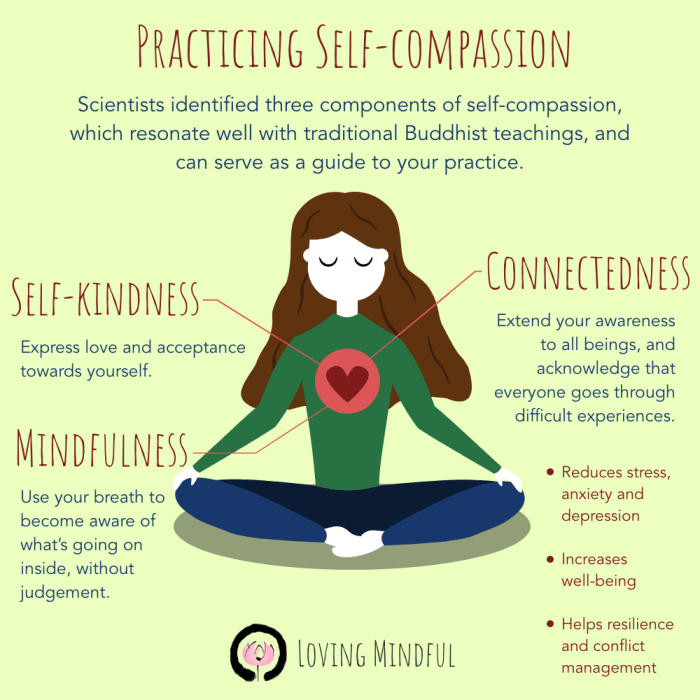
- Self-Kindness: Treat yourself as you would treat a close friend experiencing a setback. Offer words of encouragement and support.
- Common Humanity: Remember that everyone faces struggles and challenges. You are not alone in your experiences.
- Mindfulness: Be present in the moment and observe your thoughts and feelings without judgment. This can help you respond to yourself with compassion.
Self-Compassion Exercises
Engaging in specific exercises can also help you build self-compassion and improve your emotional well-being:
- Writing a Self-Compassion Letter: Take the time to write a letter to yourself, expressing understanding, forgiveness, and kindness towards your own struggles.
- Self-Compassion Break: When faced with stress or self-criticism, pause and acknowledge your feelings. Offer yourself words of comfort and reassurance.
- Body Scan Meditation: Practice a body scan meditation to connect with your body and cultivate a sense of compassion towards yourself.
Importance of Self-Compassion
Self-compassion plays a crucial role in maintaining emotional balance and overall well-being. By treating yourself with kindness and understanding, you can reduce self-criticism, boost self-esteem, and foster resilience in the face of challenges.
Holistic Health Approach
Self-compassion plays a crucial role in promoting a healthy lifestyle by nurturing a positive mindset and reducing negative self-talk. This approach emphasizes the importance of treating oneself with kindness, understanding, and acceptance, which can have profound effects on overall well-being.
Connection between Self-Compassion and Stress Management
Practicing self-compassion can significantly reduce stress levels by helping individuals develop a more compassionate and forgiving attitude towards themselves. When faced with challenging situations, self-compassion allows individuals to respond with kindness and understanding, rather than harsh self-criticism. This approach can help lower cortisol levels, improve emotional regulation, and enhance resilience in the face of stressors.
Role of Self-Compassion in Preventive Care and Chronic Disease Management, How to practice self-compassion for a positive mindset
Self-compassion is essential in preventive care as it encourages individuals to prioritize self-care and make healthier choices. By fostering self-compassion, individuals are more likely to engage in behaviors that promote physical and mental well-being, such as regular exercise, balanced nutrition, and adequate rest.
Additionally, self-compassion can play a vital role in managing chronic diseases by reducing the negative impact of stress and improving overall quality of life for individuals dealing with long-term health conditions.
Physical Well-Being
Self-compassion plays a crucial role in enhancing physical well-being by promoting a positive mindset that can lead to improved physical fitness and regular exercise habits. When individuals practice self-compassion, they are more likely to engage in activities that benefit their overall health and well-being.
Impact on Cardio Health and Immune System
Self-compassion has been linked to improvements in cardio health and a boost to the immune system. Research has shown that individuals who practice self-compassion tend to have lower levels of stress, which can reduce the risk of heart disease and other cardiovascular issues.
Additionally, self-compassion can strengthen the immune system by reducing inflammation and promoting overall wellness.
- Self-compassion can lower cortisol levels, which are known to contribute to heart disease.
- Regularly practicing self-compassion can lead to better heart health and improved immune function.
- Individuals with higher levels of self-compassion may experience faster recovery times from illnesses or injuries.
Improving Overall Well-Being through Daily Activity
Embracing self-compassion can also improve overall well-being through daily activities. By treating oneself with kindness and understanding, individuals are more likely to engage in healthy behaviors that support their physical health. This can include making better food choices, getting an adequate amount of sleep, and prioritizing regular exercise.
- Self-compassion can motivate individuals to engage in physical activities that bring them joy and promote well-being.
- By practicing self-compassion, individuals are more likely to listen to their bodies and provide the care and rest they need.
- Self-compassion can lead to a more balanced approach to fitness, focusing on overall health and wellness rather than strict goals or unrealistic expectations.
Nutrition and Hydration: How To Practice Self-compassion For A Positive Mindset
When it comes to self-compassion and maintaining a positive mindset, nutrition and hydration play a crucial role in overall well-being. A balanced diet and adequate hydration are essential components of self-care practices that can significantly impact our mental and emotional health.
The Relationship Between Self-Compassion and a Balanced Diet
A balanced diet is not only important for physical health but also for mental well-being. Consuming nutrient-rich foods can help regulate mood, reduce stress, and improve cognitive function. When we practice self-compassion, we are more likely to make healthier food choices and nourish our bodies with the nutrients they need to function optimally.
The Importance of Adequate Hydration in Self-Care Practices
Staying hydrated is essential for maintaining overall health and well-being. Dehydration can lead to fatigue, poor concentration, and mood swings, impacting our ability to cope with stress and negative emotions. By prioritizing adequate hydration as part of our self-care routine, we can support our body’s functions and promote a positive mindset.
Tips on Incorporating Nutrient-Rich Foods for a Positive Mindset
- Aim to include a variety of fruits, vegetables, whole grains, lean proteins, and healthy fats in your meals to ensure you are getting a wide range of nutrients.
- Limit processed foods, sugary snacks, and excessive caffeine intake, as these can negatively affect your mood and energy levels.
- Stay mindful of your eating habits, practice intuitive eating, and listen to your body’s hunger and fullness cues to foster a healthy relationship with food.
- Stay hydrated throughout the day by drinking an adequate amount of water, herbal teas, or infused water to support your body’s hydration needs.
Quality Sleep and Mental Wellness
Self-compassion plays a crucial role in promoting quality sleep and improving mental wellness. By cultivating self-kindness and understanding towards oneself, individuals can reduce stress and anxiety levels, leading to better sleep patterns and overall mental health.
The Connection between Self-Compassion and Proper Nutrition
Proper nutrition is essential for a healthy mind, and self-compassion can enhance the relationship individuals have with food. By practicing self-compassion, individuals can make more mindful choices about what they eat, leading to a balanced diet that supports mental well-being.
The Role of Self-Compassion in Relaxation Techniques
Self-compassion is a powerful tool in maintaining a positive mindset through relaxation techniques. By being kind to oneself and practicing self-care, individuals can reduce feelings of stress and overwhelm, promoting a sense of calm and relaxation that contributes to overall mental wellness.
End of Discussion
As we conclude our discussion on practicing self-compassion for a positive mindset, it is evident that embracing self-kindness and understanding plays a crucial role in enhancing overall well-being and mental wellness.
Q&A
How can self-compassion improve mental wellness?
Self-compassion can improve mental wellness by fostering self-acceptance, reducing self-criticism, and enhancing emotional resilience.
What is the connection between self-compassion and stress management?
Self-compassion can help individuals cope with stress more effectively by promoting self-soothing techniques and reducing negative self-talk.
How does self-compassion contribute to a healthy lifestyle?
Self-compassion contributes to a healthy lifestyle by nurturing a positive self-image, promoting self-care practices, and reducing the impact of negative thoughts on overall well-being.