Delving into Importance of emotional balance for mental well-being, this introduction immerses readers in a unique and compelling narrative, with casual formal language style that is both engaging and thought-provoking from the very first sentence.
Exploring the intricate connection between emotional balance and mental well-being opens up a world of understanding and self-discovery. As we navigate through the complexities of our emotions, we uncover the profound impact they have on our overall mental health and wellness.
This journey towards equilibrium is not just about finding stability, but also about nurturing our inner peace and resilience in the face of life’s challenges.
Importance of Emotional Balance for Mental Well-being
Emotional balance plays a crucial role in maintaining mental well-being. When our emotions are in harmony, we are better equipped to handle stress, make decisions, and cope with life’s challenges.
Impact of Emotional Imbalance on Mental Health
- Increased stress levels: Emotional imbalance can lead to heightened stress responses, making it difficult to manage daily tasks.
- Anxiety and depression: Persistent emotional imbalance can contribute to the development of anxiety disorders and depression.
- Relationship difficulties: Uncontrolled emotions can strain relationships with others, leading to conflicts and misunderstandings.
Benefits of Maintaining Emotional Balance
- Improved resilience: By maintaining emotional balance, individuals can bounce back more easily from setbacks and challenges.
- Enhanced decision-making: Clarity of emotions allows for better decision-making and problem-solving skills.
- Positive outlook: Emotional balance fosters a positive mindset, leading to increased overall mental wellness.
Balanced Diet
Eating a balanced diet plays a crucial role in maintaining emotional balance and overall mental well-being. The nutrients we consume through our diet have a direct impact on our mood, stress levels, and cognitive function.
Nutrients and Mental Well-being
A balanced diet rich in specific nutrients can positively affect our mental health. For example, omega-3 fatty acids found in fatty fish like salmon and nuts have been linked to reducing symptoms of depression and anxiety. These fatty acids play a key role in brain health and can help regulate neurotransmitters that impact mood.Additionally, foods rich in antioxidants such as fruits, vegetables, and green tea can help reduce inflammation in the brain, which has been associated with conditions like depression and anxiety.
Antioxidants help protect brain cells from damage and support overall cognitive function.Including complex carbohydrates like whole grains and legumes in your diet can also have a positive effect on mental well-being. These foods provide a steady source of energy for the brain and help regulate serotonin levels, which can influence mood and behavior.
Nutrient-rich Foods for Emotional Balance
- Leafy green vegetables like spinach and kale are packed with vitamins and minerals that support brain function and help combat stress.
- Berries such as blueberries and strawberries are high in antioxidants and can help protect the brain from oxidative stress.
- Nuts and seeds like almonds and flaxseeds are good sources of omega-3 fatty acids and can help improve mood and cognitive function.
- Whole grains like quinoa and brown rice provide a steady release of energy and can help stabilize blood sugar levels, which is important for mood regulation.
By incorporating these nutrient-rich foods into your diet, you can support emotional balance and improve your overall mental well-being.
Mental Wellness
Emotional balance plays a crucial role in maintaining mental wellness. It refers to the state of emotional stability and the ability to manage and respond to emotions effectively.
Relationship between Emotional Balance and Mental Wellness
Emotional balance is closely linked to mental wellness as it helps individuals cope with stress, anxiety, and other negative emotions. When someone is emotionally balanced, they are better equipped to handle life’s challenges and maintain a positive outlook.
Contributions of Emotional Balance to Mental Wellness
- Reduces stress levels: Emotional balance helps in reducing stress by promoting a sense of calmness and relaxation.
- Enhances resilience: People with emotional balance are more resilient and can bounce back from setbacks more easily.
- Improves relationships: Being emotionally balanced allows individuals to communicate effectively and build stronger relationships with others.
- Promotes self-awareness: Emotional balance fosters self-awareness and helps individuals understand their own emotions and reactions better.
Strategies for Enhancing Mental Wellness through Emotional Balance
- Practice mindfulness: Engaging in mindfulness activities such as meditation and deep breathing can help improve emotional balance.
- Seek support: Talking to a therapist or counselor can provide guidance on managing emotions and enhancing emotional balance.
- Stay active: Regular exercise has been shown to boost mood and promote emotional well-being.
- Set boundaries: Learning to say no and establish boundaries in relationships can help maintain emotional balance.
Physical Fitness

Regular physical activity plays a crucial role in maintaining emotional balance and overall mental well-being. When we engage in physical exercise, our body releases endorphins, which are known as “feel-good” hormones that can help reduce stress, anxiety, and depression.
Influence of Regular Exercise on Emotional Well-being
Regular exercise has been shown to have a positive impact on emotional well-being by improving mood, increasing self-esteem, and promoting better sleep patterns. Physical activity can also help in reducing symptoms of anxiety and depression, leading to a more balanced emotional state.
- Running or Jogging: Activities like running or jogging can help release pent-up emotions and provide a sense of accomplishment, boosting emotional well-being.
- Yoga: Practicing yoga can help reduce stress and anxiety while promoting relaxation and mindfulness, contributing to emotional balance.
- Dancing: Dancing is a fun way to stay active and release endorphins, improving mood and emotional well-being.
- Swimming: Swimming is a low-impact exercise that can help in reducing symptoms of anxiety and depression, leading to a more balanced emotional state.
Adequate Hydration: Importance Of Emotional Balance For Mental Well-being
Staying adequately hydrated is crucial for maintaining emotional balance and supporting overall mental well-being. Dehydration can have a significant impact on our mental health, affecting our mood, cognitive functions, and ability to cope with stress.
Importance of Hydration for Emotional Balance
- Hydration plays a key role in regulating neurotransmitter function in the brain, which directly influences our mood and emotional state.
- Proper hydration helps in maintaining cognitive functions such as concentration, alertness, and memory, which are essential for emotional well-being.
- Dehydration can lead to increased feelings of anxiety, irritability, and even depression, highlighting the importance of staying hydrated for emotional stability.
Tips for Staying Adequately Hydrated
- Carry a reusable water bottle with you throughout the day as a reminder to drink water regularly.
- Set specific goals for daily water intake based on your body weight and activity level to ensure adequate hydration.
- Incorporate hydrating foods into your diet, such as fruits and vegetables with high water content, to supplement your water intake.
- Avoid excessive consumption of dehydrating beverages like caffeine and alcohol, and opt for water as your primary source of hydration.
- Listen to your body’s signals of thirst and prioritize drinking water whenever you feel even slightly dehydrated.
Stress Management
Stress management plays a crucial role in maintaining emotional balance, as stress can significantly impact our mental well-being. When stress levels are high, it can lead to anxiety, depression, and other negative emotions, disrupting our emotional equilibrium.
Effective Stress Management Techniques
Implementing effective stress management techniques is essential for preserving emotional well-being. Some techniques include:
- Regular exercise: Engaging in physical activity can help reduce stress levels and improve mood.
- Mindfulness and meditation: Practicing mindfulness and meditation techniques can promote relaxation and reduce anxiety.
- Healthy boundaries: Establishing healthy boundaries in relationships and at work can help manage stress effectively.
- Time management: Properly managing time and prioritizing tasks can reduce feelings of overwhelm and stress.
Reducing Stress to Enhance Emotional Balance
Reducing stress can have a profound impact on enhancing emotional balance. By managing stress effectively, individuals can experience increased feelings of calmness, improved focus, and overall emotional well-being. For example, someone who practices mindfulness daily may find that they are better able to regulate their emotions and respond more thoughtfully to challenging situations, leading to a greater sense of emotional stability.
Preventive Care
Preventive care plays a crucial role in promoting emotional balance by addressing potential triggers before they escalate into imbalances. By taking proactive measures, individuals can safeguard their mental well-being and prevent the onset of emotional disturbances.
Benefits of Preventive Care
- Regular Exercise: Engaging in physical activity releases endorphins, which are known to reduce stress and improve mood, thereby preventing emotional imbalances.
- Mindfulness Practices: Techniques such as meditation and deep breathing help individuals manage stress and anxiety, promoting emotional stability.
- Social Support: Building strong social connections and seeking help when needed can prevent feelings of isolation and loneliness, which are common triggers for emotional disturbances.
- Healthy Lifestyle Choices: Maintaining a balanced diet, getting adequate sleep, and avoiding substances that can affect mental health contribute to emotional well-being.
Proper Nutrition
Proper nutrition plays a crucial role in maintaining emotional balance and promoting mental well-being. The food we consume directly impacts our mood, energy levels, and overall mental health.
Impact of Unhealthy Eating Habits
Unhealthy eating habits, such as consuming high amounts of processed foods, sugary snacks, and fast food, can have a negative impact on mental well-being. These foods can lead to fluctuations in blood sugar levels, causing mood swings, irritability, and fatigue.
Additionally, a diet lacking in essential nutrients like omega-3 fatty acids, vitamins, and minerals can contribute to feelings of anxiety and depression.
Foods that Support Emotional Balance
- Fatty fish like salmon, mackerel, and sardines are rich in omega-3 fatty acids, which are essential for brain health and can help improve mood.
- Leafy green vegetables such as spinach, kale, and broccoli are packed with vitamins, minerals, and antioxidants that support overall mental wellness.
- Whole grains like quinoa, brown rice, and oats provide a steady release of energy and can help stabilize mood.
- Berries, especially blueberries, are high in antioxidants that protect the brain from oxidative stress and inflammation.
- Nuts and seeds contain healthy fats, protein, and magnesium, which are beneficial for brain function and mood regulation.
Quality Sleep
Quality sleep plays a crucial role in maintaining emotional balance and overall mental well-being. It is during sleep that our bodies repair and regenerate, while our minds process emotions and consolidate memories.
Importance of Quality Sleep
Getting enough quality sleep is essential for emotional balance as it allows the brain to regulate emotions effectively. Sleep deprivation can lead to mood swings, irritability, and increased stress levels, which can negatively impact mental health.
Sleep deprivation can impair cognitive function, decision-making skills, and increase the risk of developing mental health disorders.
Tips for Improving Sleep Quality
- Establish a consistent sleep schedule by going to bed and waking up at the same time every day.
- Create a relaxing bedtime routine to signal to your body that it is time to wind down and prepare for sleep.
- Avoid screens and electronic devices at least an hour before bedtime, as they can interfere with the production of melatonin, a hormone that regulates sleep.
- Ensure your sleep environment is conducive to quality rest by keeping the room dark, quiet, and at a comfortable temperature.
- Avoid caffeine and heavy meals close to bedtime, as they can disrupt sleep patterns.
Immune Boost
Having a strong immune system is closely linked to emotional balance and plays a vital role in maintaining overall mental well-being. When our immune system is compromised, it can lead to increased stress levels, anxiety, and other mental health issues.
Practices for Immune Boosting
- Regular Exercise: Engaging in physical activity can help boost the immune system by promoting circulation and reducing inflammation.
- Healthy Diet: Consuming a variety of fruits, vegetables, and whole grains can provide essential nutrients that support immune function.
- Adequate Sleep: Quality sleep is crucial for immune health as it allows the body to repair and regenerate cells.
- Stress Management: Chronic stress weakens the immune system, so practicing relaxation techniques like meditation or yoga can help maintain emotional balance and support immune function.
- Hydration: Staying well-hydrated is essential for overall health, including immune function. Drinking enough water helps the body flush out toxins and maintain proper immune response.
Positive Mindset
Having a positive mindset is crucial for achieving emotional balance as it helps in fostering resilience, reducing stress, and improving overall mental wellness. When we approach life with a positive outlook, we are better equipped to handle challenges, setbacks, and difficult situations.
Significance of a Positive Mindset
A positive mindset enables individuals to focus on solutions rather than problems, leading to a more optimistic and hopeful outlook on life. It helps in building self-confidence, enhancing relationships, and promoting a sense of gratitude and fulfillment.
Strategies for Developing and Maintaining a Positive Mindset
- Acknowledge and challenge negative thoughts: By recognizing negative thought patterns and replacing them with positive affirmations, individuals can rewire their brains to think more optimistically.
- Practice gratitude: Keeping a gratitude journal or simply taking time each day to reflect on things we are thankful for can shift our focus towards the positive aspects of life.
- Surround yourself with positivity: Building a supportive network of friends and family, engaging in activities that bring joy, and consuming uplifting content can help in maintaining a positive mindset.
- Practice mindfulness and meditation: Mindfulness techniques can help individuals stay present in the moment, reduce anxiety, and cultivate a sense of inner peace, contributing to a positive mindset.
- Set realistic goals and celebrate progress: By setting achievable goals and celebrating even small victories, individuals can stay motivated and maintain a positive outlook on their journey towards personal growth and success.
Clean Eating
When we talk about clean eating, we refer to consuming whole, unprocessed foods that are as close to their natural state as possible. This means avoiding processed foods, artificial ingredients, and added sugars, and focusing on nutrient-dense options.
Impact on Emotional Balance
Clean eating plays a crucial role in maintaining emotional balance by providing the body with essential nutrients that support brain health and function. Consuming a diet rich in fruits, vegetables, whole grains, lean proteins, and healthy fats can help regulate mood, reduce stress, and improve overall mental well-being.
Benefits of Whole, Unprocessed Foods
- Whole, unprocessed foods are rich in vitamins, minerals, and antioxidants that support cognitive function and emotional well-being.
- These foods are free from artificial additives and preservatives, which can negatively impact mood and mental health.
- Consuming whole foods can help stabilize blood sugar levels, reducing mood swings and promoting a more balanced emotional state.
Examples of Clean Eating Habits
- Include a variety of colorful fruits and vegetables in your daily meals to ensure a wide range of nutrients.
- Opt for whole grains like quinoa, brown rice, and oats instead of refined grains.
- Choose lean protein sources such as chicken, fish, tofu, and legumes to support brain health and mood regulation.
- Incorporate healthy fats from sources like avocado, nuts, seeds, and olive oil to nourish the brain and reduce inflammation.
- Avoid sugary beverages and processed snacks, opting for water, herbal teas, and whole food snacks like nuts or fruit.
Holistic Health
Holistic health is an approach that considers the whole person
- mind, body, and spirit
- in the quest for optimal health and wellness. It emphasizes the importance of achieving balance in all aspects of life to promote overall well-being.
Relationship to Emotional Balance
Holistic health recognizes that emotional balance is essential for mental well-being, as emotions can significantly impact our thoughts, behaviors, and physical health. By addressing emotional health through holistic practices, individuals can better manage stress, anxiety, and other mental health challenges.
- Practicing mindfulness and meditation to cultivate self-awareness and emotional regulation
- Engaging in activities that promote relaxation and reduce stress, such as yoga or tai chi
- Seeking therapy or counseling to address underlying emotional issues and develop coping strategies
Supporting Mental Well-being
Holistic approaches can support mental well-being by addressing the root causes of emotional imbalances and promoting sustainable lifestyle practices. By taking a comprehensive view of health, individuals can create a foundation for long-term mental wellness.
By integrating holistic practices into daily life, individuals can enhance emotional balance and support overall well-being.
- Creating a supportive social network and fostering positive relationships
- Eating a balanced diet rich in nutrients that support brain health and mood regulation
- Engaging in regular physical activity to boost endorphins and reduce symptoms of depression and anxiety
Examples of Holistic Practices
There are various holistic practices that can enhance emotional balance and promote mental well-being. These practices focus on nurturing the mind, body, and spirit to achieve a state of harmony and vitality.
- Acupuncture and acupressure to balance energy flow and promote relaxation
- Aromatherapy using essential oils to support emotional health and reduce stress
- Herbal remedies and supplements to support brain function and mood stability
Mindful Living
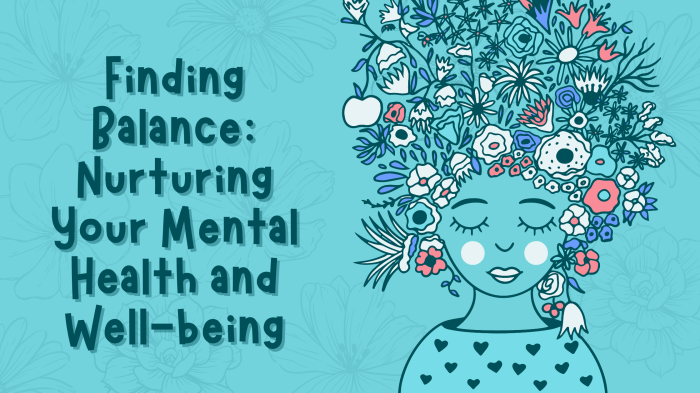
Practicing mindfulness is crucial for maintaining emotional balance and overall well-being. By being present in the moment and fully aware of our thoughts and feelings, we can better manage stress, anxiety, and other mental health challenges.
Importance of Mindfulness
Mindfulness helps improve mental wellness by reducing negative thinking patterns, increasing self-awareness, and enhancing emotional regulation. It allows us to respond to situations calmly and rationally, rather than reacting impulsively.
-
Being mindful can also improve focus, concentration, and cognitive function, leading to better decision-making and problem-solving skills.
-
Practicing mindfulness can enhance relationships, as it promotes empathy, active listening, and effective communication.
-
It can also contribute to a greater sense of gratitude, compassion, and overall happiness in life.
Tips for Incorporating Mindfulness
Here are some practical tips for integrating mindfulness into your daily life for emotional well-being:
- Start your day with a few minutes of mindful breathing or meditation to set a positive tone for the day.
- Practice mindfulness during daily activities such as eating, walking, or showering by focusing on the sensations and experiences in the present moment.
- Take short breaks throughout the day to check in with yourself, observe your thoughts and emotions without judgment, and practice self-compassion.
- Engage in mindfulness exercises such as body scans, mindful listening, or loving-kindness meditation to deepen your practice and cultivate a sense of peace and well-being.
Health Education
Health education plays a crucial role in promoting emotional balance by providing individuals with the knowledge and skills needed to understand and manage their mental health effectively. By raising awareness about mental health issues and promoting healthy coping mechanisms, health education initiatives contribute to emotional well-being.
Role of Health Education in Promoting Emotional Balance
- Health education teaches individuals about the importance of self-care practices and stress management techniques to maintain emotional equilibrium.
- It helps individuals recognize the signs and symptoms of mental health disorders, enabling early intervention and treatment.
- Health education empowers individuals to seek help when needed and reduces the stigma surrounding mental health challenges.
Impact of Knowledge about Mental Health on Emotional Well-being
- Increased awareness about mental health conditions can lead to improved self-awareness and self-regulation, enhancing emotional resilience.
- Knowledge about mental health can promote empathy and understanding towards others experiencing similar challenges, fostering a supportive community.
- Understanding the factors that contribute to mental well-being can help individuals make informed decisions to prioritize their emotional health.
Examples of Health Education Initiatives Supporting Emotional Balance
- Workshops and seminars on stress management techniques, mindfulness practices, and emotional regulation skills
- Online resources and educational materials providing information on common mental health conditions and treatment options
- School-based programs promoting mental health awareness and resilience-building activities for students
Self-Care
Self-care plays a crucial role in maintaining emotional balance and overall mental well-being. It involves taking intentional actions to prioritize your physical, emotional, and mental health.
Significance of Self-Care for Emotional Balance
Self-care is essential for achieving emotional balance as it allows individuals to tune into their needs and take steps to meet them. By practicing self-care, individuals can manage stress, reduce anxiety, and enhance their overall emotional well-being.
How Self-Care Practices Improve Mental Well-being
- Self-care practices such as mindfulness meditation, journaling, and engaging in hobbies can help individuals relax, reduce negative emotions, and improve their mood.
- Establishing boundaries, saying no when necessary, and prioritizing self-care activities can prevent burnout and promote mental wellness.
- Regular exercise, healthy eating habits, and adequate sleep are all part of self-care routines that contribute to better mental health.
Examples of Self-Care Routines for Emotional Balance, Importance of emotional balance for mental well-being
- Practicing yoga or deep breathing exercises to calm the mind and reduce stress.
- Taking regular breaks throughout the day to rest and recharge.
- Engaging in creative activities such as painting, writing, or playing music to express emotions and foster self-expression.
- Socializing with friends and loved ones to build a support system and enhance feelings of connectedness.
Chronic Disease
Chronic diseases are long-lasting conditions that often require ongoing management and treatment. These conditions can have a significant impact on an individual’s emotional well-being, highlighting the crucial relationship between chronic disease and emotional balance.
Impact of Managing Chronic Conditions on Mental Well-being
Managing chronic conditions such as diabetes, heart disease, or autoimmune disorders can be emotionally taxing. The constant monitoring, treatments, and lifestyle adjustments can lead to stress, anxiety, and feelings of overwhelm. This can in turn impact mental well-being, leading to depression, mood swings, and a decreased quality of life.
It is essential for individuals dealing with chronic diseases to prioritize their emotional balance alongside their physical health. By addressing the emotional aspects of their condition, individuals can better cope with the challenges and uncertainties that come with managing a chronic illness.
Holistic Approaches for Emotional Balance in Chronic Disease Management
- Mindfulness and Meditation:Practicing mindfulness and meditation techniques can help individuals reduce stress, improve emotional regulation, and enhance overall well-being.
- Support Groups:Connecting with others facing similar challenges can provide a sense of community, understanding, and emotional support.
- Therapy and Counseling:Seeking professional help through therapy or counseling can offer valuable tools for managing emotions, coping with stress, and building resilience.
- Physical Activity:Engaging in regular physical activity can release endorphins, improve mood, and reduce symptoms of anxiety and depression.
- Nutrition and Diet:Maintaining a balanced diet can support overall health and emotional well-being, providing the body with essential nutrients for optimal functioning.
Final Review
In conclusion, the quest for emotional balance is not merely a journey of self-discovery but a fundamental aspect of our mental well-being. By understanding the importance of emotional equilibrium and its impact on our overall health, we pave the way for a more fulfilling and harmonious life.
Embracing emotional balance is not just a choice; it’s a commitment to nurturing our inner selves and fostering a deep sense of well-being.
Common Queries
How does emotional balance impact mental well-being?
Emotional balance plays a crucial role in maintaining mental well-being by promoting inner peace, resilience, and overall psychological health.
What are some strategies for enhancing emotional balance?
Practicing mindfulness, engaging in regular exercise, and maintaining a balanced diet are effective strategies for enhancing emotional balance.
Can chronic diseases affect emotional balance?
Yes, managing chronic conditions can impact emotional balance, highlighting the importance of holistic approaches in maintaining mental well-being.