The effects of digital detox on mental wellness: A transformative journey towards inner peace

The effects of digital detox on mental wellness

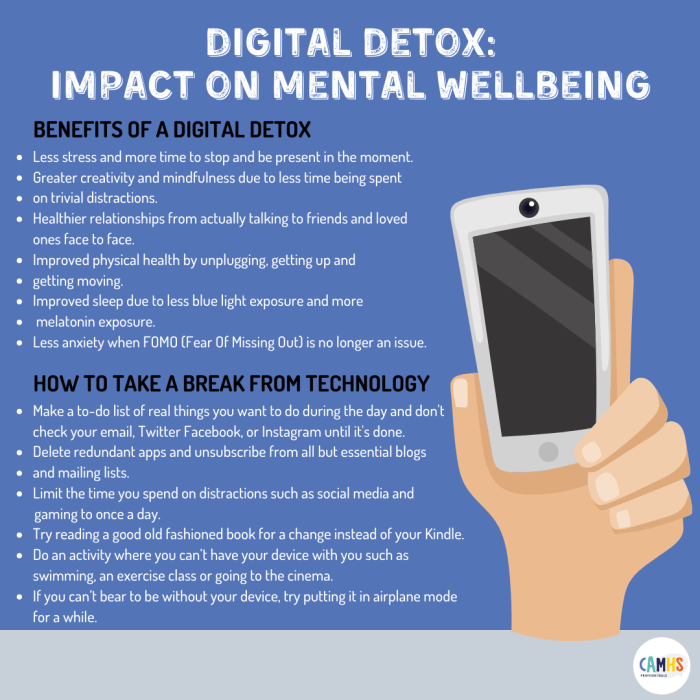
The effects of digital detox on mental wellness take center stage in today’s fast-paced world, where constant connectivity often leads to mental fatigue and stress. By exploring the impact of unplugging from technology on our mental well-being, we embark on a transformative journey towards inner peace and emotional balance.

In a society dominated by screens and notifications, the concept of digital detox offers a refreshing perspective on how we can prioritize our mental health in the digital age.

Balanced Diet

Maintaining a balanced diet is crucial for overall well-being, including mental health. The food we consume directly impacts our brain function, mood, and energy levels. Therefore, it is essential to fuel our bodies with nutrient-rich foods that support optimal mental wellness.

Nutrient-Rich Foods for Mental Health

A diet rich in nutrients such as omega-3 fatty acids, antioxidants, vitamins, and minerals can positively impact mental health. Foods like fatty fish (salmon, mackerel), nuts and seeds, leafy greens, berries, whole grains, and lean proteins are excellent choices to support brain health and emotional well-being.

Impact of Poor Diet on Mental Well-Being

On the contrary, a poor diet high in processed foods, sugar, unhealthy fats, and artificial additives can have detrimental effects on mental wellness. Such diets have been linked to increased risk of depression, anxiety, and cognitive decline. Consuming nutrient-poor foods can lead to inflammation in the brain and negatively affect neurotransmitter function, contributing to mood disorders and cognitive impairment.

Physical Fitness

Regular physical activity plays a crucial role in maintaining good mental wellness. Exercise not only keeps our bodies healthy but also has a positive impact on our mental health. It helps reduce anxiety, stress, and symptoms of depression, leading to an overall sense of well-being.

Types of Exercises for Mental Health

  • Aerobic Exercises: Activities like running, swimming, or cycling can help increase the production of endorphins, which are known as the body’s natural painkillers and mood elevators.
  • Strength Training: Lifting weights or using resistance bands can improve cognitive function and reduce symptoms of anxiety and depression.
  • Yoga: Practicing yoga can help reduce stress levels, improve concentration, and promote relaxation through breathing techniques and mindfulness.
  • Walking: A simple and accessible form of exercise, walking can boost mood, increase energy levels, and improve overall mental well-being.

Connection Between Exercise and Improved Mood

Regular physical activity has been shown to release chemicals in the brain, such as endorphins and serotonin, which are known to improve mood and reduce feelings of pain or stress. Exercise also helps increase self-esteem and confidence, leading to a more positive outlook on life.

Adequate Hydration: The Effects Of Digital Detox On Mental Wellness

Proper hydration is essential for maintaining optimal mental well-being. Water plays a crucial role in various bodily functions, including the brain’s ability to function efficiently.

Significance of Adequate Hydration

Adequate hydration is vital for mental health as it helps in regulating mood, cognition, and concentration. When the body is dehydrated, it can lead to feelings of fatigue, irritability, and difficulty in focusing.

  • Drink at least 8-10 glasses of water per day to ensure proper hydration levels.
  • Carry a reusable water bottle with you throughout the day to remind yourself to drink water regularly.
  • Include hydrating foods in your diet, such as fruits and vegetables, to supplement your water intake.
  • Avoid excessive consumption of caffeinated and alcoholic beverages as they can contribute to dehydration.

Effects of Dehydration on Cognitive Functions

Dehydration can have a significant impact on cognitive functions, affecting memory, attention, and decision-making abilities.

  • Dehydration can lead to decreased cognitive performance, making it challenging to think clearly and solve problems efficiently.
  • Studies have shown that even mild dehydration can impair cognitive function, affecting both short-term and long-term memory.
  • Proper hydration is essential for maintaining neurocognitive function and overall mental well-being.

Stress Management

Stress management plays a crucial role in maintaining optimal mental wellness. High levels of stress can negatively impact our mental health, leading to anxiety, depression, and various other emotional issues. It is essential to implement effective strategies to reduce stress and improve overall well-being.

Effective Strategies for Reducing Stress Levels

Implementing certain strategies in daily life can help in reducing stress levels significantly. Here are some effective ways to manage stress:

  • Practice mindfulness and meditation to calm the mind and reduce anxiety.
  • Engage in regular physical activity to release endorphins and combat stress.
  • Establish a healthy work-life balance to prevent burnout and reduce stress levels.
  • Connect with friends and family for social support and emotional well-being.
  • Engage in hobbies and activities that bring joy and relaxation.

Impact of Chronic Stress on Mental Health

Chronic stress can have a detrimental impact on mental health, leading to long-term psychological issues. Prolonged exposure to stress hormones can disrupt the brain’s chemistry and contribute to the development of mental health disorders such as depression and anxiety. It is crucial to address chronic stress through effective stress management techniques to safeguard our mental well-being.

Quality Sleep

Quality sleep is crucial for maintaining optimal mental well-being. It plays a vital role in cognitive function, emotional regulation, and overall mental health. Lack of quality sleep can lead to irritability, difficulty concentrating, and increased risk of developing mental health disorders.

Tips for Improving Sleep Quality and Duration

  • Avoid caffeine and electronics before bedtime to promote relaxation.
  • Create a bedtime routine to signal to your body that it’s time to sleep.
  • Ensure your sleep environment is dark, quiet, and at a comfortable temperature.
  • Limit naps during the day to avoid disrupting your sleep schedule.
  • Exercise regularly but avoid vigorous activity close to bedtime.

Effects of Sleep Deprivation on Mental Health

Sleep deprivation can have serious consequences on mental health. It can contribute to mood disorders, such as depression and anxiety, as well as increased stress levels. Additionally, lack of quality sleep can impair decision-making, memory consolidation, and overall cognitive function.

Prioritizing quality sleep is essential for maintaining mental wellness and overall well-being.

Healthy Lifestyle

Adopting a healthy lifestyle plays a crucial role in promoting mental wellness. When individuals prioritize their physical and mental health through various practices, they can experience improved mood, reduced stress levels, and overall well-being.

Examples of Holistic Health Practices

  • Regular exercise: Engaging in physical activities such as yoga, running, or strength training can release endorphins, which are known to boost mood and reduce feelings of anxiety and depression.
  • Mindfulness and meditation: Practicing mindfulness techniques and meditation can help individuals stay present, reduce negative thought patterns, and improve emotional regulation.
  • Healthy eating habits: Consuming a balanced diet rich in fruits, vegetables, whole grains, and lean proteins can provide essential nutrients that support brain function and mental health.

Role of Self-Care

Self-care is an essential component of maintaining a healthy lifestyle and supporting mental well-being. It involves prioritizing activities that nurture the mind, body, and soul, such as taking time for relaxation, engaging in hobbies, setting boundaries, and seeking support when needed.

By practicing self-care, individuals can better cope with stress, improve their overall quality of life, and foster a positive mindset.

Preventive Care

Preventive care plays a crucial role in maintaining good mental health and overall well-being. By taking proactive measures, individuals can significantly reduce the risk of developing mental health issues and promote a healthier mindset.

Significance of Preventive Measures

It is essential to prioritize preventive care for mental health to address potential triggers and stressors before they escalate. By implementing preventive strategies, individuals can build resilience and coping mechanisms to navigate challenges effectively.

Examples of Preventive Measures, The effects of digital detox on mental wellness

  • Regular exercise: Engaging in physical activity can help reduce stress, anxiety, and depression while boosting mood and self-esteem.
  • Maintaining social connections: Building strong relationships and seeking support from friends and family can provide a sense of belonging and reduce feelings of isolation.
  • Practicing mindfulness and relaxation techniques: Techniques such as meditation, deep breathing, and yoga can help manage stress and promote mental clarity.
  • Eating a balanced diet: Consuming nutritious foods rich in vitamins and minerals can support brain function and overall mental well-being.

Importance of Early Intervention

Early intervention is crucial in preventing mental health issues from worsening. By recognizing early signs and seeking help promptly, individuals can receive the necessary support and resources to address underlying issues before they escalate.

Cardio Health

Regular cardiovascular exercise plays a crucial role in maintaining both physical and mental well-being. The connection between cardiovascular health and mental wellness is significant, as the heart and brain are closely linked in their functions.

Benefits of Cardiovascular Exercises

  • Improves mood: Cardiovascular exercises stimulate the production of endorphins, also known as “feel-good” hormones, which can help reduce symptoms of anxiety and depression.
  • Enhances cognitive function: Engaging in aerobic activities can boost brain health by increasing blood flow and oxygen to the brain, leading to better cognitive function and mental clarity.
  • Reduces stress: Regular cardio workouts can help lower stress levels by releasing tension and promoting relaxation, leading to an overall sense of well-being.
  • Boosts self-esteem: Achieving fitness goals through cardiovascular exercises can boost self-confidence and improve overall mental health.

Impact of Good Heart Health on Overall Well-being

Maintaining good heart health through cardiovascular exercises can have a positive impact on overall well-being by reducing the risk of heart disease, improving circulation, and enhancing the body’s ability to function optimally.

Immune Boost

Boosting the immune system plays a crucial role in supporting mental wellness. A strong immune system can help protect the body from illnesses and reduce inflammation, which in turn can have a positive impact on mental health.

Immune-Boosting Foods and Habits

  • Eating a variety of fruits and vegetables rich in vitamins and antioxidants, such as berries, citrus fruits, and leafy greens, can help strengthen the immune system.
  • Including probiotic-rich foods like yogurt, kefir, and sauerkraut in your diet can promote good gut health, which is closely linked to immune function and mental well-being.
  • Staying hydrated by drinking plenty of water throughout the day can also support immune function and overall health.
  • Engaging in regular exercise, getting enough sleep, and managing stress through activities like meditation or yoga can all contribute to a stronger immune system and improved mental health.

Relationship Between Immune System and Mood

A strong immune system is not only essential for fighting off infections but also plays a role in regulating inflammation in the body. Chronic inflammation has been linked to conditions like depression and anxiety, highlighting the importance of immune function in mental wellness.

By taking steps to boost the immune system through healthy habits and nutrition, individuals can potentially experience improved mood and overall well-being.

Positive Mindset

Maintaining a positive mindset is crucial for mental well-being as it can greatly impact how we perceive and handle various situations in life. A positive outlook can help reduce stress, improve overall mood, and enhance resilience in facing challenges.

Strategies for Cultivating a Positive Outlook

  • Practice gratitude: Taking time each day to focus on things you are grateful for can shift your perspective towards positivity.
  • Affirmations: Daily affirmations can help rewire your brain to think positively and boost self-confidence.
  • Surround yourself with positivity: Engage with supportive and uplifting people, and limit exposure to negative influences.
  • Engage in activities you enjoy: Doing things that bring you joy and fulfillment can contribute to a positive mindset.
  • Mindfulness and meditation: These practices can help you stay present, reduce negative thinking, and promote emotional well-being.

Impact of Negativity on Mental Health

Negativity, whether internal or external, can have detrimental effects on mental health. Constant exposure to negative thoughts, emotions, or environments can lead to increased stress, anxiety, and depression. It can also hinder problem-solving abilities and overall happiness. Therefore, it is essential to actively work towards maintaining a positive mindset for optimal mental wellness.

Clean Eating

Clean eating refers to consuming whole, natural foods in their most natural state, or as close to it as possible. This means avoiding processed, refined, and artificial ingredients that can have negative effects on our physical and mental well-being.

Examples of Clean Eating Practices

  • Choosing fresh fruits and vegetables over canned or frozen options
  • Opting for whole grains like quinoa, brown rice, and oats instead of refined grains
  • Including lean proteins such as chicken, fish, and tofu in your diet
  • Using healthy fats like olive oil, avocados, and nuts in cooking

Benefits of Avoiding Processed Foods

Avoiding processed foods can have numerous benefits for mental well-being. Processed foods are often high in added sugars, unhealthy fats, and artificial additives, which have been linked to mood disorders, cognitive decline, and increased risk of depression and anxiety.

Daily Activity

Incorporating daily activities is essential for maintaining good mental wellness. Engaging in regular physical movement and exercise can have a profound impact on our mood, cognitive function, and overall mental well-being.

Significance of Daily Activities

Regular daily activities play a crucial role in promoting mental wellness by releasing endorphins, reducing stress, improving sleep quality, and boosting self-esteem. These activities help in managing anxiety and depression, enhancing overall cognitive function, and providing a sense of accomplishment.

Examples of Daily Activities to Improve Mental Health

  • Walking or jogging in the morning
  • Practicing yoga or meditation
  • Gardening or engaging in a hobby
  • Dancing to your favorite music
  • Taking short breaks to stretch and move throughout the day

Relationship between Staying Active and Mental Well-being

Staying active through daily activities is directly linked to better mental well-being. Physical exercise helps in releasing neurotransmitters like endorphins and serotonin, which are known to improve mood and reduce feelings of stress and anxiety. Additionally, staying active can enhance cognitive function, increase energy levels, and promote better sleep patterns, all of which contribute to overall mental wellness.

Mindful Living

Living mindfully involves being fully present and engaged in the moment, without judgment. This practice can have numerous benefits on mental wellness, promoting a sense of calm, clarity, and emotional stability.

Benefits of Mindful Living

  • Reduces stress and anxiety levels
  • Improves focus and concentration
  • Enhances self-awareness and emotional regulation
  • Promotes a more positive outlook on life

Tips for Practicing Mindfulness

  • Start with simple activities like mindful breathing or body scans
  • Practice gratitude and appreciation for the present moment
  • Avoid multitasking and focus on one task at a time
  • Engage in mindful eating by savoring each bite and being aware of sensations

Enhancing Mental Health with Mindfulness Techniques

  • Reduces rumination and overthinking
  • Helps in managing difficult emotions and reactions
  • Increases self-compassion and acceptance
  • Encourages a sense of interconnectedness and empathy towards others

Emotional Balance

Emotional balance plays a crucial role in maintaining mental well-being. It involves the ability to manage and express emotions in a healthy way, leading to overall emotional stability and resilience.

Importance of Achieving Emotional Balance

Emotional balance is essential for mental health as it allows individuals to navigate through life’s challenges with greater ease. When emotions are managed effectively, it can lead to reduced stress levels, improved relationships, and better decision-making skills.

Strategies for Managing Emotions Effectively

  • Practice mindfulness: Being aware of your emotions without judgment can help you respond more thoughtfully rather than react impulsively.
  • Seek support: Talking to a trusted friend, family member, or therapist can provide a different perspective and offer emotional support.
  • Engage in self-care activities: Taking time for yourself through activities like meditation, exercise, or hobbies can help regulate emotions.
  • Develop healthy coping mechanisms: Find healthy ways to cope with stress such as deep breathing, journaling, or engaging in creative outlets.

Impact of Emotional Stability on Mental Health

Emotional stability contributes significantly to mental health by reducing the risk of anxiety, depression, and other mental health disorders. When individuals are emotionally balanced, they are better equipped to handle life’s challenges and maintain a positive outlook.

Health Education

Health education plays a crucial role in promoting mental wellness by increasing awareness, knowledge, and understanding of mental health issues. By providing individuals with the necessary information and tools, health education can empower them to take proactive steps towards maintaining their mental well-being.

The Importance of Educating Individuals about Mental Health

  • Health education helps individuals recognize the signs and symptoms of mental illness, enabling early intervention and treatment.
  • It fosters a supportive environment where people feel comfortable discussing mental health concerns without fear of judgment or stigma.
  • Educating individuals about mental health promotes self-care practices and coping strategies to manage stress, anxiety, and other mental health challenges.

Reducing Stigma Surrounding Mental Illness through Health Education

  • Health education dispels myths and misconceptions about mental illness, promoting understanding and empathy towards those affected.
  • It encourages open conversations about mental health, leading to increased acceptance and support for individuals living with mental health conditions.
  • By raising awareness and providing accurate information, health education helps combat negative stereotypes and discrimination associated with mental illness.

Chronic Disease

Chronic diseases are long-term conditions that require ongoing management and care. These health issues can have a significant impact on mental wellness due to the physical and emotional toll they take on individuals.

Relationship between Chronic Diseases and Mental Wellness

Chronic diseases can increase stress levels, anxiety, and depression in individuals. The constant management of symptoms, medical appointments, and lifestyle adjustments can be overwhelming and lead to mental health challenges. Additionally, the limitations imposed by chronic conditions can affect one’s quality of life and overall sense of well-being.

Managing Chronic Conditions and Mental Health

It is essential to address both the physical and mental aspects of chronic diseases to ensure holistic care. By managing chronic conditions effectively, individuals can experience improved mental health outcomes. This may involve medication adherence, lifestyle modifications, regular check-ups, and seeking support from healthcare professionals and mental health experts.

Importance of Holistic Care

Holistic care is crucial in addressing the complex interplay between physical and mental health concerns. By taking a comprehensive approach to treatment, individuals can better manage their chronic conditions and improve their overall quality of life. This may involve integrating mental health support, stress management techniques, and lifestyle changes into the treatment plan to promote well-being on all fronts.

Final Wrap-Up

The effects of digital detox on mental wellness

As we conclude our exploration of the effects of digital detox on mental wellness, it becomes evident that disconnecting from technology can have profound benefits for our mental and emotional health. By embracing periods of digital detox, we pave the way for a more mindful and balanced existence in an increasingly connected world.

FAQ

How long should a digital detox last?

A digital detox can last anywhere from a few hours to several days, depending on individual preferences and goals. It’s important to find a duration that works best for you.

Can a digital detox improve sleep quality?

Yes, disconnecting from screens before bedtime as part of a digital detox can help improve sleep quality by reducing exposure to blue light, which can interfere with the body’s natural sleep-wake cycle.

What are some activities to do during a digital detox?

Engaging in outdoor activities, reading books, practicing mindfulness or meditation, and spending quality time with loved ones are great options during a digital detox to promote mental wellness.

Is it necessary to completely disconnect during a digital detox?

While a complete disconnection from technology is ideal for a digital detox, individuals can also choose to set boundaries such as limiting screen time or using devices only for essential purposes to still benefit from the experience.


The impact of a balanced diet on mental health

The impact of a balanced diet on mental health

The impact of a balanced diet on mental health sets the stage for this enthralling narrative, offering readers a glimpse into a story that is rich in detail and brimming with originality from the outset. In exploring the intricate relationship between what we eat and how we feel, this topic sheds light on the profound effects of nutrition on our mental well-being.

As we delve deeper into the ways in which a balanced diet can shape our mental health, a world of possibilities emerges, revealing the transformative power of mindful eating and healthy choices.

Balanced Diet

Eating a balanced diet is crucial for promoting mental wellness as it provides the necessary nutrients and energy for the brain to function optimally. A diet rich in essential vitamins, minerals, and antioxidants can help improve mood, reduce stress, and enhance cognitive function.

Nutrient-Rich Foods for Mental Health

Eating nutrient-dense foods can have a positive impact on mental well-being. Some examples include:

  • Fatty fish like salmon, which are high in omega-3 fatty acids known to reduce symptoms of depression and anxiety.
  • Leafy greens such as spinach and kale, which are rich in folate and magnesium that can help regulate mood.
  • Nuts and seeds like almonds and chia seeds, which are packed with antioxidants and essential nutrients for brain health.
  • Whole grains like quinoa and brown rice, which provide a steady source of energy for the brain.

Impact of Unhealthy Eating Habits

Unhealthy eating habits, such as consuming high amounts of processed foods, sugary snacks, and beverages, can negatively impact mental well-being. These foods can lead to inflammation in the brain, imbalances in neurotransmitters, and fluctuations in blood sugar levels, all of which can contribute to mood swings, fatigue, and cognitive impairment.

Mental Wellness

The impact of a balanced diet on mental health

Eating a balanced diet doesn’t just impact your physical health; it also plays a crucial role in maintaining good mental wellness. The connection between diet and mental well-being is evident in how certain nutrients can affect our mood, cognition, and overall emotional balance.

Contribution to Emotional Balance

A balanced diet rich in fruits, vegetables, whole grains, lean proteins, and healthy fats provides the essential nutrients needed for optimal brain function. These nutrients help regulate neurotransmitters, such as serotonin and dopamine, which are crucial for mood regulation. By consuming a variety of nutrient-dense foods, you can support emotional balance and reduce the risk of mood disorders.

  • Omega-3 fatty acids found in fatty fish like salmon and walnuts play a key role in brain health and can help alleviate symptoms of depression and anxiety.
  • Complex carbohydrates found in whole grains, fruits, and vegetables can boost serotonin levels, promoting feelings of calmness and well-being.
  • Antioxidants from colorful fruits and vegetables help reduce inflammation in the brain, protecting against cognitive decline and improving overall mental clarity.

Physical Fitness

Proper nutrition plays a crucial role in improving physical fitness and overall health. By maintaining a balanced diet, individuals can enhance their exercise performance and energy levels, leading to better physical well-being.

Relationship between Balanced Diet and Physical Fitness

A balanced diet provides the necessary nutrients, vitamins, and minerals that the body needs to function optimally during physical activities. By consuming a variety of foods from different food groups, individuals can support muscle growth, repair, and recovery, which are essential for improving physical fitness.

Enhancing Exercise Performance with Proper Nutrition

Proper nutrition can enhance exercise performance by providing the body with the fuel it needs to sustain physical activity. Carbohydrates are a primary source of energy for the body, while proteins aid in muscle repair and recovery. Including lean proteins, whole grains, fruits, and vegetables in one’s diet can help improve endurance, strength, and overall performance during exercise.

Foods that Boost Energy Levels for Physical Activity

Whole grains

Foods like oatmeal, brown rice, and whole wheat bread provide a steady source of energy due to their complex carbohydrates.

Lean proteins

Chicken, turkey, fish, tofu, and legumes are excellent sources of protein that support muscle growth and repair.

Fruits and vegetables

Berries, bananas, spinach, and sweet potatoes are rich in vitamins, minerals, and antioxidants that help maintain energy levels and improve overall health.

Nuts and seeds

Almonds, walnuts, chia seeds, and flaxseeds are packed with healthy fats, protein, and fiber that can sustain energy levels during physical activity.

Adequate Hydration

Maintaining proper hydration is crucial for both physical and mental health. Dehydration can have a significant impact on cognitive function and mood, affecting your overall well-being. It is essential to understand the importance of staying hydrated throughout the day to support optimal mental health.

Importance of Hydration for Mental Health

  • Water is essential for brain function: The brain is composed of about 75% water, and dehydration can lead to poor concentration, headaches, and fatigue.
  • Regulates mood: Dehydration can affect neurotransmitter function, leading to mood swings, irritability, and anxiety.
  • Improves cognitive performance: Proper hydration supports cognitive abilities such as memory and focus, helping you stay sharp and alert.

Tips for Maintaining Hydration Levels

  • Carry a reusable water bottle with you throughout the day to remind yourself to drink water regularly.
  • Set reminders on your phone or use apps to track your water intake and ensure you are meeting your daily hydration goals.
  • Incorporate hydrating foods such as fruits and vegetables into your diet, as they contain water and can contribute to your overall fluid intake.
  • Avoid excessive consumption of caffeinated or sugary beverages, as they can dehydrate the body and hinder proper hydration.
  • Listen to your body’s signals of thirst and drink water whenever you feel thirsty to prevent dehydration.

Regular Exercise

Regular exercise plays a crucial role in conjunction with a balanced diet for maintaining optimal mental well-being. Physical activity has been shown to have numerous benefits for mental health, including reducing stress, anxiety, and improving overall mood.

Examples of Exercises for Mental Health

  • Cardiovascular exercises such as running, swimming, or cycling can help release endorphins, also known as the “feel-good” hormones, which can boost mood and reduce symptoms of anxiety and depression.
  • Yoga and Pilates are great for both the body and mind, promoting relaxation, mindfulness, and reducing stress levels.
  • Strength training exercises like weightlifting can improve self-esteem and confidence, leading to a more positive outlook on life.

How Exercise Reduces Stress and Anxiety

Regular physical activity can help reduce levels of the body’s stress hormones, such as adrenaline and cortisol, while stimulating the production of endorphins. This can result in a calmer mind, improved focus, and a better ability to cope with daily stressors.

Additionally, exercise promotes better sleep quality, which is essential for mental health and overall well-being.

Healthy Lifestyle

Adopting a healthy lifestyle plays a crucial role in supporting mental wellness. Making positive choices in daily habits can have a significant impact on overall mental health.

Strategies for Incorporating Healthy Habits

  • Start the day with a nutritious breakfast to fuel your body and mind.
  • Include a variety of fruits, vegetables, whole grains, and lean proteins in your meals.
  • Stay active by engaging in regular physical activity, such as walking, running, or yoga.
  • Get an adequate amount of sleep to allow your brain to rest and recharge.
  • Practice stress-reducing activities like meditation or deep breathing exercises.

Overall Impact of Lifestyle Choices

Your lifestyle choices, including diet, exercise, sleep, and stress management, can greatly affect your mental health. By prioritizing healthy habits and making conscious decisions to care for your body, you can enhance your overall well-being and support mental wellness.

Nutrient-Rich

Eating a variety of nutrient-rich foods is essential for maintaining good mental health. These foods provide the necessary vitamins, minerals, and antioxidants that support brain function and overall well-being.

Essential Nutrients for Mental Health

  • Omega-3 fatty acids: Found in fatty fish like salmon and walnuts, omega-3s are crucial for brain health and can help improve mood and cognition.
  • B vitamins: Foods like whole grains, leafy greens, and lean meats provide B vitamins that play a role in neurotransmitter function and energy production in the brain.
  • Vitamin D: Sunlight exposure and fortified foods like dairy products can help maintain optimal levels of vitamin D, which is linked to mood regulation and cognitive function.
  • Antioxidants: Fruits, vegetables, and nuts are rich in antioxidants that protect the brain from oxidative stress and inflammation, contributing to mental clarity and focus.

Supporting Cognitive Function

Eating foods rich in essential nutrients can support cognitive function by promoting healthy brain cells, neurotransmitter production, and efficient communication between brain regions. These nutrients help enhance memory, concentration, and overall cognitive performance.

Examples of Nutrient-Rich Meals

Meal Ingredients
Salmon Salad Grilled salmon, mixed greens, avocado, cherry tomatoes, walnuts, olive oil dressing
Quinoa Stir-Fry Quinoa, mixed vegetables (bell peppers, broccoli, carrots), tofu, sesame oil, soy sauce
Greek Yogurt Parfait Greek yogurt, mixed berries, granola, honey

Stress Management

Maintaining a balanced diet is crucial not only for physical health but also for mental well-being. When it comes to stress management, the role of diet should not be underestimated.

Impact of Diet on Stress Levels

  • Consuming a diet rich in fruits, vegetables, whole grains, and lean proteins can help regulate blood sugar levels, which in turn can help in managing stress.
  • Avoiding excessive caffeine, sugar, and processed foods can prevent spikes in blood sugar and cortisol levels, reducing stress and anxiety.
  • Including omega-3 fatty acids found in fish, flaxseeds, and walnuts can help improve brain function and mood, reducing the impact of stress on mental health.

Role of Stress Management in Mental Wellness

  • Effective stress management techniques such as mindfulness, meditation, deep breathing exercises, and regular physical activity can help lower stress levels and improve overall mental well-being.
  • Reducing stress through proper diet and lifestyle choices can prevent the development of mental health disorders such as depression and anxiety.
  • Stress management plays a significant role in maintaining a healthy mind-body connection, promoting resilience and emotional stability.

Preventive Care

Preventive care in relation to mental health involves taking proactive steps to maintain and improve mental well-being before any issues arise. This approach focuses on preventing mental health problems rather than just treating them after they occur.

Balanced Diet as Preventive Care

A balanced diet plays a crucial role in preventive care for mental well-being. Nutrient-rich foods can help support brain function and regulate mood, reducing the risk of mental health issues such as depression and anxiety.

  • Eating a variety of fruits, vegetables, whole grains, lean proteins, and healthy fats provides essential nutrients that promote mental clarity and emotional stability.
  • Avoiding excessive consumption of processed foods, sugary snacks, and caffeine can help prevent mood swings and energy crashes that may impact mental health.
  • Staying hydrated by drinking an adequate amount of water throughout the day is also important for maintaining cognitive function and emotional balance.

Preventive Measures for Mental Health Support

  • Regular exercise: Physical activity has been shown to reduce symptoms of anxiety and depression, improve sleep quality, and enhance overall mental well-being.
  • Sleep hygiene: Establishing a consistent sleep routine and ensuring adequate rest can help regulate mood, cognition, and stress levels.
  • Stress management techniques: Practicing mindfulness, deep breathing exercises, and other relaxation techniques can help reduce stress and prevent the onset of mental health issues.
  • Social support: Maintaining strong social connections and seeking help from friends, family, or mental health professionals when needed can provide emotional support and prevent feelings of isolation or loneliness.

Proper Nutrition

Proper nutrition plays a crucial role in maintaining good mental health. The food we eat directly impacts our brain function, mood, and overall well-being.

Role of Specific Nutrients

Specific nutrients are essential for supporting optimal brain function. For example:

  • Omega-3 fatty acids found in fish, flaxseeds, and walnuts are important for cognitive function and mood regulation.
  • Antioxidants like vitamin C, vitamin E, and beta-carotene help protect brain cells from damage caused by free radicals.
  • B vitamins, particularly B6, B12, and folate, play a key role in neurotransmitter synthesis and can help reduce symptoms of depression and anxiety.

Guidelines for Achieving Proper Nutrition

Achieving proper nutrition through a balanced diet involves:

  • Including a variety of fruits, vegetables, whole grains, lean proteins, and healthy fats in your meals.
  • Avoiding processed foods high in sugar, unhealthy fats, and artificial additives.
  • Staying hydrated by drinking an adequate amount of water throughout the day.
  • Listenting to your body’s hunger and fullness cues to maintain a healthy relationship with food.

Quality Sleep

Good quality sleep is essential for overall health and well-being. It plays a crucial role in mental health, physical health, and quality of life. One factor that significantly influences the quality of sleep is diet.

Connection between Balanced Diet and Quality Sleep

A balanced diet rich in nutrients can positively impact sleep patterns and overall sleep quality. Certain vitamins and minerals found in foods can help regulate sleep hormones and neurotransmitters, promoting better sleep. For example, foods high in tryptophan, such as turkey, nuts, and seeds, can help increase serotonin levels, which is important for sleep regulation.

Dietary Influences on Sleep Patterns

1. Limit Caffeine and Alcohol

Consuming caffeine and alcohol close to bedtime can disrupt sleep patterns. It is advisable to avoid these substances in the hours leading up to bedtime.

2. Incorporate Magnesium-Rich Foods

Magnesium is known to promote relaxation and improve sleep quality. Foods like leafy greens, nuts, seeds, and whole grains are good sources of magnesium.

3. Eat Balanced Meals

Consuming balanced meals throughout the day can help stabilize blood sugar levels and prevent fluctuations that may disrupt sleep.

4. Hydrate Properly

Staying hydrated is essential for overall health, including sleep. However, it is recommended to limit fluid intake close to bedtime to avoid waking up during the night for bathroom trips.

5. Avoid Heavy Meals Before Bed

Eating heavy or spicy meals right before bedtime can lead to indigestion and discomfort, making it harder to fall asleep.Incorporating these dietary tips into your lifestyle can contribute to better sleep quality and overall well-being.

Cardio Health

Maintaining a balanced diet plays a crucial role in impacting cardiovascular health and mental well-being. The food we consume directly affects our heart health and can have a significant impact on our overall mental wellness.

Relationship Between Heart Health and Mental Health

Our heart health is closely linked to our mental health. When we consume a diet rich in nutrients and low in unhealthy fats and sugars, we not only support our cardiovascular system but also improve our mental well-being. A healthy heart promotes better blood circulation, which means more oxygen and nutrients reach the brain, supporting cognitive function and emotional well-being.Examples of Heart-Healthy Foods Supporting Physical and Mental Wellness:

  • Fatty fish like salmon, mackerel, and trout are rich in omega-3 fatty acids, which have been linked to lower rates of heart disease and improved mood.
  • Whole grains such as oats, quinoa, and brown rice provide essential nutrients like fiber, vitamins, and minerals that support heart health and stabilize blood sugar levels, reducing mood swings.
  • Leafy green vegetables like spinach, kale, and Swiss chard are packed with antioxidants, vitamins, and minerals that support heart health and reduce inflammation, benefiting both physical and mental well-being.
  • Berries such as blueberries, strawberries, and raspberries are high in antioxidants and fiber, which can help lower blood pressure, improve cholesterol levels, and enhance cognitive function, positively impacting mental health.

Immune Boost

A balanced diet plays a crucial role in boosting the immune system, which in turn supports mental health. The nutrients obtained from a variety of foods help strengthen the body’s defense mechanisms, leading to overall well-being.

Connection between Immune Function and Mental Well-being

There is a strong connection between immune function and mental well-being. When the immune system is compromised, it can lead to inflammation in the body, which has been linked to certain mental health conditions such as depression and anxiety. By consuming immune-boosting foods, individuals can help protect their mental health and improve their overall quality of life.

Examples of Immune-Boosting Foods

  • Citrus fruits such as oranges, lemons, and grapefruits are rich in vitamin C, which is known to boost the immune system.
  • Yogurt and other probiotic-rich foods help maintain a healthy gut, which is essential for a strong immune system.
  • Leafy greens like spinach and kale are packed with vitamins and antioxidants that support immune function.
  • Garlic is known for its immune-boosting properties due to its high sulfur content.
  • Almonds, sunflower seeds, and other nuts and seeds provide essential nutrients like vitamin E and zinc that are beneficial for the immune system.

Positive Mindset

Maintaining a positive mindset is crucial for overall mental well-being. Diet plays a significant role in influencing mood and fostering a positive outlook on life. When we nourish our bodies with the right nutrients, we are more likely to experience a sense of well-being and positivity.

Impact of Nutrition on Mood

Proper nutrition can directly impact our mood by providing the necessary building blocks for neurotransmitters in the brain. Nutrient-rich foods such as fruits, vegetables, whole grains, and lean proteins can help regulate serotonin levels, which is known as the “feel-good” hormone.

In contrast, a diet high in processed foods, sugar, and unhealthy fats can lead to mood swings and feelings of lethargy.

  • Include Omega-3 fatty acids in your diet, found in foods like salmon, walnuts, and flaxseeds, to support brain health and reduce symptoms of depression.
  • Consume complex carbohydrates like whole grains and legumes to maintain steady blood sugar levels, which can help stabilize mood.
  • Stay hydrated by drinking plenty of water throughout the day to support cognitive function and overall well-being.

Strategies for Maintaining a Positive Outlook

In addition to eating a balanced diet, there are other strategies you can implement to maintain a positive mindset through nutrition.

  1. Practice mindful eating by savoring each bite and paying attention to how different foods make you feel.
  2. Avoid emotional eating and instead find healthy ways to cope with stress and emotions, such as practicing meditation or going for a walk.
  3. Seek professional help if you are struggling with disordered eating habits or negative thoughts related to food and body image.

Positive Mindset and Mental Health

A positive mindset can have a profound impact on mental health by reducing stress levels, improving resilience, and enhancing overall well-being. When we approach life with a positive outlook, we are better equipped to handle challenges and bounce back from setbacks.

Remember, a healthy mind starts with a healthy body. Nourish yourself with nutrient-rich foods to support your mental well-being and cultivate a positive mindset.

Clean Eating

Clean eating refers to consuming whole, minimally processed foods that are close to their natural state. This approach focuses on choosing nutrient-dense foods that provide essential vitamins, minerals, and antioxidants, while avoiding artificial ingredients, added sugars, and unhealthy fats. The impact of clean eating on mental health is significant, as the foods we eat can directly influence our mood, cognitive function, and overall well-being.

Examples of Clean Eating Habits

  • Include a variety of colorful fruits and vegetables in your daily meals to ensure a range of nutrients and antioxidants.
  • Opt for whole grains like quinoa, brown rice, and oats over refined grains to maintain stable blood sugar levels and sustained energy.
  • Choose lean protein sources such as poultry, fish, beans, and legumes to support muscle health and neurotransmitter function.
  • Incorporate healthy fats from sources like nuts, seeds, avocados, and olive oil to nourish the brain and reduce inflammation.
  • Avoid processed foods, sugary beverages, and excessive amounts of caffeine and alcohol to minimize mood swings and promote mental clarity.

Benefits of a Clean Diet for Mental Wellness

  • A clean diet rich in nutrients can enhance cognitive function and focus, improving overall mental performance.
  • Consuming whole foods can stabilize blood sugar levels and reduce the risk of mood disorders like anxiety and depression.
  • By supporting gut health with a clean diet, the gut-brain connection is strengthened, positively impacting mood and mental well-being.
  • Reducing inflammation through clean eating can protect brain health and lower the risk of neurodegenerative diseases.
  • Overall, a clean diet can promote a sense of balance, vitality, and emotional stability, contributing to improved mental wellness and quality of life.

Daily Activity

Regular physical activity is crucial in maintaining good mental health alongside a balanced diet. Daily activity helps reduce stress, improve mood, boost self-esteem, and enhance overall well-being. It also plays a significant role in preventing mental health conditions such as depression and anxiety.

Simple Activities for Mental Well-Being, The impact of a balanced diet on mental health

  • Walking: Taking a brisk walk outdoors can help clear the mind and reduce stress.
  • Yoga: Practicing yoga can promote relaxation, mindfulness, and improve flexibility.
  • Gardening: Spending time in nature while gardening can be therapeutic and calming.
  • Dancing: Dancing to your favorite music can lift your spirits and increase endorphin levels.

Role of Daily Movement in Overall Health

Regular physical activity not only benefits mental health but also supports overall health. It helps maintain a healthy weight, strengthens muscles and bones, improves cardiovascular health, and boosts the immune system. Incorporating daily movement into your routine can lead to a healthier and happier life.

Holistic Health

Holistic health is an approach that considers the whole person

  • mind, body, and spirit
  • in the quest for optimal wellness. When it comes to mental wellness, this approach looks beyond just treating symptoms and focuses on addressing underlying imbalances in all aspects of a person’s life.

Benefits of Holistic Approach to Mental Well-being

  • Emotional Balance: Practices like meditation, yoga, and mindfulness help individuals manage stress and regulate their emotions, leading to improved mental well-being.
  • Physical Health: A healthy body supports a healthy mind, and holistic practices like regular exercise and proper nutrition contribute to overall mental wellness.
  • Social Connections: Building strong relationships and fostering a sense of community can have a positive impact on mental health, promoting feelings of belonging and support.

Holistic Practices for Mental Health Support

  • Acupuncture: This ancient practice involves inserting thin needles into specific points on the body to improve energy flow and promote mental balance.
  • Aromatherapy: The use of essential oils to stimulate the senses and promote relaxation can help reduce anxiety and improve mood.
  • Herbal Medicine: Incorporating natural herbs and supplements known for their calming or mood-enhancing properties can support mental well-being.

Mindful Living: The Impact Of A Balanced Diet On Mental Health

In today’s fast-paced world, practicing mindful living has become increasingly important for maintaining good mental health. Mindful living involves being fully present in the moment and paying attention to our thoughts, feelings, and surroundings without judgment.

Incorporating Mindfulness into Daily Routines

  • A simple way to incorporate mindfulness into daily routines is to start the day with a few minutes of deep breathing or meditation. This can help set a positive tone for the day ahead.
  • Practice mindful eating by savoring each bite of your meals, paying attention to the flavors, textures, and sensations. This can help improve digestion and promote a healthier relationship with food.
  • Take short mindfulness breaks throughout the day to check in with yourself and ground your thoughts. This can help reduce stress and anxiety levels.

Benefits of Mindfulness for Mental Wellness

  • Mindfulness has been shown to reduce symptoms of anxiety, depression, and other mental health issues by promoting a sense of calm and clarity.
  • Practicing mindfulness can improve focus, memory, and cognitive function, leading to better overall mental performance.
  • By cultivating mindfulness, individuals can develop a greater sense of self-awareness and emotional regulation, leading to healthier relationships and improved communication.

Emotional Balance

The impact of a balanced diet on mental health

Emotional balance plays a crucial role in overall mental well-being, impacting how we respond to stress, manage relationships, and navigate daily challenges. One key factor that significantly influences emotional balance is our diet.

The Relationship Between Diet and Emotional Balance

Our dietary choices can directly affect our emotional state due to the impact of nutrients on brain function. For example, consuming foods rich in omega-3 fatty acids, such as salmon and walnuts, can support brain health and improve mood regulation.

On the other hand, a diet high in refined sugars and processed foods may lead to fluctuations in blood sugar levels, causing mood swings and irritability.

Tips for Achieving Emotional Balance Through Diet

  • Aim for a balanced diet rich in fruits, vegetables, whole grains, lean proteins, and healthy fats to provide essential nutrients for brain health.
  • Include foods high in antioxidants, such as berries and leafy greens, to reduce inflammation and promote a positive mood.
  • Avoid excessive caffeine and alcohol consumption, as they can disrupt sleep patterns and contribute to anxiety and mood disturbances.
  • Stay hydrated by drinking an adequate amount of water throughout the day, as dehydration can impact cognitive function and emotional well-being.
  • Practice mindful eating to tune into hunger and fullness cues, fostering a healthy relationship with food and promoting emotional balance.

Health Education

Health education plays a crucial role in promoting mental wellness by providing individuals with the knowledge and tools to make informed decisions about their overall health.

The Importance of Health Education in Promoting Mental Wellness

Health education equips individuals with the necessary information to understand the connection between nutrition, physical activity, and mental health. By raising awareness about the importance of a balanced diet, regular exercise, and stress management techniques, health education empowers individuals to take control of their mental well-being.

Knowledge about Nutrition Empowering Healthier Choices

  • Understanding the impact of nutrient-rich foods on brain function and mood regulation can motivate individuals to prioritize healthy eating habits.
  • Health education can help individuals make informed choices about their diet, leading to improved mental clarity, focus, and overall well-being.
  • By educating individuals on the benefits of proper nutrition, health education fosters a sense of empowerment and control over one’s mental health.

Impact of Health Education on Overall Mental Health

  • Health education initiatives have been shown to reduce the stigma surrounding mental health issues and encourage individuals to seek help when needed.
  • Increased awareness about the importance of mental wellness through education can lead to early intervention and prevention of mental health disorders.
  • By promoting a holistic approach to health, including mental well-being, health education can contribute to improved quality of life and overall happiness.

Self-Care

Self-care practices play a crucial role in maintaining mental well-being by promoting relaxation, reducing stress, and enhancing overall happiness. When combined with a balanced diet, self-care routines can further improve mental health outcomes.

Integration of Self-Care with Balanced Diet

Self-care activities can be seamlessly integrated with a balanced diet to create a holistic approach to mental wellness. By incorporating mindful eating practices, such as savoring each bite and being present during meals, individuals can enhance their overall well-being. Additionally, maintaining a regular meal schedule and staying hydrated throughout the day are simple yet effective self-care habits that complement a balanced diet.

  • Engage in mindfulness activities such as meditation, yoga, or deep breathing exercises to reduce stress and improve mental clarity.
  • Set aside time for physical activity, whether it’s a workout at the gym, a walk in nature, or a dance session at home, to boost endorphins and promote a positive mood.
  • Practice gratitude journaling or affirmations to cultivate a positive mindset and enhance self-esteem.
  • Prioritize adequate sleep by establishing a bedtime routine and creating a calming sleep environment to support cognitive function and emotional well-being.
  • Connect with loved ones regularly, whether in person or virtually, to foster social connections and reduce feelings of loneliness or isolation.

Chronic Disease

Chronic diseases are long-lasting conditions that can have a significant impact on an individual’s overall health and well-being. These conditions often require ongoing management and can affect various aspects of a person’s life, including their mental health.

Prevention through Balanced Diet

A balanced diet plays a crucial role in preventing chronic diseases and supporting mental health. By consuming nutrient-rich foods and maintaining a healthy lifestyle, individuals can reduce their risk of developing conditions such as heart disease, diabetes, and certain types of cancer.

  • Eating a diet high in fruits, vegetables, whole grains, and lean proteins can provide essential vitamins and minerals that support overall health and reduce inflammation in the body.
  • Limiting the intake of processed foods, sugary beverages, and high-fat foods can help lower the risk of obesity, which is a major risk factor for chronic diseases.
  • Including omega-3 fatty acids from sources like fish, nuts, and seeds can support brain health and reduce the risk of cognitive decline associated with conditions like Alzheimer’s disease.

Impact on Mental Well-being

Chronic diseases can have a profound impact on mental well-being, leading to increased stress, anxiety, and depression. The management of these conditions often requires lifestyle changes, medications, and regular medical monitoring, which can take a toll on a person’s mental health.

  • Individuals with chronic diseases may experience feelings of isolation, frustration, and fear about their future health outcomes, affecting their overall quality of life.
  • The symptoms of chronic illnesses can also impact a person’s ability to engage in daily activities, maintain relationships, and pursue their goals, leading to a decline in mental well-being.
  • Managing chronic diseases requires a comprehensive approach that includes physical, emotional, and psychological support to address the holistic needs of individuals affected by these conditions.

Wrap-Up

In conclusion, the impact of a balanced diet on mental health transcends mere sustenance, becoming a cornerstone of holistic well-being. By nourishing our bodies with the right nutrients, we pave the way for a brighter, more vibrant existence, where mental clarity and emotional equilibrium reign supreme.

Answers to Common Questions

How does a balanced diet affect mental health?

A balanced diet plays a crucial role in supporting mental health by providing essential nutrients that promote brain function and emotional well-being.

Can unhealthy eating habits impact mental wellness?

Yes, unhealthy eating habits can have a negative impact on mental well-being, leading to issues such as mood swings, fatigue, and cognitive impairment.

What are some nutrient-rich foods that support mental health?

Foods like fatty fish rich in omega-3 fatty acids, leafy greens packed with antioxidants, and nuts and seeds high in magnesium are known to support mental health.