Starting with the importance of variety in daily physical activities, this topic explores how mixing up exercises can bring numerous benefits, prevent boredom, and enhance overall fitness levels. Let’s dive into the world of diverse physical activities and their impact on our well-being.
Importance of Variety in Daily Physical Activities
Regular physical activity is essential for maintaining good health and overall well-being. Engaging in a variety of physical activities offers numerous benefits that can enhance your fitness journey.
Benefits of Engaging in a Variety of Physical Activities
- Prevents Boredom: By mixing up exercises and trying new activities, you can keep your workouts interesting and fun, reducing the chances of getting bored and losing motivation.
- Prevents Plateaus: Constantly changing your routine challenges your body in different ways, preventing plateaus and ensuring continuous progress in your fitness goals.
- Targets Different Muscle Groups: Different activities target different muscle groups, leading to a more balanced and well-rounded fitness level. This helps prevent muscle imbalances and reduces the risk of injuries.
Examples of Activities for Variety
- Cardiovascular exercises such as running, cycling, or swimming
- Strength training with weights, resistance bands, or bodyweight exercises
- Flexibility and balance activities like yoga, Pilates, or tai chi
- High-intensity interval training (HIIT) for a mix of cardio and strength exercises
Balanced Diet
Maintaining a balanced diet is crucial for supporting the body’s overall health and well-being, especially when engaging in daily physical activities. A well-rounded diet provides the necessary nutrients to fuel the body and optimize performance during exercise.
Relationship between Daily Physical Activities and Balanced Diet
A balanced diet plays a significant role in supporting daily physical activities by providing the essential nutrients needed for energy, muscle recovery, and overall performance. Carbohydrates, proteins, fats, vitamins, and minerals obtained through a diverse diet help sustain the body’s energy levels and aid in muscle repair and growth post-exercise.
Fueling Different Types of Physical Activities
Consuming a variety of nutrients from different food groups is essential for fueling the body for various types of physical activities. For endurance activities like running or cycling, carbohydrates are a primary source of energy, while strength training requires adequate protein intake for muscle repair and growth.
Healthy fats also play a role in supporting overall energy levels and maintaining proper bodily functions during exercise.
Importance of Consuming a Variety of Nutrients
Eating a wide range of nutrients from fruits, vegetables, whole grains, lean proteins, and healthy fats is crucial for optimal performance during physical activities. Each nutrient serves a specific purpose in the body, from providing energy to supporting immune function and reducing inflammation.
By consuming a diverse array of nutrients, individuals can ensure that their bodies are well-equipped to handle the demands of different types of physical activities effectively.
Mental Wellness
Regular physical activities play a crucial role in enhancing mental wellness. Engaging in daily workouts can have a positive impact on our mood, stress levels, and overall mental well-being.
Role of Endorphins
Endorphins, often referred to as “feel-good” hormones, are neurotransmitters produced by the brain during exercise. These chemicals help to reduce pain perception and create a sense of euphoria, leading to improved mood and reduced stress levels.
- Endorphins act as natural painkillers, helping to alleviate feelings of anxiety and depression.
- Regular release of endorphins through exercise can lead to a more positive outlook on life and increased feelings of happiness.
- By reducing stress levels, endorphins can also improve sleep quality and overall mental health.
Variety in Workouts
Incorporating variety into your workout routine can enhance mental focus and clarity. Trying different types of exercises and activities not only keeps things interesting but also challenges your brain in new ways.
- Switching up your workouts can prevent boredom and plateaus, keeping you motivated and engaged.
- Engaging in a mix of cardio, strength training, and flexibility exercises can improve cognitive function and mental sharpness.
- Participating in group classes or team sports can also provide social interaction, which is essential for mental well-being.
Physical Fitness: Importance Of Variety In Daily Physical Activities
Regular physical activity is essential for maintaining overall physical fitness. Incorporating different types of activities into your routine can significantly improve your fitness levels and overall health. Variety in physical activities helps target different muscle groups, prevent boredom, and enhance motivation to stay active.
Importance of Cardiovascular Exercise
Cardiovascular exercises such as running, swimming, or cycling help improve heart health, increase endurance, and burn calories. These activities strengthen the heart and lungs, leading to better overall cardiovascular fitness. Regular cardio workouts also help reduce the risk of chronic diseases like heart disease, diabetes, and obesity.
Benefits of Strength Training
Strength training exercises, like weight lifting or bodyweight exercises, are crucial for building muscle mass, increasing bone density, and boosting metabolism. By incorporating strength training into your routine, you can improve muscle strength, tone your body, and enhance overall physical performance.
This type of activity is vital for maintaining a healthy body composition and preventing muscle loss as you age.
Flexibility and Balance Exercises
Flexibility and balance exercises, such as yoga or Pilates, play a key role in improving joint mobility, reducing the risk of injuries, and enhancing overall stability. These activities help increase flexibility, improve posture, and prevent falls, especially in older adults.
By including flexibility and balance exercises in your routine, you can improve your range of motion, coordination, and overall body awareness.
Preventing Overuse Injuries and Promoting Longevity
By incorporating a variety of physical activities into your routine, you can prevent overuse injuries caused by repetitive movements. Changing up your workouts regularly helps reduce strain on specific muscles and joints, allowing for proper recovery and minimizing the risk of injuries.
Moreover, mixing different types of exercises promotes longevity in your fitness goals by keeping your body challenged and engaged.
Adequate Hydration
Staying hydrated is essential for overall health, especially during daily physical activities. Proper hydration helps regulate body temperature, lubricate joints, and transport nutrients and oxygen to cells.
Importance of Hydration During Different Activities
- Low-intensity activities like yoga or walking may require regular sips of water to maintain hydration levels.
- High-intensity workouts such as running or HIIT sessions may lead to increased sweat loss, necessitating more fluid intake to prevent dehydration.
- Endurance exercises like cycling or swimming could also demand electrolyte-rich beverages to replenish lost minerals through sweating.
Tips for Proper Hydration
- Drink water before, during, and after exercise to stay adequately hydrated.
- Monitor urine color – pale yellow indicates proper hydration, while dark yellow may signal dehydration.
- Consider sports drinks for intense workouts lasting over an hour to replace lost electrolytes.
- Avoid excessive caffeine or alcohol consumption, as they can contribute to dehydration.
Regular Exercise
Regular exercise is essential for maintaining good physical and mental health. Consistency in daily physical activities brings a wide range of benefits, including improved cardiovascular health, weight management, increased energy levels, and better mood regulation.
Benefits of Consistency
- Improves overall fitness levels and endurance.
- Reduces the risk of chronic diseases such as heart disease, diabetes, and obesity.
- Enhances muscle strength and flexibility.
- Promotes better sleep quality and relaxation.
Variety in Exercise Routine
- Engaging in different types of exercises such as cardio, strength training, and flexibility exercises helps prevent boredom and plateaus.
- Switching up activities challenges different muscle groups and prevents overuse injuries.
- Trying new classes or outdoor activities can keep motivation levels high and make exercise more enjoyable.
Overcoming Barriers
- Schedule exercise like an important appointment to prioritize it in your daily routine.
- Find a workout buddy or join group classes for accountability and motivation.
- Identify and address any obstacles such as lack of time or resources by planning ahead and being flexible with your workout schedule.
Healthy Lifestyle
Incorporating variety in physical activities plays a crucial role in promoting a healthy lifestyle. It ensures that different muscle groups are engaged, reducing the risk of overuse injuries and enhancing overall fitness levels. This, combined with a balanced diet, mental wellness practices, and regular exercise, contributes to a holistic approach to well-being.
Combining Nutrition, Exercise, and Mental Wellness
When it comes to a healthy lifestyle, it’s essential to consider the synergy between nutrition, exercise, and mental wellness. A balanced diet provides the necessary nutrients for energy and proper bodily function, while regular exercise helps maintain physical fitness and cardiovascular health.
Mental wellness practices such as mindfulness, meditation, or stress management techniques contribute to overall well-being and reduce the risk of mental health issues.
Tips for Creating a Sustainable and Balanced Healthy Lifestyle
- Start by setting realistic goals that are achievable and sustainable in the long run.
- Find physical activities that you enjoy to make exercise a fun and rewarding experience.
- Include a variety of fruits, vegetables, whole grains, lean proteins, and healthy fats in your daily meals.
- Practice mindfulness or relaxation techniques to reduce stress and improve mental well-being.
- Stay hydrated by drinking an adequate amount of water throughout the day.
- Get enough sleep to allow your body to rest and recover properly.
Nutrient-Rich
Consuming nutrient-rich foods is crucial to support daily physical activities as they provide the necessary energy and nutrients for optimal performance. Different nutrients play specific roles in enhancing energy levels, aiding in recovery, and improving overall physical performance.
Role of Different Nutrients
- Protein: Essential for muscle repair and growth, helping in the recovery process after exercise. Good sources include lean meats, poultry, fish, eggs, dairy, legumes, and nuts.
- Carbohydrates: Serve as the primary source of energy for the body, especially during high-intensity workouts. Opt for complex carbohydrates like whole grains, fruits, and vegetables.
- Fats: Provide a concentrated source of energy and help in the absorption of fat-soluble vitamins. Choose healthy fats like avocados, olive oil, nuts, and seeds.
- Vitamins and Minerals: Play a vital role in various bodily functions, including energy production, muscle function, and immune support. Incorporate a variety of fruits, vegetables, whole grains, and nuts to ensure adequate intake.
- Hydration: While not a nutrient, water is essential for maintaining optimal performance and preventing dehydration during physical activities.
Examples of Nutrient-Rich Foods
Some examples of nutrient-rich foods that can enhance physical activity include:
- Salmon: Rich in protein and omega-3 fatty acids, which support muscle recovery and reduce inflammation.
- Sweet Potatoes: Packed with complex carbohydrates, vitamins, and minerals, providing sustained energy for workouts.
- Spinach: High in iron, vitamins, and antioxidants, promoting oxygen delivery to muscles and reducing oxidative stress.
- Greek Yogurt: Contains protein and probiotics, aiding in muscle repair and digestion for overall well-being.
- Quinoa: A complete protein source with carbohydrates and fiber, offering a balanced energy boost for physical activities.
Stress Management
Daily physical activities play a crucial role in stress management by helping to reduce stress levels and promote relaxation. Exercise has been shown to have a direct impact on stress reduction, improving overall mental well-being.
Exercise and Cortisol Levels
Regular exercise can help regulate cortisol levels in the body. Cortisol, known as the stress hormone, is released in response to stress. By engaging in physical activities, the body can better control cortisol production, leading to a decrease in stress levels.
- Cardiovascular exercises such as running, swimming, or cycling can help lower cortisol levels and reduce stress.
- Strength training exercises like weightlifting or bodyweight exercises can also aid in stress reduction by promoting the release of endorphins, the body’s natural mood boosters.
- Mind-body activities such as yoga, tai chi, or Pilates focus on breathing techniques and mindfulness, which can help calm the mind and reduce stress.
Preventive Care
Regular physical activity plays a crucial role in preventive care by helping to reduce the risk of chronic diseases and promoting overall health and well-being. Engaging in a variety of physical activities can have significant benefits in this regard.
Role of Exercise in Reducing Chronic Disease Risk
Regular exercise has been shown to lower the risk of developing chronic diseases such as heart disease, diabetes, and certain types of cancer. Physical activity helps to improve cardiovascular health, regulate blood sugar levels, and boost the immune system, all of which contribute to reducing the likelihood of developing these conditions.
- Exercise helps to maintain a healthy weight, which is a key factor in preventing obesity-related diseases.
- Physical activity promotes better circulation and oxygen flow throughout the body, reducing the risk of heart disease and stroke.
- Regular exercise can improve insulin sensitivity, helping to prevent or manage type 2 diabetes.
By incorporating a variety of physical activities into your routine, you can target different muscle groups, improve flexibility, and enhance overall physical fitness, all of which contribute to preventive care.
Using Physical Activities for Preventive Healthcare
Incorporating a mix of aerobic exercises, strength training, flexibility exercises, and balance activities into your weekly routine can provide comprehensive health benefits. Here are some tips on using physical activities as a form of preventive healthcare:
- Engage in at least 150 minutes of moderate-intensity aerobic activity per week, such as brisk walking or cycling.
- Incorporate strength training exercises at least two days a week to build muscle mass and improve bone health.
- Include stretching and flexibility exercises to maintain joint mobility and prevent injuries.
- Practice balance exercises to reduce the risk of falls, especially in older adults.
Proper Nutrition
Proper nutrition plays a crucial role in supporting daily physical activities by providing the necessary fuel and nutrients for optimal performance.
Types of Exercises and Nutritional Needs
Different types of exercises may require specific nutritional needs to ensure that the body is adequately fueled and can recover effectively. Here are some key points to consider:
- Aerobic exercises, such as running or cycling, require a good balance of carbohydrates for energy and protein for muscle repair and recovery.
- Strength training exercises necessitate a higher protein intake to support muscle growth and repair.
- Flexibility and balance exercises benefit from a diet rich in vitamins and minerals to support joint health and overall well-being.
Tips for Planning Meals
Planning meals to fuel different activities effectively can make a significant difference in your performance and recovery. Here are some tips to help you:
- Include a variety of nutrient-dense foods such as fruits, vegetables, whole grains, lean proteins, and healthy fats in your meals.
- Stay hydrated by drinking an adequate amount of water throughout the day, especially before and after workouts.
- Consider the timing of your meals to ensure that you have enough energy for your exercise session without feeling too full or bloated.
- Listen to your body and adjust your nutrition based on how you feel before, during, and after physical activities.
Quality Sleep
Quality sleep is essential for overall well-being and plays a crucial role in our physical and mental health. It is closely linked to our daily physical activities and exercise routines.
Connection between Daily Physical Activities and Quality Sleep, Importance of variety in daily physical activities
Engaging in regular physical activities during the day can help promote better sleep quality at night. Exercise helps to reduce stress and anxiety, which are common culprits of sleep disturbances. By staying active, you can improve your overall sleep patterns and enjoy a more restful night.
Exercise to Improve Sleep Quality
- Regular exercise can help regulate your sleep-wake cycle, making it easier to fall asleep and wake up at consistent times.
- Physical activity boosts the production of endorphins, which are natural mood lifters that can promote relaxation and improve sleep quality.
- It is recommended to avoid vigorous exercise close to bedtime, as it may have a stimulating effect on the body. Opt for gentle activities like yoga or stretching instead.
Tips for Creating a Bedtime Routine
- Establish a consistent sleep schedule by going to bed and waking up at the same time every day, even on weekends.
- Avoid electronic devices before bedtime, as the blue light emitted can disrupt your body’s production of melatonin, a hormone that regulates sleep.
- Practice relaxation techniques such as deep breathing or meditation to calm your mind and prepare your body for sleep.
- Create a peaceful sleep environment by keeping your bedroom dark, cool, and free from distractions.
Cardio Health
Regularly engaging in a variety of physical activities can significantly improve cardiovascular health. By incorporating different types of exercises into your routine, you can effectively strengthen your heart and lungs, leading to better overall cardiovascular function.
Benefits of Aerobic Exercises
Aerobic exercises, also known as cardio exercises, are particularly beneficial for enhancing cardiovascular health. These activities help increase your heart rate, improve circulation, and boost oxygen flow throughout the body. By consistently participating in aerobic exercises, you can lower your risk of heart disease, stroke, and other cardiovascular issues.
- Running or Jogging: Running or jogging at a moderate pace can effectively elevate your heart rate and improve cardiovascular endurance.
- Cycling: Whether you prefer outdoor biking or using a stationary bike, cycling is a great aerobic exercise that targets the leg muscles and promotes heart health.
- Swimming: Swimming is a low-impact, full-body workout that is gentle on the joints while providing excellent cardiovascular benefits.
- Dancing: Engaging in dance routines or aerobic dance classes can be a fun way to get your heart pumping and improve cardiovascular fitness.
Immune Boost
Regular physical activities play a crucial role in boosting the immune system. Exercise has been shown to have a positive impact on immune function, helping the body defend against infections and illnesses. By engaging in daily physical activities, individuals can strengthen their immune response and enhance overall health.
Relationship Between Exercise and Immune Function
Regular exercise can improve the body’s ability to fight off infections and diseases. Physical activity stimulates the production of white blood cells, antibodies, and other immune system components, which are essential for combating pathogens. As a result, individuals who incorporate moderate exercise into their daily routine are less likely to fall ill and experience a range of health benefits.
- Exercise boosts circulation, allowing immune cells to move more freely throughout the body and detect infections early.
- Physical activity can reduce inflammation, which is linked to various chronic conditions and weakened immune function.
- Moderate exercise promotes better sleep, which is crucial for a strong immune system and overall well-being.
Positive Mindset
Engaging in a variety of physical activities can have a significant impact on fostering a positive mindset. When you challenge yourself with new activities, it not only keeps your routine interesting but also provides mental benefits that can enhance your overall well-being.
Mental Benefits of Trying New Activities
- Boosts Confidence: Stepping out of your comfort zone and trying new activities can help build self-confidence and belief in your abilities.
- Reduces Stress: Engaging in different activities can help distract your mind from daily stressors and promote relaxation.
- Enhances Cognitive Function: Trying new physical activities can stimulate your brain and improve cognitive function, memory, and focus.
Strategies for Maintaining a Positive Attitude
- Set Realistic Goals: Establish achievable fitness goals to maintain motivation and a positive outlook on your progress.
- Practice Gratitude: Reflect on the positive effects of physical activity on your mental well-being and express gratitude for your body’s capabilities.
- Stay Mindful: Be present in the moment during your workouts and appreciate the journey towards better health and fitness.
Clean Eating
Eating clean plays a crucial role in supporting daily physical activities by providing the necessary nutrients for optimal performance and recovery. By avoiding processed foods and focusing on whole, unprocessed options, individuals can enhance their overall well-being and achieve their fitness goals more effectively.
Importance of Clean Eating
Clean eating involves consuming nutrient-dense foods in their most natural state, free from artificial additives, preservatives, or refined sugars. This approach not only fuels the body with essential vitamins and minerals but also promotes better digestion, metabolism, and overall health.
By prioritizing clean eating, individuals can experience increased energy levels, improved cognitive function, and better immune system function.
- Avoiding Processed Foods: Processed foods are often loaded with unhealthy fats, sugars, and additives that can hinder exercise performance and recovery. By opting for whole foods like fruits, vegetables, lean proteins, and whole grains, individuals can better support their physical activities and promote muscle repair and growth.
- Supporting Exercise Performance: Clean eating provides the necessary nutrients to fuel workouts and enhance endurance, strength, and flexibility. By consuming a balanced diet rich in fruits, vegetables, and lean proteins, individuals can optimize their exercise performance and achieve better results in their fitness routines.
- Enhancing Recovery: Whole, unprocessed foods contain essential nutrients like antioxidants, vitamins, and minerals that aid in post-exercise recovery. By including foods like nuts, seeds, lean meats, and leafy greens in their diet, individuals can speed up muscle recovery, reduce inflammation, and prevent injuries.
Tips for Incorporating Clean Eating into a Balanced Diet
To incorporate clean eating into a balanced diet, individuals can follow these tips:
- Focus on whole foods like fruits, vegetables, whole grains, lean proteins, and healthy fats.
- Avoid packaged and processed foods high in added sugars, trans fats, and artificial ingredients.
- Read food labels carefully to identify hidden sugars, unhealthy fats, and artificial additives.
- Cook meals at home using fresh ingredients to control the quality and nutritional content of your food.
- Stay hydrated by drinking plenty of water throughout the day to support digestion and nutrient absorption.
Daily Activity
Regular physical activity is essential for maintaining overall health and well-being. By incorporating daily physical activities into your routine, you can experience a wide range of benefits that contribute to a healthier lifestyle.
Significance of Daily Physical Activities
- Improves cardiovascular health and reduces the risk of chronic diseases like heart disease and diabetes.
- Enhances mood and mental well-being by releasing endorphins, also known as “feel-good” hormones.
- Boosts energy levels and improves sleep quality, leading to better productivity throughout the day.
Benefits of Consistent Movement
- Increases muscle strength and flexibility, improving overall physical fitness.
- Helps in weight management by burning calories and promoting a healthy metabolism.
- Reduces stress and anxiety levels, promoting a sense of relaxation and overall well-being.
Simple Daily Activities for Increased Physical Activity
- Walking or jogging around your neighborhood for at least 30 minutes a day.
- Taking the stairs instead of the elevator whenever possible.
- Doing bodyweight exercises like squats, push-ups, and planks at home.
Holistic Health
Adopting a holistic approach to health and wellness involves addressing the interconnectedness of physical, mental, and emotional well-being. A variety of physical activities plays a crucial role in promoting holistic health by supporting overall wellness.
Benefits of a Variety of Physical Activities for Holistic Health
- Improves cardiovascular health through activities like running, swimming, or cycling.
- Enhances mental well-being by reducing stress and anxiety levels.
- Strengthens muscles and bones through resistance training exercises like weightlifting or yoga.
- Boosts immune system function, making the body more resilient to illnesses.
- Promotes emotional balance and stability, improving overall quality of life.
Adopting a Holistic Approach to Health and Wellness
- Engage in a mix of aerobic, strength training, and flexibility exercises for a well-rounded fitness routine.
- Practice mindfulness and meditation to nurture emotional well-being and reduce stress levels.
- Eat a balanced diet rich in nutrients to support physical health and cognitive function.
- Stay hydrated throughout the day to maintain optimal bodily functions.
- Prioritize quality sleep to allow the body to rest and rejuvenate for overall well-being.
Mindful Living
Engaging in daily physical activities promotes mindful living by encouraging individuals to be present and focused during their workouts. This practice of mindfulness can significantly enhance the overall experience and benefits of exercise.
Importance of Being Present and Focused
- Mindful living involves being fully engaged in the present moment without distraction, allowing for a deeper connection with the body and mind during physical activities.
- By focusing on each movement and breath during exercise, individuals can improve their form, technique, and overall performance, leading to better results and reduced risk of injury.
- Being present and focused during workouts also helps to cultivate a sense of awareness and gratitude for the body’s capabilities, fostering a positive mindset and motivation to continue with regular physical activity.
Enhancing Exercise Benefits with Mindfulness
- Practicing mindfulness during physical activities can increase the enjoyment and satisfaction derived from exercise, making it a more fulfilling and sustainable part of a healthy lifestyle.
- By tuning into the body’s sensations and reactions during workouts, individuals can better understand their limits, push themselves effectively, and adapt their routines to optimize results.
- Mindfulness can also help reduce stress, anxiety, and negative thoughts that may arise during exercise, promoting mental wellness and overall well-being.
Emotional Balance
Regular physical activities play a crucial role in maintaining emotional balance. Exercise has a direct impact on mood regulation and emotional well-being, offering a range of benefits beyond just physical fitness. It can help reduce stress, anxiety, and depression while enhancing overall mental wellness.
Impact of Exercise on Emotional Well-Being
Regular exercise releases endorphins, also known as the ‘feel-good’ hormones, which can uplift mood and create a sense of well-being. Physical activities can help in managing emotions, improving self-esteem, and boosting confidence levels. Additionally, engaging in exercise can provide a healthy outlet for pent-up emotions and frustrations.
Strategies for Emotional Self-Care through Physical Activities
- Include a variety of physical activities in your routine to keep things interesting and prevent boredom.
- Practice mindfulness while exercising to stay present in the moment and connect with your emotions.
- Set achievable goals for your workouts to boost motivation and sense of accomplishment.
- Engage in group activities or team sports to foster social connections and emotional support.
- Try relaxation techniques like yoga or tai chi to promote relaxation and emotional balance.
Health Education
Health education plays a crucial role in helping individuals understand the importance of variety in daily physical activities. By providing knowledge and information about the benefits of diverse exercises, health education empowers individuals to make informed choices that can positively impact their overall well-being.
Role of Health Education
Health education helps individuals gain a deeper understanding of how engaging in a variety of physical activities can contribute to their physical fitness, mental wellness, and overall health. By learning about different exercises and their specific benefits, individuals are better equipped to create a balanced and effective fitness routine that meets their unique needs and goals.
- Health education encourages individuals to explore different types of physical activities, such as cardio, strength training, flexibility exercises, and mind-body practices like yoga and Pilates. This variety helps prevent boredom, reduces the risk of overuse injuries, and ensures a well-rounded approach to fitness.
- Understanding the importance of variety in physical activities through health education can also help individuals stay motivated and committed to their exercise routine. By knowing the benefits of mixing up their workouts, individuals are more likely to stick to a consistent fitness regimen and achieve long-term health goals.
- Health education resources, such as online articles, books, fitness classes, and workshops, provide valuable information on the benefits of diverse physical activities. These resources can help individuals learn about new exercises, training techniques, and wellness practices that can enhance their overall health and well-being.
Self-Care
Self-care is an essential aspect of maintaining overall well-being, encompassing physical, mental, and emotional health. Incorporating a variety of physical activities into your daily routine is a powerful form of self-care that can have numerous benefits for your body and mind.
Incorporating a Variety of Physical Activities
By engaging in different types of physical activities, you not only prevent boredom and plateaus in your fitness routine but also challenge your body in new ways. This variety can help improve your overall physical fitness, prevent injuries, and enhance your mental well-being.
- Try mixing up your workouts by incorporating activities such as yoga, dancing, strength training, and cardio exercises to keep things interesting and engaging.
- Outdoor activities like hiking, cycling, or swimming can also provide a refreshing change of scenery and allow you to connect with nature while staying active.
- Include activities that focus on flexibility, balance, and coordination to improve overall mobility and reduce the risk of injuries.
Prioritizing Physical Well-being for Self-Care
When you prioritize your physical well-being as part of your self-care routine, you are investing in your long-term health and happiness. Taking care of your body through regular exercise and diverse physical activities can boost your mood, reduce stress, and increase your energy levels.
- Make time in your schedule for physical activities that you enjoy and that make you feel good, whether it’s a brisk walk in the park, a dance class, or a relaxing yoga session.
- Listen to your body and give it the rest and recovery it needs to prevent burnout and injuries, allowing you to maintain a sustainable fitness routine.
- Stay hydrated, eat nutritious foods, and get an adequate amount of sleep to support your physical activities and overall well-being.
Creating a Personalized Self-Care Routine
Building a personalized self-care routine that includes diverse physical activities can help you stay motivated, engaged, and committed to your well-being goals. Tailoring your routine to your preferences and lifestyle ensures that self-care becomes a sustainable and enjoyable practice.
- Set realistic and achievable goals for your physical activities, whether it’s increasing your daily step count, trying a new workout class, or committing to a regular exercise schedule.
- Experiment with different activities and find what resonates with you, whether it’s solo workouts, group classes, or outdoor adventures that bring you joy and fulfillment.
- Include activities that not only benefit your physical health but also contribute to your mental and emotional well-being, such as mindfulness practices, meditation, or breathing exercises.
Chronic Disease
Regular physical activities play a crucial role in preventing chronic diseases by improving overall health and reducing the risk factors associated with conditions like diabetes, heart disease, and obesity.
Prevention of Chronic Diseases
Regular exercise helps in maintaining a healthy weight, controlling blood sugar levels, and improving cardiovascular health, which are key factors in preventing chronic diseases. Engaging in diverse physical activities such as cardio, strength training, and flexibility exercises can strengthen the immune system and reduce inflammation in the body, lowering the risk of developing chronic conditions.
- Physical activities like walking, running, cycling, and swimming can help in managing and preventing conditions like diabetes by regulating blood sugar levels and improving insulin sensitivity.
- For individuals with heart disease, incorporating regular exercise into their routine can strengthen the heart muscle, improve circulation, and reduce the risk of heart attacks and strokes.
- In the case of obesity, a combination of aerobic exercises and strength training can help in burning calories, building muscle mass, and boosting metabolism, leading to weight loss and improved overall health.
Success Stories
Many individuals have successfully improved their health and managed chronic diseases through a variety of physical activities. For example, John, who was diagnosed with type 2 diabetes, started a routine of daily walks, yoga, and weight training. Over time, he was able to lower his blood sugar levels, reduce his medication dosage, and improve his overall well-being.
Similarly, Sarah, who struggled with obesity and heart disease, incorporated a mix of cardio exercises, strength training, and healthy eating habits into her lifestyle. As a result, she lost weight, improved her cardiovascular health, and reduced her risk of further complications.
End of Discussion
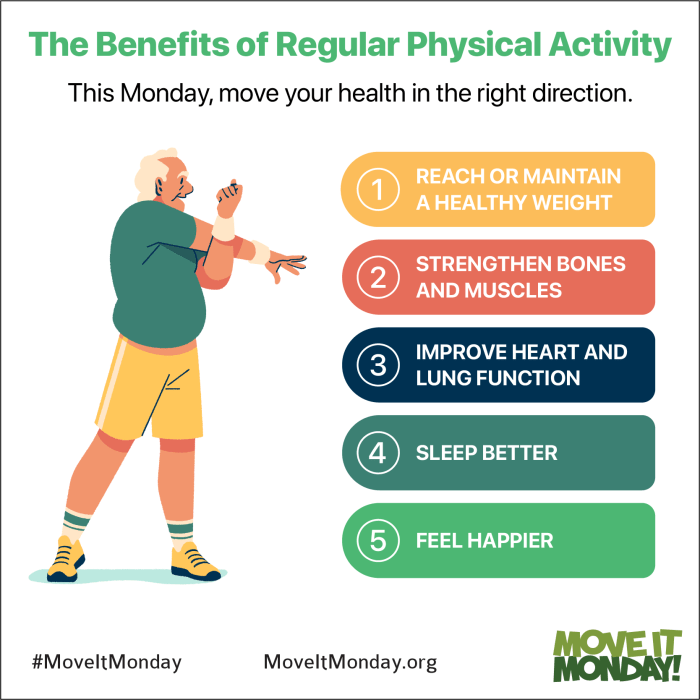
In conclusion, the significance of incorporating a variety of physical activities into our daily routines cannot be overstated. By embracing diversity in our workouts, we not only improve our physical health but also boost our mental well-being and overall quality of life.
Embrace the power of variety and witness the transformative effects it can have on your holistic well-being.
Helpful Answers
How can mixing up exercises prevent plateaus in fitness progress?
By engaging in a variety of physical activities, you challenge different muscle groups and prevent your body from adapting to a single routine, thus avoiding plateaus.
What are some examples of activities that can be included for variety in daily physical activities?
Activities like yoga, swimming, cycling, and dancing can be great additions to your workout routine to introduce variety and target different muscle groups.
How does variety in workouts enhance mental focus and clarity?
Switching up your exercises keeps your mind engaged and prevents monotony, leading to improved mental focus, clarity, and a more positive outlook.