Starting with Benefits of mindful living for stress reduction, this topic delves into the interconnected elements of balanced diet, mental wellness, physical fitness, hydration, healthy lifestyle, stress management, preventive care, quality sleep, cardio health, immune boost, positive mindset, clean eating, holistic health, emotional balance, health education, self-care, and chronic disease, all contributing to a more balanced and stress-free life.
Balanced Diet
Eating a balanced diet is crucial for mindful living and stress reduction. It provides the necessary nutrients to support mental wellness, physical fitness, emotional balance, and overall well-being.
Nutrient-Rich Foods for Mental Wellness
A diet rich in nutrients like omega-3 fatty acids, antioxidants, vitamins, and minerals can greatly benefit mental health. Foods such as fatty fish (salmon, mackerel), nuts and seeds, berries, leafy greens, and whole grains are excellent choices to support brain function and reduce stress.
Nutrient-Rich Foods for Physical Fitness
To maintain physical fitness and reduce stress, it’s important to include foods that provide energy and support muscle function. Lean proteins (chicken, turkey, tofu), complex carbohydrates (quinoa, sweet potatoes), and healthy fats (avocado, olive oil) are essential for a balanced diet that promotes physical well-being.
Emotional Balance and Well-Being
A balanced diet not only impacts physical health but also plays a significant role in emotional balance and overall well-being. Nutrient-rich foods can help regulate mood, reduce anxiety, and improve cognitive function, leading to a more stable emotional state and increased resilience to stressors.
Mental Wellness
When it comes to mental wellness, mindful living plays a crucial role in promoting a healthy mind. Mindfulness practices can significantly reduce stress levels and improve overall mental health by fostering a sense of awareness, presence, and emotional regulation.
Incorporating Mindfulness Techniques
Here are some tips on how to incorporate mindfulness techniques into your daily routine for better stress management:
- Start your day with a few minutes of meditation or deep breathing exercises to set a positive tone for the day.
- Practice mindfulness while engaging in daily activities such as eating, walking, or even washing dishes. Focus on the present moment and your senses.
- Take short breaks throughout the day to check in with yourself and practice mindfulness. This can help prevent stress from building up.
- Use mindfulness apps or guided meditations to enhance your practice and keep you on track.
- Incorporate mindfulness into your bedtime routine to promote relaxation and improve sleep quality.
Physical Fitness
Regular physical fitness plays a crucial role in reducing stress levels and promoting overall well-being. Engaging in exercise not only benefits the body but also has a positive impact on mental health by helping to maintain a positive mindset and emotional balance.
Benefits of Regular Exercise
Regular exercise has numerous benefits for both physical health and mental well-being. Some of the key advantages include:
- Reduced levels of stress hormones such as cortisol, leading to decreased feelings of anxiety and tension.
- Release of endorphins, also known as “feel-good” hormones, which can improve mood and reduce symptoms of depression.
- Improved sleep quality, which is essential for overall health and stress management.
- Enhanced self-esteem and confidence through achieving fitness goals and feeling physically strong.
Daily Activities for Physical Fitness
Incorporating daily activities that promote physical fitness can have a significant impact on stress reduction and overall health. Some examples of activities to consider include:
- Brisk walking or jogging for at least 30 minutes a day to improve cardiovascular health and boost mood.
- Strength training exercises using body weight or weights to build muscle and increase metabolism.
- Yoga or Pilates for flexibility, balance, and relaxation of both the body and mind.
- Dancing or group exercise classes for social interaction and fun while staying active.
Adequate Hydration
Maintaining adequate hydration is crucial for reducing stress and promoting overall health. Dehydration can lead to increased stress levels, fatigue, and difficulty concentrating. It is essential to understand the importance of staying hydrated throughout the day to support our bodies in managing stress effectively.
Boosting Immune Function and Nutrition Support
Proper hydration plays a key role in boosting immune function and supporting proper nutrition. When we are adequately hydrated, our body can function optimally, allowing for the efficient transport of nutrients to cells and the removal of toxins. This enhances our immune system’s ability to fight off illnesses and maintain overall well-being.
- Drinking an adequate amount of water daily can help prevent dehydration, which can weaken the immune system and make us more susceptible to illnesses.
- Hydration supports the body’s natural detoxification process, flushing out harmful substances and promoting better nutrient absorption.
- Water is essential for maintaining healthy skin, digestion, and metabolism, all of which contribute to overall well-being and stress reduction.
Healthy Lifestyle
Living a healthy lifestyle plays a crucial role in reducing stress and promoting overall well-being. By incorporating various components into our daily routines, we can create a harmonious balance that nurtures both our physical and mental health.
Nutritious Diet
- Eating a balanced diet rich in fruits, vegetables, whole grains, and lean proteins provides essential nutrients for the body to function optimally.
- Limiting processed foods, sugary drinks, and excessive caffeine intake can help stabilize mood and energy levels.
- Practicing mindful eating, such as savoring each bite and listening to hunger cues, fosters a healthy relationship with food.
Regular Exercise
- Incorporating physical activity into daily routines, such as walking, jogging, yoga, or strength training, can reduce stress hormones and promote the release of endorphins.
- Setting realistic fitness goals and varying workouts to prevent monotony can keep motivation levels high.
- Engaging in outdoor activities or group exercises can provide social support and enhance overall well-being.
Adequate Sleep
- Prioritizing quality sleep of 7-9 hours per night supports cognitive function, emotional regulation, and stress resilience.
- Establishing a consistent bedtime routine and creating a sleep-conducive environment can improve sleep quality.
- Avoiding screen time before bed and practicing relaxation techniques, such as deep breathing or meditation, can promote restful sleep.
Stress Management
Stress management is a crucial aspect of mindful living as it involves techniques and practices that help individuals cope with and reduce stress levels in their daily lives. By effectively managing stress, individuals can improve their overall well-being and lead a more balanced and harmonious life.
Techniques for Managing Stress Effectively
There are various techniques that can be employed for managing stress effectively. Among these, meditation and deep breathing are particularly popular for their calming and centering effects on the mind and body.
- Meditation: Engaging in mindfulness meditation allows individuals to focus on the present moment, letting go of worries and anxieties that contribute to stress. This practice promotes relaxation and inner peace, helping individuals cultivate a sense of calm amidst chaos.
- Deep Breathing: Deep breathing exercises are another powerful tool for managing stress. By taking slow, deep breaths, individuals can activate the body’s relaxation response, reducing tension and promoting a state of calmness.
Real-Life Examples of Stress Management Practices
Many individuals have experienced significant improvements in their well-being by incorporating stress management practices into their daily routines. These practices have helped them navigate challenging situations with greater ease and maintain a sense of balance in their lives.
Case Study: Sarah, a busy professional, struggled with high levels of stress due to work pressures. After incorporating daily meditation sessions into her routine, she noticed a significant reduction in her stress levels and an overall improvement in her mental well-being.
Personal Experience: John, a college student dealing with exam stress, found deep breathing exercises to be incredibly helpful in calming his nerves and improving his focus during study sessions. This simple practice helped him manage his stress and perform better academically.
Preventive Care
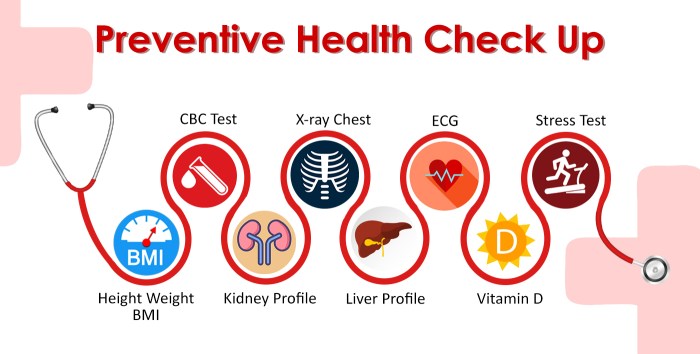
Preventive care plays a crucial role in maintaining overall health and reducing stress. By taking proactive measures to prevent illnesses and diseases, individuals can enjoy a higher quality of life and lower their stress levels.
Regular Check-ups and Screenings, Benefits of mindful living for stress reduction
Regular check-ups and screenings are essential components of preventive care as they help in early detection and prevention of chronic diseases. By monitoring key health indicators through routine examinations, individuals can address potential health issues before they escalate, leading to a healthier and less stressful life.
- Attend annual physical exams to assess overall health and identify any underlying conditions.
- Get regular screenings for conditions such as high blood pressure, cholesterol levels, and diabetes to monitor and manage risk factors.
- Participate in age-appropriate screenings such as mammograms, colonoscopies, and prostate exams to detect cancer early on.
Incorporating Preventive Care into Daily Routines
Integrating preventive care measures into daily routines is key to long-term well-being and stress reduction. By making health-conscious choices on a regular basis, individuals can proactively safeguard their health and mitigate the impact of potential illnesses.
- Establish a consistent exercise routine to improve cardiovascular health and strengthen the immune system.
- Follow a balanced diet rich in fruits, vegetables, whole grains, and lean proteins to support overall health and reduce the risk of chronic diseases.
- Prioritize mental wellness through mindfulness practices, stress management techniques, and adequate rest to enhance emotional resilience and reduce stress levels.
- Stay hydrated by drinking an adequate amount of water throughout the day to support bodily functions and maintain optimal health.
Quality Sleep
Quality sleep plays a crucial role in stress reduction and overall well-being. When we get enough restful sleep, our bodies and minds are better equipped to handle daily stressors, leading to improved cognitive function and emotional balance.
Impact of Proper Sleep
Proper sleep has a profound impact on cognitive function, as it allows our brains to process information efficiently and effectively. When we are well-rested, we can think clearly, make better decisions, and focus more easily. Additionally, quality sleep promotes emotional balance by regulating our mood and reducing irritability and anxiety.
- Establish a bedtime routine: Create a relaxing bedtime routine to signal your body that it’s time to wind down and prepare for sleep.
- Avoid screens before bed: The blue light emitted by screens can disrupt your body’s natural sleep-wake cycle, so try to limit screen time before bedtime.
- Create a comfortable sleep environment: Ensure your bedroom is conducive to sleep by keeping it dark, quiet, and at a comfortable temperature.
- Avoid caffeine and heavy meals before bed: Consuming caffeine or large meals close to bedtime can interfere with your ability to fall asleep and stay asleep.
- Practice relaxation techniques: Engage in relaxation techniques such as deep breathing, meditation, or gentle yoga before bed to calm your mind and body.
Cardio Health
Regular cardiovascular exercise plays a crucial role in reducing stress levels and improving heart health. By engaging in cardio workouts, individuals can experience a wide range of benefits that contribute to their overall well-being.
Benefits of Cardiovascular Exercise
- Improves Mood: Cardio workouts have been shown to release endorphins, also known as “feel-good” hormones, which can help elevate mood and reduce feelings of stress and anxiety.
- Promotes Positive Mindset: Engaging in regular cardio exercise can enhance cognitive function and promote a positive mindset, leading to better stress management and overall mental well-being.
- Enhances Heart Health: Cardiovascular exercises strengthen the heart muscle, improve circulation, and reduce the risk of heart disease, ultimately promoting a healthier cardiovascular system.
Effective Cardio Exercises for Stress Management
- Running or Jogging: These high-impact exercises are great for boosting cardiovascular health and releasing pent-up stress and tension.
- Cycling: Whether indoor or outdoor, cycling is an effective way to improve heart health, reduce stress, and enhance overall well-being.
- Dancing: Dancing not only provides a fun and engaging cardio workout but also helps improve mood and reduce stress levels.
- Swimming: Swimming is a low-impact exercise that can help alleviate stress, improve cardiovascular fitness, and promote relaxation.
Immune Boost
Mindful living can have a significant impact on strengthening the immune system. By incorporating mindfulness practices into daily routines, individuals can reduce stress levels, which in turn can enhance immune function. A healthy immune system is crucial for overall well-being and can help the body fight off illnesses and infections more effectively.
Lifestyle Factors for Immune Support
- Consuming a balanced diet rich in fruits, vegetables, whole grains, and lean proteins can provide essential nutrients that support immune function.
- Engaging in regular physical activity can help boost circulation and promote immune system efficiency.
- Practicing stress-reducing activities such as meditation, deep breathing exercises, or yoga can lower cortisol levels and improve immune response.
- Getting an adequate amount of quality sleep each night is essential for immune system maintenance and repair.
- Staying hydrated by drinking plenty of water throughout the day can help flush out toxins and support immune system function.
Positive Mindset: Benefits Of Mindful Living For Stress Reduction
Having a positive mindset is crucial for reducing stress and improving overall well-being. It involves cultivating a mental attitude that focuses on the good in every situation, rather than dwelling on the negative aspects. By adopting a positive mindset, individuals can better cope with life’s challenges and reduce feelings of anxiety and stress.
Importance of Cultivating a Positive Mindset
Maintaining a positive mindset can lead to improved emotional balance, increased resilience, and enhanced overall mental health. When faced with stressful situations, individuals with a positive outlook are better equipped to handle adversity and find solutions to problems. This optimistic approach can also improve relationships, boost self-esteem, and increase feelings of happiness and fulfillment.
- Practice gratitude: Take time each day to reflect on the things you are grateful for. This simple practice can shift your focus from what is lacking to what is abundant in your life.
- Affirmations: Repeat positive affirmations to yourself regularly to challenge negative thoughts and beliefs. Affirmations can help rewire your brain to think more positively and boost self-confidence.
- Mindfulness meditation: Engaging in mindfulness meditation can help you become more aware of your thoughts and emotions without judgment. This practice can promote a sense of calm and clarity, leading to a more positive outlook on life.
- Surround yourself with positivity: Spend time with supportive and uplifting individuals who radiate positivity. Their optimism and encouragement can help you maintain a positive mindset even during challenging times.
Clean Eating
Eating clean involves consuming whole, unprocessed foods that are rich in nutrients and free from additives or artificial ingredients. This approach to nutrition focuses on fueling the body with foods that promote overall well-being and support optimal health.
Benefits of Clean Eating for Stress Management
- Improved Mental Clarity: Clean eating can help enhance cognitive function and mental clarity, reducing brain fog and enhancing focus and productivity.
- Increased Energy Levels: Consuming whole foods rich in vitamins, minerals, and antioxidants can provide sustained energy throughout the day, reducing fatigue and boosting overall vitality.
- Enhanced Mood: Nutrient-dense foods can help stabilize blood sugar levels and support the production of neurotransmitters that regulate mood, promoting emotional well-being and reducing stress.
Incorporating Clean Eating into Mindful Living
- Plan and Prepare: Set aside time to plan and prepare meals using fresh, whole ingredients to avoid the temptation of processed or convenience foods.
- Focus on Whole Foods: Prioritize foods in their natural state, such as fruits, vegetables, whole grains, lean proteins, and healthy fats, to maximize nutrient intake and support overall health.
- Stay Hydrated: Drink an adequate amount of water throughout the day to support digestion, nutrient absorption, and overall well-being.
- Practice Mindful Eating: Slow down, savor each bite, and pay attention to hunger and fullness cues to foster a healthy relationship with food and prevent overeating.
Holistic Health
Holistic health is a concept that emphasizes the importance of addressing all aspects of an individual’s well-being in order to achieve overall health and wellness. This approach recognizes that physical, emotional, and mental health are interconnected and influence each other.
When it comes to stress reduction, holistic health plays a crucial role in providing a comprehensive framework for managing and alleviating stress.
Physical, Emotional, and Mental Well-being
Holistic health focuses on addressing physical, emotional, and mental well-being as interconnected components of overall health. By taking a holistic approach to health, individuals can better understand the root causes of their stress and develop strategies to manage it effectively.
Physical well-being can be supported through activities such as regular exercise, balanced nutrition, and adequate sleep. Emotional well-being can be nurtured through practices like mindfulness, self-care, and seeking support from loved ones. Mental well-being can be fostered through activities like meditation, therapy, and engaging in hobbies that bring joy and fulfillment.
Holistic Practices for Stress Reduction
- Yoga and meditation: These practices promote relaxation, mindfulness, and stress relief by combining physical movement with mental focus.
- Acupuncture and acupressure: Traditional Chinese medicine practices that aim to restore balance and promote healing through the stimulation of specific points on the body.
- Aromatherapy: The use of essential oils to support emotional well-being and reduce stress through the sense of smell.
- Herbal remedies and supplements: Natural remedies such as adaptogenic herbs and vitamins that can help the body adapt to stress and support overall health.
- Energy healing therapies: Practices like Reiki and crystal healing that focus on balancing the body’s energy centers to promote relaxation and stress reduction.
Mindful Living
Mindful living involves being fully present and aware of your thoughts, feelings, and surroundings without judgment. This practice can have numerous benefits, especially when it comes to reducing stress and anxiety in daily life.
Benefits of Mindful Living for Stress Reduction
Practicing mindfulness can help individuals stay focused on the present moment, allowing them to let go of worries about the past or future that often contribute to stress. By cultivating a non-judgmental awareness of their thoughts and emotions, individuals can learn to respond to challenging situations with greater clarity and calmness.
- Begin your day with a few minutes of mindful breathing or meditation to set a positive tone for the day.
- Practice mindfulness while engaging in daily activities such as eating, walking, or even washing dishes. Focus on the sensations, smells, and tastes in the present moment.
- Take short mindfulness breaks throughout the day to check in with yourself and recenter your thoughts and emotions.
- Incorporate mindfulness into your bedtime routine to help calm the mind and promote a restful night’s sleep.
Emotional Balance
Emotional balance plays a crucial role in managing stress and improving overall mental well-being. When our emotions are in check, we can better handle life’s challenges and maintain a sense of calmness.Mindfulness techniques are effective tools for regulating emotions and achieving emotional balance.
By practicing mindfulness, individuals can become more aware of their emotions, observe them without judgment, and choose how to respond effectively. This can lead to reduced stress, anxiety, and overall improved emotional well-being.
Activities to Promote Emotional Balance
- Practice deep breathing exercises to calm the mind and body.
- Engage in regular physical activity to release endorphins and boost mood.
- Journaling to express and process emotions in a healthy way.
- Connect with loved ones for social support and emotional connection.
- Try meditation or yoga to promote relaxation and emotional clarity.
Health Education
Health education plays a crucial role in promoting mindful living and reducing stress. By educating oneself about nutrition, fitness, and mental health, individuals can make informed decisions that lead to better stress management and overall well-being.
Importance of Health Education
Health education empowers individuals to take control of their well-being by providing them with the knowledge and tools to make healthy choices. Understanding the impact of nutrition, fitness, and mental health on stress levels can help individuals proactively manage their stress and live a more balanced life.
- Learning about nutrition: Health education can help individuals understand the importance of a balanced diet in managing stress. By knowing which foods can help reduce stress levels and promote overall health, individuals can make better dietary choices.
- Embracing fitness: Educating oneself about the benefits of physical activity on mental health can motivate individuals to incorporate regular exercise into their routine. Exercise is known to reduce stress and improve mood, leading to better stress management.
- Prioritizing mental health: Health education can raise awareness about the importance of mental well-being in stress reduction. By learning about mindfulness techniques, relaxation exercises, and seeking professional help when needed, individuals can better cope with stress and maintain emotional balance.
Self-Care
Self-care is a crucial aspect of mindful living that plays a significant role in reducing stress levels and enhancing overall well-being. By prioritizing self-care practices, individuals can better cope with daily challenges, improve their mental health, and foster a sense of balance in their lives.
Relaxation Techniques
- Engage in deep breathing exercises to calm the mind and body.
- Practice mindfulness meditation to increase self-awareness and reduce anxiety.
- Enjoy a warm bath or indulge in a relaxing massage to unwind and release tension.
Hobbies
- Find activities that bring joy and fulfillment, such as painting, gardening, or playing a musical instrument.
- Spend time outdoors in nature to rejuvenate and connect with the environment.
- Read a good book, watch a movie, or engage in creative pursuits to relax and recharge.
Self-Reflection
- Journal your thoughts and feelings to gain insight into your emotions and behaviors.
- Practice gratitude by focusing on the positive aspects of your life and expressing appreciation.
- Set boundaries and learn to say no to activities or people that drain your energy and affect your well-being.
Chronic Disease
Chronic diseases have a significant impact on stress levels and overall health. These conditions, such as heart disease, diabetes, and autoimmune disorders, often require long-term management and can cause physical, emotional, and financial strain on individuals.
Role of Preventive Measures and Healthy Lifestyle Choices
Preventive measures and healthy lifestyle choices play a crucial role in managing chronic conditions. By adopting habits like regular exercise, balanced nutrition, stress management techniques, and avoiding harmful substances like tobacco and excessive alcohol, individuals can reduce their risk of developing chronic diseases and improve their overall well-being.
- Regular exercise can help control weight, boost immunity, and improve cardiovascular health, reducing the risk of conditions like heart disease and diabetes.
- A balanced diet rich in fruits, vegetables, whole grains, and lean proteins can provide essential nutrients and support overall health, reducing inflammation and improving immune function.
- Practicing stress management techniques such as mindfulness, meditation, and yoga can help lower stress levels, which can exacerbate chronic conditions and impact overall health.
- Avoiding harmful substances like tobacco and excessive alcohol can reduce the risk of developing conditions like lung cancer, liver disease, and cardiovascular issues.
How Mindful Living Can Help
Mindful living can help individuals cope with chronic diseases and reduce associated stress by promoting self-awareness, stress reduction, and emotional balance. By being present in the moment, practicing gratitude, and maintaining a positive mindset, individuals can better manage their symptoms, improve their quality of life, and reduce the impact of chronic conditions on their overall well-being.
Last Point
In conclusion, adopting mindful living practices can lead to a more harmonious and stress-free existence by encompassing various aspects of well-being. By focusing on these key areas, individuals can enhance their overall quality of life and reduce stress levels effectively.
FAQ Summary
How can a balanced diet help with stress reduction?
Eating nutrient-rich foods can support mental wellness and emotional balance, leading to reduced stress levels.
What are some practical tips for incorporating mindfulness into daily routines?
Simple practices like meditation, deep breathing, and mindful eating can help reduce stress and improve mental health.
Why is quality sleep important for stress management?
Quality sleep enhances cognitive function, emotional balance, and overall well-being, making it crucial for effective stress reduction.