
With How to use preventive care to reduce healthcare costs at the forefront, this paragraph opens a window to an amazing start and intrigue, inviting readers to embark on a storytelling journey filled with unexpected twists and insights.
In today’s fast-paced world, the rising healthcare costs have become a major concern for individuals and families. It’s essential to explore preventive care strategies that not only promote overall well-being but also help in reducing healthcare expenses. This guide will delve into various aspects of preventive care, from balanced diets to mental wellness, physical fitness, and more, offering practical tips and insights on how to navigate the healthcare landscape cost-effectively.
Balanced Diet
Eating a balanced diet is crucial in preventive care to reduce healthcare costs. By providing the body with essential nutrients, a balanced diet supports overall health and well-being, helping to prevent various illnesses and diseases.
Nutrient-Rich Foods
Including nutrient-rich foods in your diet is essential for maintaining good health. Examples of such foods include:
- Fruits and vegetables: packed with vitamins, minerals, and antioxidants
- Whole grains: a great source of fiber and energy
- Lean proteins: such as fish, poultry, and beans for muscle health
- Dairy or dairy alternatives: for calcium and vitamin D
Preventing Chronic Diseases
A balanced diet plays a significant role in preventing chronic diseases such as heart disease, diabetes, and certain types of cancer. By consuming a variety of nutrient-rich foods, you can help lower your risk of developing these conditions and promote long-term health.
Mental Wellness
Maintaining good mental wellness is crucial in reducing healthcare costs through preventive care. A positive mindset not only improves overall health but also helps in avoiding costly medical treatments that may arise from stress-related illnesses.
Strategies for Maintaining a Positive Mindset
- Practice mindfulness and meditation to reduce stress and anxiety levels.
- Engage in regular physical exercise to boost endorphins and improve mood.
- Connect with loved ones and build a strong support system for emotional well-being.
- Prioritize self-care activities such as hobbies, relaxation, and adequate sleep.
Impact of Stress Management on Mental Wellness and Healthcare Expenses
Chronic stress can lead to various mental health issues such as depression, anxiety, and burnout, which in turn can increase healthcare costs due to the need for therapy, medication, or hospitalization. By effectively managing stress through techniques like exercise, meditation, and therapy, individuals can prevent these conditions and reduce the financial burden associated with treating mental health disorders.
Physical Fitness
Regular exercise plays a crucial role in preventive care by promoting overall health and reducing healthcare costs. Physical fitness helps in maintaining a healthy weight, improving cardiovascular health, boosting mood, and enhancing energy levels.
Examples of Daily Activities for Physical Fitness
- Brisk walking or jogging
- Swimming
- Biking
- Dancing
- Yoga or Pilates
Connection Between Physical Fitness and Cardiovascular Health
Regular physical activity strengthens the heart muscle, improves circulation, and lowers blood pressure. It also helps in reducing the risk of heart disease, stroke, and other cardiovascular conditions. Engaging in activities that elevate the heart rate, such as running or cycling, can have a positive impact on overall cardiovascular health.
Adequate Hydration: How To Use Preventive Care To Reduce Healthcare Costs
Maintaining adequate hydration is crucial for overall health and plays a significant role in preventive care. Proper hydration supports various bodily functions and can help prevent a range of health issues.
Importance of Adequate Hydration
- Water is essential for regulating body temperature, aiding digestion, and transporting nutrients throughout the body.
- Staying hydrated can help prevent headaches, fatigue, and improve cognitive function.
- Proper hydration supports joint health and can contribute to healthy skin.
Tips for Staying Hydrated
- Carry a reusable water bottle with you throughout the day as a reminder to drink water regularly.
- Flavor water with fruits or herbs to make it more enjoyable and increase your intake.
- Set reminders on your phone or use apps to track your water consumption and ensure you are meeting your daily hydration goals.
Relationship between Hydration and Immune Health
- Adequate hydration supports the proper function of the immune system by helping to flush out toxins and waste products from the body.
- Dehydration can weaken the immune system, making you more susceptible to infections and illnesses.
- Drinking enough water can help maintain mucous membranes that act as a barrier to pathogens entering the body.
Healthy Lifestyle
Living a healthy lifestyle involves making conscious choices that benefit your physical, mental, and emotional well-being. By incorporating healthy habits into your daily routine, you can significantly lower healthcare costs and improve your overall quality of life.
Regular Exercise
Regular exercise is a key component of a healthy lifestyle. It not only helps you maintain a healthy weight but also reduces the risk of chronic diseases such as heart disease, diabetes, and certain types of cancer. By incorporating physical activity into your daily routine, whether it’s going for a walk, doing yoga, or hitting the gym, you can improve your overall health and reduce healthcare costs in the long run.
Healthy Eating Habits
Eating a balanced diet rich in fruits, vegetables, whole grains, and lean proteins is essential for maintaining a healthy lifestyle. By avoiding processed foods high in sugar, salt, and unhealthy fats, you can lower your risk of developing obesity, high blood pressure, and other diet-related conditions.
Making healthy food choices can lead to a stronger immune system, better digestion, and overall improved health, ultimately reducing the need for costly medical interventions.
Stress Management
Chronic stress can have a significant impact on both your physical and mental health. Incorporating stress-reducing activities such as meditation, deep breathing exercises, or spending time in nature can help lower cortisol levels and reduce the risk of stress-related illnesses.
By managing stress effectively, you can improve your overall well-being and lower healthcare costs associated with conditions like anxiety, depression, and hypertension.
Sleep Hygiene
Quality sleep is essential for overall health and well-being. By practicing good sleep hygiene habits such as maintaining a consistent sleep schedule, creating a relaxing bedtime routine, and ensuring your sleep environment is conducive to rest, you can improve your sleep quality and reduce the risk of chronic conditions like obesity, diabetes, and heart disease.
Prioritizing sleep can lead to better cognitive function, mood regulation, and overall health, ultimately lowering healthcare costs in the long term.
Preventive Care
Preventive care is a crucial aspect of healthcare that focuses on preventing illnesses or diseases before they occur, ultimately reducing healthcare costs in the long run. By taking proactive measures to maintain good health and prevent potential health issues, individuals can avoid expensive medical treatments and interventions.
Preventive Care Measures
- Adopting a healthy diet rich in fruits, vegetables, whole grains, and lean proteins can boost the immune system and reduce the risk of chronic diseases.
- Engaging in regular physical activity helps maintain a healthy weight, improve cardiovascular health, and reduce the risk of conditions like diabetes and hypertension.
- Getting an adequate amount of sleep each night is essential for overall health and well-being, as it allows the body to repair and rejuvenate itself.
- Practicing stress-reducing techniques such as meditation, yoga, or deep breathing exercises can help manage stress levels and improve mental wellness.
- Avoiding harmful habits like smoking, excessive alcohol consumption, and drug use can significantly reduce the risk of developing various health problems.
Regular Health Check-ups
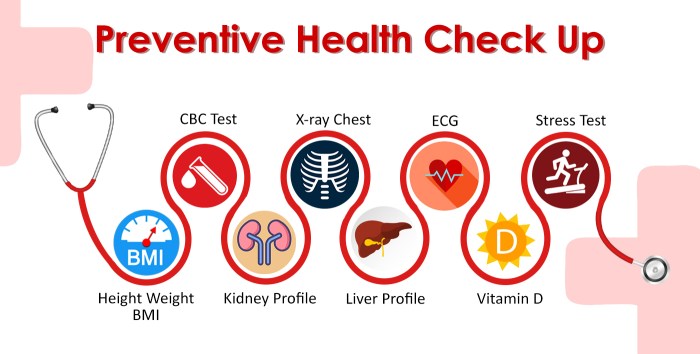
Regular health check-ups are a vital component of preventive care, as they allow healthcare providers to detect potential health issues early on and implement necessary interventions. These check-ups may include screenings for conditions like high blood pressure, cholesterol levels, diabetes, and cancer.
By monitoring key health indicators regularly, individuals can address any concerns promptly and prevent serious health complications down the line.
Quality Sleep
Quality sleep plays a vital role in preventive care and reducing healthcare expenses. Getting enough restful sleep not only helps improve overall health but also boosts immunity, enhances cognitive function, and promotes emotional well-being.
Tips for Improving Sleep Quality and Quantity
- Avoid caffeine, nicotine, and heavy meals close to bedtime.
- Create a relaxing bedtime routine to signal your body that it’s time to wind down.
- Keep your bedroom dark, quiet, and at a comfortable temperature.
- Avoid screen time before bed and try to limit exposure to blue light from devices.
- Establish a consistent sleep schedule by going to bed and waking up at the same time every day.
The Link Between Sleep and Overall Health
Quality sleep is essential for the body to repair and rejuvenate itself. Lack of proper sleep has been linked to various health issues such as obesity, heart disease, diabetes, and mental health disorders. Adequate rest allows the body to regulate hormones, repair tissues, and support overall well-being.
Cardio Health
Maintaining cardiovascular health is crucial in reducing healthcare costs as it helps prevent a wide range of heart-related diseases and conditions. By keeping your heart healthy, you can lower the risk of heart attacks, strokes, and other cardiovascular issues that may require expensive treatments and interventions.
Exercises for Heart Health
Regular aerobic exercises such as running, swimming, cycling, and brisk walking are great for promoting heart health. These exercises help strengthen the heart muscle, improve circulation, and lower blood pressure. Aim for at least 150 minutes of moderate-intensity aerobic activity per week to keep your heart in top shape.
Importance of Monitoring Heart Health
Regular check-ups and screenings are essential for monitoring and maintaining a healthy heart. Keep track of your blood pressure, cholesterol levels, and overall heart health to catch any potential issues early on. By staying proactive and taking care of your heart, you can prevent costly heart-related complications in the future.
Immune Boost
Boosting the immune system is crucial in reducing healthcare costs as a strong immune system can help prevent various illnesses and infections, ultimately leading to fewer doctor visits, medications, and hospitalizations.
Natural Ways to Strengthen the Immune System
- A balanced diet rich in fruits, vegetables, whole grains, and lean proteins can provide essential nutrients to support immune function.
- Regular exercise can help improve immune function and reduce the risk of chronic diseases.
- Getting an adequate amount of quality sleep is essential for a healthy immune system.
- Managing stress levels through activities like yoga, meditation, or deep breathing can also boost immunity.
- Staying hydrated by drinking enough water throughout the day is important for overall health and immune function.
Impact of a Strong Immune System on Preventing Illnesses
A strong immune system plays a vital role in preventing illnesses by effectively fighting off pathogens such as bacteria, viruses, and other harmful substances. By boosting the immune system, the body can better defend itself against infections, reducing the likelihood of falling ill and requiring medical intervention.
Clean Eating
Eating clean refers to consuming whole, unprocessed foods in their most natural state. This approach to nutrition can have significant benefits when it comes to preventive care and reducing healthcare costs.Clean eating can help improve overall health by providing essential nutrients and reducing the intake of unhealthy fats, sugars, and chemicals found in processed foods.
By focusing on whole foods like fruits, vegetables, lean proteins, and whole grains, individuals can support their immune system, maintain a healthy weight, and reduce the risk of chronic diseases.
Benefits of Clean Eating
- Improved Digestion: Whole foods are easier for the body to digest, leading to better nutrient absorption and a healthier gut.
- Weight Management: Clean eating can support weight loss and maintenance by providing nutrient-dense foods that keep you full and satisfied.
- Reduced Inflammation: Processed foods can contribute to inflammation in the body, while whole foods can help reduce inflammation and lower the risk of inflammatory conditions.
- Enhanced Energy Levels: Nutrient-rich foods can provide sustained energy throughout the day, without the crashes associated with sugary or processed foods.
Examples of Clean Eating Habits
- Choosing whole fruits and vegetables over canned or processed versions.
- Opting for lean proteins like chicken, fish, and legumes instead of processed meats.
- Selecting whole grains like quinoa, brown rice, and oats instead of refined grains like white bread and pasta.
- Limiting added sugars and opting for natural sweeteners like honey or maple syrup.
Prevention of Chronic Diseases
Clean eating can play a crucial role in preventing chronic diseases such as heart disease, diabetes, and certain types of cancer. By fueling the body with nutrient-dense foods and avoiding processed ingredients, individuals can reduce their risk factors and promote long-term health and well-being.
Holistic Health
Holistic health is an approach to healthcare that considers the whole person
- body, mind, spirit, and emotions
- in the quest for optimal well-being. By addressing all aspects of an individual’s health, holistic health aims to promote balance and harmony, ultimately reducing healthcare costs by preventing illness and promoting overall wellness.
Holistic Practices for Overall Well-being, How to use preventive care to reduce healthcare costs
- Yoga and meditation: These practices help reduce stress, improve mental clarity, and promote emotional well-being.
- Acupuncture and acupressure: Traditional Chinese practices that can help alleviate pain and improve energy flow in the body.
- Herbal medicine and aromatherapy: Natural remedies that can support physical health and enhance emotional balance.
Benefits of Integrating Holistic Health Approaches
- Prevention of chronic diseases: By addressing underlying imbalances, holistic health practices can help prevent the development of chronic conditions.
- Improved quality of life: Holistic practices promote overall well-being, leading to better physical, mental, and emotional health.
- Cost-effective healthcare: By focusing on prevention and wellness, holistic health approaches can reduce the need for expensive medical treatments.
Mindful Living
Living mindfully plays a crucial role in preventive care and reducing healthcare costs. By being present in the moment and paying attention to our thoughts, feelings, and surroundings, we can better manage stress, improve our overall well-being, and prevent health issues before they escalate.
Techniques for Practicing Mindfulness
- Start your day with a few minutes of deep breathing or meditation to set a positive tone.
- Avoid multitasking and focus on one task at a time to enhance concentration.
- Practice mindful eating by savoring each bite and paying attention to the flavors and textures.
- Take short breaks throughout the day to check in with yourself and assess your mental and emotional state.
Impact of Mindfulness on Health
Mindfulness has been shown to reduce stress, anxiety, and depression levels, leading to improved mental health. It can also lower blood pressure, boost immune function, and promote better sleep patterns, thus positively impacting physical health.
Emotional Balance
Emotional balance plays a crucial role in reducing healthcare costs through preventive care. When individuals are emotionally balanced, they are better equipped to handle stress, anxiety, and other mental health issues, leading to a healthier overall lifestyle. This can result in fewer doctor visits, decreased reliance on medications, and a lower risk of developing chronic conditions.
Strategies for Achieving Emotional Balance and Resilience
- Practice mindfulness and meditation to stay present and reduce stress levels.
- Engage in regular physical activity to release endorphins and boost mood.
- Seek support from friends, family, or a therapist to process emotions and build resilience.
- Establish healthy boundaries to prevent emotional burnout and maintain balance in relationships.
- Cultivate hobbies and interests that bring joy and fulfillment to your life.
Connection Between Emotions and Overall Well-being
Emotions have a profound impact on our physical health and well-being. Chronic stress, anxiety, or unresolved emotional issues can manifest in physical symptoms and contribute to the development of various health conditions. By addressing emotional imbalances and prioritizing mental wellness, individuals can enhance their overall quality of life and reduce the need for extensive medical interventions.
Health Education
Health education plays a crucial role in preventive care by empowering individuals with the knowledge and skills needed to make informed decisions about their health. By raising awareness about healthy lifestyle choices, disease prevention, and the importance of regular check-ups, health education can help individuals adopt proactive measures to maintain their well-being and prevent costly medical interventions.
Significance of Health Education
Health education equips individuals with the information they need to take charge of their health and well-being. By promoting preventive measures such as vaccinations, screenings, and healthy habits, health education can help reduce the incidence of diseases and minimize the need for expensive medical treatments.
Moreover, it empowers individuals to make informed decisions about their healthcare, leading to better health outcomes and lower healthcare costs in the long run.
Examples of Health Education Programs
- The National Diabetes Prevention Program (NDPP) offers lifestyle change programs to prevent or delay the onset of type 2 diabetes through education on diet, exercise, and weight management.
- The CDC’s Learn the Signs. Act Early. program provides resources and tools to educate parents and caregivers about early developmental milestones in children to promote early intervention and support.
- The American Heart Association’s Heart360 program offers online tools and resources to educate individuals about cardiovascular health, risk factors, and preventive measures to reduce the incidence of heart disease.
Impact of Health Literacy
Health literacy, or the ability to understand and use health information to make informed decisions, is essential in the context of preventive care. Individuals with low health literacy may struggle to comprehend medical instructions, navigate the healthcare system, or advocate for their own health needs.
This can lead to misunderstandings, missed appointments, and ineffective self-care practices, ultimately impacting health outcomes and contributing to higher healthcare costs.
Self-Care
Self-care plays a crucial role in preventive care by empowering individuals to take charge of their own health and well-being. It involves practices and activities that promote physical, mental, and emotional wellness, ultimately leading to a healthier lifestyle and reduced healthcare costs.
Benefits of Self-Care
- Regular self-care routines can help reduce stress levels, improve mental clarity, and boost overall mood.
- Engaging in self-care activities like mindfulness meditation, yoga, or journaling can enhance emotional resilience and coping mechanisms.
- Prioritizing self-care leads to better self-awareness, allowing individuals to recognize early signs of health issues and seek timely medical attention.
- Healthy self-care practices such as proper nutrition, regular exercise, and quality sleep can prevent chronic diseases and reduce the need for extensive medical interventions.
Chronic Disease
Preventive care plays a crucial role in managing and preventing chronic diseases. By taking proactive measures to maintain overall health and well-being, individuals can significantly reduce the risk of developing chronic conditions. This not only leads to a better quality of life but also has a positive impact on healthcare costs and resources.
Benefits of Preventive Care for Chronic Disease Management
- Regular health screenings can help in early detection of risk factors and conditions, allowing for timely intervention and treatment.
- Maintaining a balanced diet and regular exercise routine can help in managing conditions such as diabetes, hypertension, and obesity.
- Practicing stress management techniques and mindfulness can reduce the impact of chronic stress on the body, lowering the risk of heart disease and other related conditions.
- Getting adequate sleep and staying hydrated are essential in supporting the immune system and overall health, reducing susceptibility to chronic illnesses.
Economic Impact of Preventive Care on Chronic Diseases
- Preventive care measures are cost-effective in the long run, as they help in avoiding expensive medical treatments and hospitalizations associated with chronic diseases.
- By focusing on prevention rather than treatment, healthcare resources can be allocated more efficiently, benefiting both individuals and the healthcare system as a whole.
- Reducing the prevalence of chronic conditions through preventive care can lead to a healthier population, resulting in increased productivity and reduced burden on the economy.
Wrap-Up
In conclusion, incorporating preventive care measures into your daily routine can not only lead to a healthier lifestyle but also significantly reduce healthcare costs in the long run. By prioritizing your well-being through strategies like balanced diets, mental wellness practices, and regular exercise, you can take proactive steps towards a healthier future while saving on healthcare expenses.
Remember, a stitch in time saves nine, and investing in preventive care today can pave the way for a brighter and cost-effective tomorrow.
Q&A
How often should I schedule health check-ups for preventive care?
It is recommended to have annual check-ups to monitor your health status and detect any potential issues early on.
Can preventive care measures really help in reducing healthcare costs?
Absolutely. By focusing on preventive care strategies like maintaining a healthy lifestyle, you can lower the risk of developing chronic conditions, thus reducing healthcare expenses in the long term.
Is mental wellness as important as physical fitness in preventive care?
Yes, mental wellness plays a crucial role in overall health. Strategies like stress management and positive mindset maintenance are essential for preventive care and cost reduction.