Importance of exercise for individuals with chronic diseases sets the stage for this enthralling narrative, offering readers a glimpse into a story that is rich in detail and brimming with originality. In today’s fast-paced world, understanding the crucial role of exercise in managing chronic diseases is paramount for overall well-being.
As we delve deeper into the significance of exercise for individuals with chronic conditions, we uncover a wealth of benefits that go beyond physical health, touching on mental wellness, emotional balance, and holistic health practices.
Balanced Diet
Regular exercise is essential for individuals with chronic diseases, but it should be complemented with a balanced diet to maximize health benefits and manage the condition effectively. A balanced diet provides the necessary nutrients and energy to support the body’s functions, improve immune response, and aid in recovery and maintenance of overall health.
Nutrient-Rich Foods for Chronic Conditions
A balanced diet for individuals with chronic diseases should include nutrient-rich foods such as fruits, vegetables, whole grains, lean proteins, and healthy fats. These foods provide essential vitamins, minerals, antioxidants, and fiber that can help reduce inflammation, regulate blood sugar levels, lower cholesterol, and support heart health.
For example, leafy greens like spinach and kale are rich in vitamin K, which is important for bone health and blood clotting. Salmon and other fatty fish are high in omega-3 fatty acids, beneficial for heart health and reducing inflammation.
Contribution of Balanced Diet to Well-Being, Importance of exercise for individuals with chronic diseases
A balanced diet plays a crucial role in managing chronic diseases by supporting overall well-being. By consuming a variety of nutrient-dense foods, individuals can improve their energy levels, enhance mental clarity, and maintain a healthy weight. Additionally, a balanced diet can help reduce the risk of complications associated with chronic conditions, such as cardiovascular diseases, diabetes, and hypertension.
Proper nutrition can also boost the effectiveness of medications and treatments, leading to better outcomes and quality of life for individuals with chronic diseases.
Mental Wellness
Regular exercise plays a crucial role in promoting mental wellness for individuals managing chronic diseases. Physical activity has been shown to have a positive impact on mental health, helping to alleviate symptoms of stress, anxiety, and depression commonly experienced by those with chronic conditions.
Benefits of Exercise for Mental Health
Regular physical activity can significantly reduce stress levels in individuals with chronic diseases. Engaging in exercise prompts the body to release endorphins, commonly known as “feel-good” hormones, which can help improve mood and reduce feelings of anxiety and depression. Additionally, physical activity can act as a form of distraction, allowing individuals to focus on the activity at hand rather than their worries or negative thoughts.
- Exercise can help improve self-esteem and confidence, providing a sense of accomplishment and empowerment to those managing chronic diseases.
- Physical activity can enhance cognitive function and memory, which is particularly beneficial for individuals dealing with conditions that may affect brain health.
- Regular exercise promotes better sleep patterns, which are essential for overall mental well-being and can help individuals better cope with the challenges of their chronic disease.
Physical Fitness
Regular exercise plays a crucial role in maintaining physical fitness for individuals with chronic diseases. It offers a wide range of benefits that can enhance overall well-being and quality of life.
Suitable Exercises for Different Chronic Conditions
- For individuals with cardiovascular diseases, aerobic exercises like walking, swimming, or cycling can help improve heart health and endurance.
- Patients with diabetes can benefit from a combination of aerobic exercises and strength training to manage blood sugar levels and increase insulin sensitivity.
- Those with arthritis can engage in low-impact activities such as yoga, tai chi, or water aerobics to improve flexibility, reduce pain, and strengthen muscles around the joints.
- People with respiratory conditions like asthma or COPD can benefit from breathing exercises, walking, or gentle yoga to improve lung function and reduce shortness of breath.
Impact on Physical Fitness
Regular exercise not only helps individuals with chronic diseases manage their symptoms but also improves their overall physical fitness. It can increase muscle strength, flexibility, and endurance, leading to better balance, coordination, and mobility. By incorporating suitable exercises into their routine, individuals can experience enhanced energy levels, reduced fatigue, and an improved sense of well-being.
Adequate Hydration
Staying hydrated is crucial for individuals with chronic diseases who engage in regular exercise. Proper hydration can support the body’s functions and play a significant role in managing chronic conditions.
Importance of Adequate Hydration
Hydration is essential for regulating body temperature, lubricating joints, and aiding in nutrient transportation. For individuals with chronic diseases, staying hydrated during exercise can help prevent complications and improve overall well-being.
- Adequate hydration supports cardiovascular health, which is particularly important for individuals with heart conditions.
- Proper fluid intake can help regulate blood sugar levels, benefiting those with diabetes or insulin resistance.
- Hydration is crucial for maintaining kidney function, especially for individuals with kidney disease.
Tips for Staying Hydrated During Exercise
- Drink water before, during, and after your workout to ensure proper hydration levels.
- Monitor your urine color – pale yellow to clear indicates adequate hydration.
- Avoid sugary drinks and opt for water or electrolyte-rich beverages to replenish lost fluids.
- Carry a reusable water bottle to stay hydrated throughout the day, not just during exercise.
Healthy Lifestyle: Importance Of Exercise For Individuals With Chronic Diseases
Living a healthy lifestyle goes beyond just exercise and nutrition. For individuals with chronic diseases, embracing a holistic approach to health and well-being can significantly improve their quality of life. By incorporating elements like proper sleep, stress management, and overall well-being, individuals can better manage their chronic conditions and enhance their overall health.
Components of a Healthy Lifestyle
Adopting a healthy lifestyle involves various components that work together to promote overall well-being:
- Exercise: Regular physical activity helps improve cardiovascular health, strength, and flexibility, which can benefit individuals with chronic diseases.
- Nutrition: Eating a balanced diet rich in fruits, vegetables, lean proteins, and whole grains can help manage chronic conditions and support overall health.
- Sleep: Adequate sleep is essential for the body to rest, recover, and repair itself. It plays a crucial role in managing chronic diseases and promoting overall well-being.
- Stress Management: Chronic stress can exacerbate symptoms of chronic diseases. Effective stress management techniques such as meditation, yoga, or mindfulness can help individuals cope better with their conditions.
Tips for Embracing a Holistic Approach
Here are some tips for individuals with chronic diseases to embrace a holistic approach to health and well-being:
- Develop a routine that includes regular exercise, healthy eating habits, and sufficient rest.
- Practice mindfulness and relaxation techniques to manage stress and promote mental wellness.
- Engage in activities that bring joy and fulfillment to your life, such as hobbies, social connections, or creative pursuits.
- Stay connected with healthcare providers to monitor your condition and make necessary adjustments to your lifestyle.
Nutrient-Rich
Consuming a diet rich in essential nutrients is crucial for individuals with chronic diseases who engage in regular exercise. Nutrient-rich foods provide the necessary vitamins, minerals, and antioxidants that support overall health and help manage symptoms associated with chronic conditions.
Examples of Nutrient-Rich Foods
- Fatty fish such as salmon, mackerel, and sardines provide omega-3 fatty acids that have anti-inflammatory effects and benefit heart health.
- Leafy greens like spinach, kale, and Swiss chard are packed with vitamins A, C, and K, as well as minerals like potassium and magnesium.
- Nuts and seeds including almonds, walnuts, chia seeds, and flaxseeds offer healthy fats, protein, and fiber for sustained energy and satiety.
- Colorful fruits such as berries, citrus fruits, and kiwi are rich in antioxidants like vitamin C and phytonutrients that boost the immune system.
- Whole grains like quinoa, brown rice, and oats provide complex carbohydrates, fiber, and essential nutrients like iron and B vitamins.
Benefits of Nutrient-Rich Diet
A diet rich in essential nutrients complements the benefits of exercise for individuals with chronic diseases by enhancing energy levels, supporting immune function, promoting muscle recovery, and improving overall well-being. Nutrient-rich foods help reduce inflammation, regulate blood sugar levels, and maintain a healthy weight, which are all important factors for managing chronic conditions effectively.
Stress Management
Exercise plays a crucial role in managing stress for individuals with chronic diseases. Physical activity has been shown to reduce stress hormones like cortisol and increase endorphins, which are known as the body’s natural mood elevators. This can help individuals cope better with the challenges of living with a chronic condition.
Techniques and Strategies for Managing Stress through Physical Activity
- Regular aerobic exercise such as walking, swimming, or cycling can help reduce stress and anxiety levels.
- Yoga and tai chi are excellent forms of exercise that combine physical movement with mindfulness and relaxation techniques.
- Strength training can also be beneficial in reducing stress by improving overall physical health and boosting self-esteem.
- Engaging in team sports or group fitness classes can provide social support and a sense of community, which can help reduce feelings of isolation and stress.
Positive Impact of Stress Management on Overall Health
Effective stress management can have a profound impact on the overall health of individuals with chronic diseases. By reducing stress levels, individuals may experience improvements in their physical health, such as better blood pressure control, improved immune function, and reduced inflammation.
Additionally, managing stress can lead to better mental well-being, increased resilience, and an overall higher quality of life despite the challenges posed by chronic conditions.
Preventive Care
Regular exercise plays a crucial role in preventive care for individuals at risk of developing chronic diseases. By incorporating physical activity into their lifestyle, individuals can reduce the likelihood of developing certain chronic conditions and slow down the progression of existing ones.
Cardiovascular Diseases
Regular aerobic exercise, such as walking, running, or cycling, can help prevent the onset of cardiovascular diseases. Engaging in activities that elevate the heart rate strengthens the heart muscle, improves circulation, and lowers blood pressure, reducing the risk of heart attacks and strokes.
Type 2 Diabetes
For individuals at risk of developing type 2 diabetes, engaging in regular physical activity can help improve insulin sensitivity and regulate blood sugar levels. Activities like strength training and aerobic exercise can play a significant role in preventing the onset of this chronic condition.
Osteoporosis
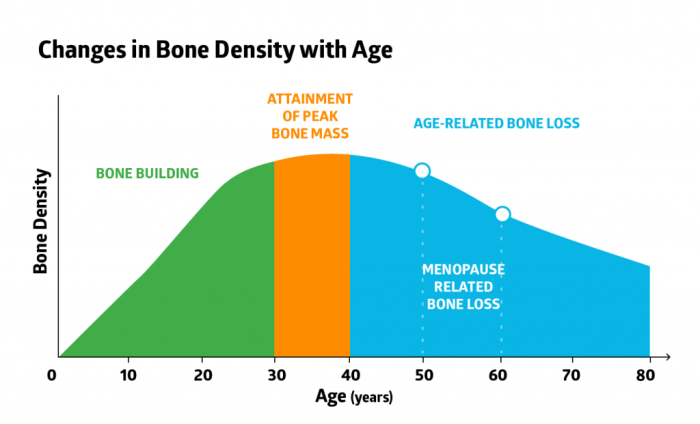
Weight-bearing exercises, such as walking, dancing, or weightlifting, can help prevent osteoporosis by increasing bone density and strength. By incorporating these activities into their routine, individuals can reduce the risk of fractures and maintain healthy bone mass as they age.
Cancer
Studies have shown that regular exercise can help reduce the risk of certain types of cancer, including breast, colon, and prostate cancer. Physical activity helps boost the immune system, regulate hormone levels, and reduce inflammation, all of which contribute to lowering the risk of developing cancer.
Proper Nutrition
Proper nutrition plays a crucial role in the management of chronic diseases, especially when combined with regular exercise. A well-balanced diet can enhance the benefits of physical activity and help individuals with chronic conditions improve their overall health and well-being.
Enhancing Exercise Benefits
Proper nutrition complements exercise by providing the necessary nutrients to support muscle function, energy levels, and recovery. For individuals with chronic diseases, such as diabetes or heart disease, a nutritious diet can optimize the effects of physical activity, leading to better management of their condition.
- Include a variety of fruits, vegetables, whole grains, lean proteins, and healthy fats in your daily meals.
- Avoid processed foods, sugary beverages, and excessive salt intake to reduce inflammation and support your immune system.
- Stay hydrated by drinking an adequate amount of water throughout the day to maintain proper bodily functions.
- Monitor your portion sizes and practice mindful eating to avoid overeating and promote better digestion.
- Consult a registered dietitian or healthcare provider to create a personalized nutrition plan tailored to your specific chronic condition and health goals.
Quality Sleep
Quality sleep is crucial for individuals managing chronic diseases, especially those who engage in regular exercise. Adequate rest plays a significant role in overall health and well-being, impacting various aspects of physical and mental function.
Impact of Exercise on Sleep Quality
Regular exercise has been shown to improve sleep quality in individuals with chronic diseases. Physical activity can help regulate sleep patterns, promote relaxation, and reduce symptoms of insomnia. By incorporating exercise into their routine, individuals may experience better sleep duration and quality.
Strategies for Improving Sleep Hygiene
- Establish a regular sleep schedule: Going to bed and waking up at the same time every day can help regulate the body’s internal clock.
- Create a relaxing bedtime routine: Engage in calming activities before bed, such as reading or taking a warm bath, to signal to your body that it’s time to wind down.
- Avoid stimulants and electronics: Limit caffeine intake and screen time before bed, as these can interfere with your ability to fall asleep.
- Create a comfortable sleep environment: Ensure your bedroom is dark, quiet, and at a comfortable temperature to promote quality sleep.
- Practice stress-reducing techniques: Incorporate mindfulness, deep breathing, or meditation exercises to help calm the mind and prepare for restful sleep.
Cardio Health
Regular exercise is crucial for individuals with chronic diseases to maintain cardiovascular health. Cardiovascular health refers to the well-being of the heart and blood vessels, which play a significant role in overall health and quality of life. Exercise helps improve heart function, circulation, and oxygen delivery to the body’s tissues, reducing the risk of heart disease and other cardiovascular complications.
Benefits of Cardio Exercises for Chronic Disease Management
Cardio exercises, such as walking, cycling, swimming, and aerobics, can help individuals managing chronic conditions by:
- Improving heart function and increasing cardiovascular endurance
- Reducing blood pressure and cholesterol levels
- Enhancing blood circulation and oxygen transport
- Aiding in weight management and reducing the risk of obesity-related complications
Incorporating Cardio Exercises into Routine
To support heart health in the context of chronic diseases, it is essential to incorporate cardio exercises into a regular routine. Here are some guidelines to help individuals get started:
- Consult with a healthcare provider before starting any exercise program to ensure safety.
- Choose activities that are enjoyable and can be sustained long-term.
- Start slowly and gradually increase the intensity and duration of cardio workouts.
- Include a variety of exercises to target different muscle groups and prevent boredom.
- Monitor heart rate during exercise and adjust intensity as needed to stay within a safe range.
- Stay hydrated and listen to your body’s signals to avoid overexertion.
Immune Boost
Regular exercise plays a crucial role in boosting the immune system of individuals with chronic diseases. Exercise helps improve overall health and can strengthen the body’s defense mechanisms against infections and illnesses. Here, we will delve into the relationship between exercise, immune function, and managing chronic conditions, along with tips on how individuals with chronic diseases can safely engage in exercise to enhance their immune response.
Benefits of Exercise on Immune Function
Regular physical activity has been shown to have a positive impact on the immune system. Exercise helps increase the production of antibodies and white blood cells, which are essential in fighting off infections. It also promotes better circulation, allowing immune cells to move more freely throughout the body.
Moreover, exercise can reduce inflammation, which is often associated with chronic diseases and can weaken the immune response.
- Engaging in moderate-intensity exercise, such as brisk walking, swimming, or cycling, for at least 30 minutes a day can help improve immune function.
- Strength training exercises can also be beneficial as they help build muscle mass and improve overall health, leading to a stronger immune system.
- It is important for individuals with chronic diseases to consult with their healthcare provider before starting any exercise routine to ensure safety and effectiveness.
Tips for Safe Exercise in Chronic Diseases
When incorporating exercise into a routine for individuals with chronic diseases, it is essential to start slowly and gradually increase intensity and duration. Here are some tips for safely engaging in exercise to enhance immune response:
- Avoid high-impact activities that may put excessive strain on joints and muscles.
- Listen to your body and stop exercising if you experience any pain, dizziness, or shortness of breath.
- Stay hydrated before, during, and after exercise to support immune function and overall health.
- Include a mix of cardiovascular, strength training, and flexibility exercises in your routine for optimal benefits.
Positive Mindset
Regular exercise has a profound impact on fostering a positive mindset in individuals with chronic diseases. Physical activity not only contributes to improving physical health but also plays a crucial role in enhancing mental resilience and promoting a positive outlook for those managing chronic conditions.
Strategies for Maintaining a Positive Mindset through Exercise
- Engage in activities you enjoy: Choose exercises that bring you joy and make you feel good, whether it’s dancing, yoga, or walking in nature.
- Set realistic goals: Break down your fitness objectives into achievable steps to boost confidence and motivation.
- Practice mindfulness: Incorporate mindfulness techniques into your workout routine to stay present and focused on the positive aspects of exercise.
- Connect with others: Join group fitness classes or exercise with a friend to enhance social support and motivation.
- Celebrate small victories: Acknowledge and celebrate your progress, no matter how small, to cultivate a sense of accomplishment and positivity.
Clean Eating
Clean eating refers to consuming whole, unprocessed foods in their most natural state, avoiding refined and artificial ingredients. For individuals with chronic diseases engaged in regular exercise, clean eating plays a crucial role in supporting their overall health and managing their conditions effectively.
Benefits of Clean Eating for Individuals with Chronic Diseases
- Improved Nutrient Intake: Clean eating ensures that individuals receive essential vitamins, minerals, and antioxidants that are beneficial for managing chronic conditions.
- Reduced Inflammation: Whole foods can help reduce inflammation in the body, which is often associated with various chronic diseases.
- Weight Management: By focusing on whole foods, individuals can better control their weight, which is essential for many chronic conditions such as diabetes and heart disease.
- Better Digestive Health: Clean eating promotes a healthy gut microbiome, which can positively impact digestion and nutrient absorption.
Examples of Clean Eating Habits
- Include a variety of fruits and vegetables in every meal to ensure a wide range of nutrients.
- Opt for lean proteins such as chicken, fish, tofu, and legumes to support muscle repair and growth.
- Avoid processed foods high in added sugars, unhealthy fats, and artificial ingredients.
- Choose whole grains like quinoa, brown rice, and oats over refined grains for sustained energy levels.
- Stay hydrated with water and herbal teas while limiting sugary beverages and excessive caffeine intake.
Daily Activity
Regular daily activity plays a crucial role in the overall well-being of individuals managing chronic diseases. In addition to structured exercise routines, incorporating daily movement and activity into one’s lifestyle can significantly improve health outcomes and quality of life.
Importance of Daily Activity for Individuals with Chronic Diseases
For individuals with chronic diseases, engaging in daily activity is essential for maintaining mobility, managing symptoms, and preventing further health complications. Daily movement helps improve circulation, strengthen muscles, and enhance flexibility, leading to better physical function and reduced risk of cardiovascular issues.
By incorporating simple ways to increase daily activity levels, individuals with chronic conditions can experience a range of benefits, including improved energy levels, better mood, and enhanced overall health. From taking short walks to doing household chores, every little bit of movement contributes to a healthier lifestyle.
Holistic Health
Holistic health focuses on the interconnectedness of the mind, body, and spirit in achieving overall well-being. For individuals with chronic diseases, this approach goes beyond just physical fitness and addresses the importance of mental and emotional health as well.
Mind-Body Connection
- Practicing mindfulness and meditation to reduce stress levels and improve mental clarity.
- Engaging in activities like yoga or tai chi to promote relaxation and flexibility.
- Seeking counseling or therapy to address any emotional challenges related to the chronic condition.
Nutritional Support
- Adopting a balanced diet rich in nutrients to support overall health and boost the immune system.
- Incorporating supplements or herbal remedies that complement traditional treatments for the chronic disease.
- Consulting with a nutritionist or dietitian to create a personalized meal plan that meets specific health needs.
Social Support and Community Engagement
- Joining support groups or online communities for individuals with similar chronic conditions to share experiences and advice.
- Participating in volunteer work or advocacy efforts related to the chronic disease to create a sense of purpose and belonging.
- Building strong relationships with family and friends who provide emotional support and encouragement throughout the journey.
Mindful Living
Living mindfully is essential for individuals with chronic diseases as it involves being fully present and aware of one’s thoughts, feelings, and surroundings. When it comes to managing chronic conditions, incorporating mindfulness practices into daily routines can have a positive impact on overall well-being.
Exercise plays a crucial role in supporting mindful living by promoting focus, concentration, and a deeper mind-body connection.
Benefits of Mindful Living for Individuals with Chronic Diseases
- Reduces stress and anxiety levels, which are common among individuals with chronic illnesses.
- Improves emotional regulation and promotes a sense of calmness and relaxation.
- Enhances self-awareness and the ability to listen to the body’s signals and needs.
- Boosts overall mental health and cognitive function, leading to better decision-making and problem-solving.
Integrating Mindfulness Practices into Exercise Routines
- Start each exercise session with a few minutes of deep breathing or meditation to center yourself and set intentions for the workout.
- Focus on the sensations in your body as you move through each exercise, paying attention to form, alignment, and muscle engagement.
- Practice gratitude for your body’s abilities and accomplishments during the workout, fostering a positive mindset and self-appreciation.
- Use exercise as a form of moving meditation, staying present and fully engaged in the moment without distractions.
Emotional Balance
Regular exercise plays a crucial role in maintaining emotional balance for individuals with chronic diseases. It not only helps in improving physical health but also contributes significantly to emotional well-being.
Benefits of Exercise for Emotional Well-being
Regular physical activity can help individuals cope with the challenges of chronic conditions by reducing stress, anxiety, and depression. Exercise stimulates the release of endorphins, also known as “feel-good” hormones, which can improve mood and overall mental health. Additionally, engaging in physical activity can enhance self-esteem, boost confidence, and provide a sense of accomplishment, all of which are essential for emotional balance.
- Exercise can act as a form of distraction, shifting focus away from negative thoughts and worries related to chronic diseases.
- Physical activity promotes better sleep patterns, which are crucial for emotional well-being.
- Being active outdoors can also increase exposure to natural light and fresh air, further improving mood and reducing feelings of isolation.
- Group exercise classes or activities can create a sense of community and support, reducing feelings of loneliness and enhancing emotional resilience.
It’s important for individuals managing chronic diseases to find physical activities that they enjoy and can incorporate into their daily routine to reap the emotional benefits of exercise.
Health Education
Health education plays a crucial role in empowering individuals with chronic diseases to prioritize exercise. By providing information and resources, individuals can better understand the benefits of physical activity in managing their conditions and improving overall well-being.
Importance of Educating About Exercise Benefits
It is essential to educate individuals about the benefits of exercise for managing chronic conditions. Regular physical activity can help improve cardiovascular health, boost the immune system, enhance mental wellness, and reduce stress levels. By understanding these advantages, individuals are more likely to incorporate exercise into their daily routine.
Resources for Informed Decision-Making
- Healthcare providers: Consult with doctors or specialists to create personalized exercise plans tailored to specific chronic conditions.
- Online platforms: Access reputable websites and online resources that offer guidance on safe and effective exercises for individuals with chronic diseases.
- Support groups: Joining support groups or community programs can provide valuable insights and motivation to stay active despite health challenges.
- Health education workshops: Attend workshops or seminars focused on the importance of exercise for managing chronic diseases to gain further knowledge and support.
Self-Care
Self-care is a crucial aspect of managing chronic diseases, as it involves taking proactive steps to prioritize one’s physical and mental well-being. When it comes to individuals with chronic conditions, incorporating self-care practices, such as exercise, can significantly impact their quality of life.
Benefits of Self-Care
Self-care routines, including regular exercise, can lead to improved overall health outcomes for individuals managing chronic diseases. By engaging in activities that promote physical fitness and mental wellness, individuals can better cope with their conditions and enhance their quality of life.
Examples of Self-Care Practices
- Engage in regular physical activity, such as walking, swimming, or yoga, to improve cardiovascular health and boost mood.
- Practice mindfulness and relaxation techniques, like meditation or deep breathing exercises, to reduce stress and anxiety.
- Ensure adequate rest and quality sleep to support the body’s healing and recovery processes.
- Follow a balanced diet rich in nutrient-dense foods to fuel the body and maintain overall health.
- Stay hydrated throughout the day to support bodily functions and promote optimal well-being.
Chronic Disease
Regular exercise plays a crucial role in managing specific chronic diseases and improving the overall quality of life for individuals dealing with such conditions. Physical activity has been shown to have numerous benefits for those with chronic illnesses, helping them better manage their symptoms and enhance their overall well-being.
Impact of Exercise on Chronic Diseases
- Regular exercise can help improve cardiovascular health, reduce inflammation, and enhance blood circulation, which are key factors in managing chronic conditions like heart disease, diabetes, and hypertension.
- Physical activity can also boost immunity, leading to a lower risk of infections and complications for individuals with chronic diseases.
- Exercise has been linked to better mental health outcomes, reducing symptoms of anxiety and depression that often accompany chronic illnesses.
Success Stories
“Incorporating exercise into my routine has made a significant difference in managing my chronic condition. I have more energy, reduced pain levels, and an overall improved quality of life.”
John, who has arthritis.
“I never realized how much exercise could impact my diabetes until I started a regular workout regimen. My blood sugar levels are more stable, and I feel healthier overall.”
Sarah, living with type 2 diabetes.
Epilogue
In conclusion, the importance of exercise for individuals with chronic diseases cannot be overstated. By embracing a lifestyle that prioritizes physical activity, individuals can enhance their quality of life, manage their symptoms effectively, and foster a sense of well-being that transcends the limitations of their conditions.
Key Questions Answered
How often should individuals with chronic diseases exercise?
It is recommended for individuals with chronic diseases to engage in at least 150 minutes of moderate-intensity exercise per week, as per guidelines from health professionals.
Can exercise help in managing chronic pain?
Yes, regular exercise can help alleviate chronic pain by improving flexibility, strength, and overall physical function, reducing the impact of pain on daily life.
What are some low-impact exercises suitable for individuals with chronic diseases?
Low-impact exercises like swimming, walking, and yoga are gentle on the joints and can be beneficial for individuals with chronic conditions.
Is it necessary to consult a healthcare provider before starting an exercise regimen?
It is highly recommended to consult a healthcare provider before beginning any exercise program, especially for individuals with chronic diseases, to ensure safety and appropriateness.