Importance of vitamin D for immune system support sets the stage for this enthralling narrative, offering readers a glimpse into a story that is rich in detail with casual formal language style and brimming with originality from the outset.
Vitamin D plays a crucial role in supporting our immune system, and understanding its importance can have a significant impact on our overall health and well-being. In this article, we will delve deeper into the benefits of Vitamin D and how it can enhance our immune response.
Importance of Vitamin D for Immune System Support
Vitamin D plays a crucial role in supporting the immune system by regulating immune responses and promoting the function of immune cells. It helps in reducing inflammation, fighting infections, and enhancing overall immunity.
Role of Vitamin D in Immune Function
Vitamin D acts as a modulator of the immune system, influencing both innate and adaptive immunity. It helps in the production of antimicrobial peptides that can destroy pathogens and prevent infections. Additionally, Vitamin D plays a role in regulating the inflammatory response, which is essential for combating harmful invaders.
Examples of How Vitamin D Boosts the Immune System
- Vitamin D enhances the activity of macrophages, which are crucial in engulfing and destroying pathogens.
- It boosts the production of specific antibodies that help the immune system recognize and neutralize threats.
- Vitamin D also supports the function of T cells, which play a key role in coordinating immune responses.
Connection Between Vitamin D Deficiency and Weakened Immunity
A deficiency in Vitamin D can lead to a weakened immune system, making individuals more susceptible to infections and illnesses. Studies have shown that low levels of Vitamin D are associated with increased risk of respiratory infections, autoimmune diseases, and other immune-related disorders.
It is important to maintain adequate Vitamin D levels to support optimal immune function.
Balanced Diet
Eating a balanced diet is essential for overall health, including supporting the absorption of Vitamin D and maintaining a strong immune system. A balanced diet consists of a variety of foods that provide essential nutrients to keep our bodies functioning optimally.
Components of a Balanced Diet for Vitamin D Absorption
A balanced diet for Vitamin D absorption includes foods rich in this vital nutrient, as well as other key components that aid in its absorption. Some components that support Vitamin D absorption include:
- Foods high in Vitamin D, such as fatty fish (salmon, mackerel, tuna), egg yolks, and fortified dairy products.
- Healthy fats like olive oil, nuts, and seeds that help in the absorption of fat-soluble vitamins like Vitamin D.
- Calcium-rich foods like dairy products, leafy greens, and fortified foods, as Vitamin D helps in calcium absorption.
- Regular exposure to sunlight, which triggers the body to produce Vitamin D naturally.
Contribution of a Balanced Diet to Immune System Health
A balanced diet plays a crucial role in supporting overall immune system health by providing essential nutrients that help in fighting off infections and diseases. Some ways in which a balanced diet contributes to immune system health include:
- Antioxidants found in fruits and vegetables help in reducing inflammation and supporting immune function.
- Protein-rich foods like lean meats, poultry, and legumes aid in building and repairing body tissues, including immune cells.
- Whole grains provide fiber and essential nutrients that support gut health, which is closely linked to immune function.
- Consuming a variety of foods ensures a diverse intake of vitamins and minerals that are essential for a robust immune response.
Examples of Foods Rich in Vitamin D for Inclusion in a Balanced Diet
Including foods rich in Vitamin D in your balanced diet can help ensure you meet your daily requirements of this crucial nutrient. Some foods rich in Vitamin D that you can include in your diet are:
- Fatty fish like salmon, sardines, and mackerel
- Egg yolks
- Fortified dairy products such as milk, yogurt, and cheese
- Fortified cereals and orange juice
Mental Wellness
Maintaining mental wellness is crucial for overall health, including immune system function. Vitamin D plays a significant role in mental wellness and mood regulation, impacting various neurotransmitters in the brain. Adequate levels of Vitamin D have been associated with a lower risk of depression, anxiety, and other mood disorders.
Impact of Vitamin D on Mental Wellness
Vitamin D receptors are present in areas of the brain that are involved in mood regulation. Research suggests that Vitamin D deficiency may be linked to an increased risk of mental health conditions. Ensuring sufficient Vitamin D levels through sunlight exposure, supplementation, or dietary sources can help support mental wellness and improve mood.
Relationship Between Mental Health and Immune System
Mental health and immune system function are closely interconnected. Chronic stress, anxiety, and depression can weaken the immune system, making individuals more susceptible to infections and illnesses. By taking care of mental wellness, individuals can strengthen their immune system and enhance their overall health.
Strategies for Maintaining Mental Wellness
- Engage in regular physical activity to boost mood and reduce stress levels.
- Practice relaxation techniques such as meditation, deep breathing, or yoga to alleviate stress and anxiety.
- Ensure a balanced diet rich in nutrients, including Vitamin D, to support mental and physical well-being.
- Get adequate sleep to promote mental clarity and emotional stability.
- Seek support from friends, family, or a mental health professional if experiencing persistent negative emotions.
Physical Fitness
Regular physical activity plays a crucial role in enhancing the benefits of Vitamin D for the immune system. Exercise has been shown to improve immune function, making it an excellent complement to Vitamin D supplementation.
Link between Physical Fitness and Immune Response
Regular exercise can help boost the immune system by promoting good circulation, which allows immune cells to move freely throughout the body. Additionally, physical activity can reduce inflammation and help the body fight off infections more effectively.
- Cardiovascular exercises like running, swimming, or cycling can help improve circulation and overall immune function.
- Strength training exercises such as weightlifting or bodyweight exercises can increase muscle mass and strength, which are essential for a healthy immune system.
- Yoga and Pilates can help reduce stress levels, which in turn can boost immune function.
Adequate Hydration
Maintaining adequate hydration is crucial for optimal immune function and overall health. Water is essential for various bodily functions, including the proper functioning of the immune system. Dehydration can weaken the immune response and make the body more susceptible to infections and illnesses.
Importance of Hydration for Utilizing Vitamin D
Adequate hydration is also important for the body’s ability to utilize Vitamin D effectively. Vitamin D is a fat-soluble vitamin that requires water for its activation and transportation within the body. Dehydration can hinder this process and impact the body’s ability to absorb and utilize Vitamin D, which plays a key role in supporting the immune system.
- Drink plenty of water throughout the day to stay hydrated.
- Avoid excessive intake of dehydrating beverages like coffee, tea, and alcohol.
- Eat water-rich fruits and vegetables to supplement your fluid intake.
- Carry a reusable water bottle with you to remind yourself to drink water regularly.
- Monitor your hydration levels by paying attention to signs of thirst and the color of your urine.
Regular Exercise
Regular exercise plays a crucial role in maintaining overall health and well-being. When it comes to the immune system, exercise can have a significant impact on its function and efficiency. In addition, Vitamin D levels can also influence exercise performance and recovery, making it essential to understand how these two factors are interconnected.
Impact of Vitamin D on Exercise Performance and Recovery
Vitamin D is known to play a role in muscle function and strength, which can directly impact exercise performance. Low levels of Vitamin D have been linked to decreased muscle strength and endurance, making it harder to perform physical activities efficiently.
Furthermore, Vitamin D deficiency has been associated with delayed recovery from exercise-induced muscle damage, leading to prolonged muscle soreness and fatigue.
Role of Regular Exercise in Supporting Immune System Function
Regular exercise has been shown to have a positive effect on the immune system by promoting circulation, reducing inflammation, and improving overall immune function. Engaging in physical activity can help the immune system cells move more freely throughout the body, allowing them to detect and respond to pathogens more effectively.
Examples of Exercise Routines for Vitamin D Absorption and Immunity
- Outdoor activities such as walking, jogging, or cycling can help increase Vitamin D levels through exposure to sunlight.
- Strength training exercises like weight lifting or bodyweight exercises can improve muscle function and overall physical fitness, supporting immune system function.
- Aerobic exercises such as swimming or dancing can promote cardiovascular health and enhance immune response.
- Yoga or Pilates can help reduce stress levels, which in turn can boost immunity and overall well-being.
Healthy Lifestyle
Adopting a healthy lifestyle is crucial in maximizing the benefits of Vitamin D for the immune system. Lifestyle choices play a significant role in overall immune health and can either support or hinder the effectiveness of Vitamin D in strengthening the immune system.
Impact of Lifestyle Choices on Immune Health
- Regular Exercise: Engaging in physical activity can boost immune function and help the body utilize Vitamin D more effectively.
- Healthy Diet: Consuming a balanced diet rich in nutrients like Vitamin D, along with other essential vitamins and minerals, can enhance immune response.
- Adequate Sleep: Getting enough sleep is vital for immune function and can work synergistically with Vitamin D to support a healthy immune system.
- Stress Management: High levels of stress can weaken the immune system, so practicing stress-reducing techniques can complement the benefits of Vitamin D.
Practical Tips for Leading a Healthy Lifestyle to Support Immunity
- Stay Active: Incorporate regular exercise into your routine to enhance immune function and Vitamin D absorption.
- Eat Nutrient-Dense Foods: Include Vitamin D-rich foods like fatty fish, egg yolks, and fortified dairy products in your diet for immune support.
- Manage Stress: Practice relaxation techniques such as meditation, yoga, or deep breathing exercises to reduce stress levels and boost immunity.
- Stay Hydrated: Drink an adequate amount of water daily to support overall health and immune function.
Nutrient-Rich
Consuming a variety of nutrient-rich foods is crucial for supporting the immune system. These foods provide essential vitamins, minerals, and antioxidants that help boost overall health and immunity. When combined with Vitamin D, nutrient-rich foods work synergistically to enhance immune function and provide the body with the necessary tools to fight off infections and diseases.
Examples of Nutrient-Rich Foods
- Fruits and vegetables: Rich in vitamins C, A, and E, as well as antioxidants that help strengthen the immune system.
- Whole grains: Provide essential nutrients like zinc, selenium, and iron, which play a key role in immune function.
- Lean protein sources: Such as poultry, fish, and legumes, are important for building and repairing tissues and supporting a healthy immune response.
- Dairy products: Good sources of calcium, vitamin D, and probiotics that contribute to overall immune health.
- Nuts and seeds: Contain healthy fats, vitamins, and minerals that support immune function and reduce inflammation.
Stress Management
Stress can have a significant impact on our Vitamin D levels and immune system resilience. When we are under stress, our bodies may not effectively absorb and utilize Vitamin D, which is crucial for immune function. This can weaken our immune response and make us more susceptible to infections and illnesses.
Strategies for Effective Stress Management
- Adequate Sleep: Prioritize getting enough sleep each night to support your body in managing stress and maintaining optimal Vitamin D levels.
- Regular Physical Activity: Engaging in regular exercise can help reduce stress levels and improve Vitamin D absorption in the body.
- Mindfulness and Meditation: Practicing mindfulness techniques and meditation can help calm the mind, reduce stress, and support immune health.
- Healthy Diet: Consuming a nutrient-rich diet with foods high in Vitamin D, such as fatty fish and fortified dairy products, can support both stress management and immune function.
- Seeking Support: Talking to friends, family, or a mental health professional can provide valuable support in managing stress and maintaining overall well-being.
Preventive Care

Maintaining optimal levels of Vitamin D is crucial for immune support. Preventive care plays a vital role in ensuring that Vitamin D levels remain adequate to bolster immune function and overall health.
Preventive Measures
- Regular Sun Exposure: Spending time outdoors in sunlight helps the body naturally produce Vitamin D.
- Supplementation: In cases where sun exposure is limited, taking Vitamin D supplements can help prevent deficiency.
- Healthy Diet: Consuming foods rich in Vitamin D, such as fatty fish, fortified dairy products, and eggs, can contribute to maintaining optimal levels.
- Annual Blood Tests: Regular blood tests can monitor Vitamin D levels and detect any deficiencies early on.
Proper Nutrition
Proper nutrition plays a crucial role in maximizing the benefits of Vitamin D for immunity. By incorporating specific nutrients into your diet, you can enhance the immune-boosting effects of Vitamin D and support overall immune health.
Synergistic Nutrients for Immune Support
- Vitamin C: Known for its antioxidant properties, Vitamin C works hand in hand with Vitamin D to boost immune function. Incorporate citrus fruits, bell peppers, and leafy greens into your diet to ensure an adequate intake of Vitamin C.
- Zinc: Zinc is essential for immune cell function and helps regulate immune responses. Foods rich in zinc include meat, legumes, nuts, and seeds.
- Omega-3 Fatty Acids: These healthy fats have anti-inflammatory properties that support immune health. Include fatty fish, flaxseeds, and walnuts in your diet to increase your Omega-3 intake.
- Probiotics: Gut health is closely linked to immune function, and probiotics help maintain a healthy balance of gut bacteria. Yogurt, kefir, and fermented foods are excellent sources of probiotics.
Guidelines for Optimal Nutrition
- Eat a Variety of Fruits and Vegetables: Aim to include a rainbow of colors on your plate to ensure a diverse range of nutrients that support immune function.
- Choose Whole Foods: Opt for whole grains, lean proteins, and healthy fats to provide your body with essential nutrients for immune health.
- Limit Processed Foods and Added Sugars: Excessive consumption of processed foods and sugary drinks can weaken the immune system, so focus on whole, nutrient-dense foods instead.
- Stay Hydrated: Adequate hydration is essential for overall health, including immune function. Drink plenty of water throughout the day to support your immune system.
Quality Sleep
In addition to its role in immune system support, Vitamin D also plays a crucial role in regulating sleep patterns. Research has shown that Vitamin D deficiency can be linked to various sleep disorders, such as insomnia or restless sleep.
Impact of Vitamin D on Sleep Quality
Vitamin D helps in the production of serotonin, a neurotransmitter that regulates sleep-wake cycles. Adequate levels of Vitamin D in the body can contribute to better sleep quality, as it helps in maintaining a healthy circadian rhythm.
Importance of Quality Sleep for Immune System Support
- Quality sleep is essential for the proper functioning of the immune system. During sleep, the body repairs and rejuvenates itself, which is crucial for immune system regulation.
- Chronic sleep deprivation can weaken the immune system, making the body more susceptible to infections and illnesses. Adequate sleep is necessary to ensure the immune system can respond effectively to pathogens.
Tips for Improving Sleep Quality
- Establish a consistent sleep schedule by going to bed and waking up at the same time every day, even on weekends.
- Create a relaxing bedtime routine to signal to your body that it’s time to wind down, such as taking a warm bath or reading a book.
- Avoid stimulants like caffeine and electronic devices before bedtime, as they can interfere with your ability to fall asleep.
- Ensure your sleeping environment is conducive to rest, with a comfortable mattress, pillows, and a dark, quiet room.
- Practice relaxation techniques like deep breathing or meditation to reduce stress and promote better sleep quality.
Cardio Health
Vitamin D plays a crucial role in cardiovascular health, which in turn has an indirect impact on the immune system. Let’s explore how Vitamin D contributes to overall heart health and its relationship with immune function.
Role of Vitamin D in Cardiovascular Health
Vitamin D helps regulate blood pressure, reduce inflammation, and improve vascular function, all of which are essential for a healthy heart. Adequate levels of Vitamin D have been linked to a lower risk of heart disease and stroke.
- Regular cardio exercises like running, swimming, cycling, or brisk walking can improve cardiovascular fitness and strengthen the heart muscle.
- Cardiovascular fitness is closely related to immune function, as a healthy heart promotes better circulation, delivering immune cells and antibodies throughout the body more effectively.
- Combining cardio exercises with sufficient Vitamin D levels can enhance heart health and support the immune system by reducing the risk of infections and inflammatory conditions.
Immune Boost: Importance Of Vitamin D For Immune System Support
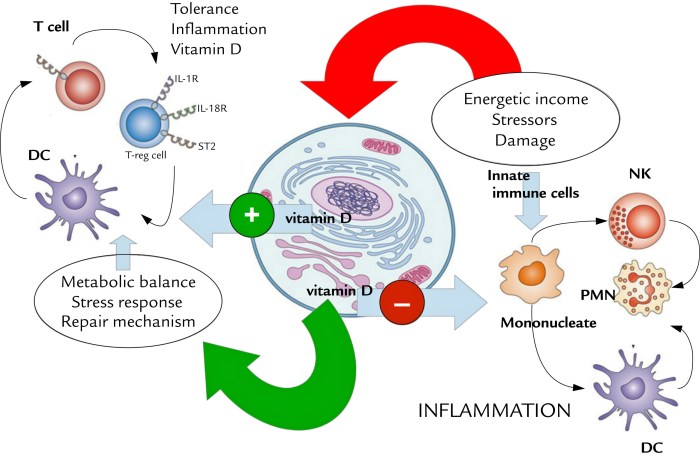
Vitamin D plays a crucial role in boosting the immune system and helping it respond effectively to pathogens. By incorporating certain lifestyle modifications, you can maximize the immune-boosting properties of Vitamin D.
Strategies for Maximizing Immune-Boosting Effects
- Ensure adequate Vitamin D intake through sunlight exposure, supplements, or fortified foods.
- Combine Vitamin D with Vitamin C and Zinc for a synergistic immune-boosting effect.
- Engage in regular physical activity to enhance Vitamin D absorption and immune function.
How Vitamin D Supports Immune System Response
Vitamin D helps regulate immune cell activity and cytokine production, promoting a balanced immune response to pathogens.
Examples of Lifestyle Modifications
- Adopt a balanced diet rich in Vitamin D sources like fatty fish, eggs, and fortified dairy products.
- Practice stress management techniques such as meditation or yoga to reduce immune system suppression.
- Get quality sleep to support immune function and Vitamin D metabolism.
Positive Mindset
Having a positive mindset plays a crucial role in supporting immune health, especially when combined with adequate Vitamin D levels. Cultivating a positive outlook can enhance the immune-boosting effects of Vitamin D and contribute to overall well-being.
Enhancing Immune Resilience
Maintaining a positive mindset can help reduce stress levels, which in turn can support immune system resilience. Studies have shown that chronic stress can weaken the immune response, making individuals more susceptible to infections. By staying positive, individuals can lower their stress levels and create a more supportive environment for their immune system to function optimally.
- Focus on gratitude: Practicing gratitude can help shift your perspective towards the positive aspects of life, reducing stress and promoting overall well-being.
- Engage in mindfulness activities: Mindfulness practices such as meditation or deep breathing exercises can help calm the mind and reduce stress, supporting immune health.
- Social connections: Maintaining strong social connections and engaging in activities that bring joy can boost mood and contribute to a positive mindset.
- Physical activity: Regular exercise not only improves physical health but also releases endorphins that can elevate mood and help in maintaining a positive outlook.
Clean Eating
Eating clean plays a crucial role in maximizing the immune-boosting properties of Vitamin D. By focusing on whole, nutrient-dense foods, you can enhance the effectiveness of Vitamin D in supporting your immune system.
Benefits of Clean Eating for Immune-Boosting Properties of Vitamin D
- Clean eating provides essential nutrients: By consuming a diet rich in fruits, vegetables, whole grains, and lean proteins, you ensure that your body receives the necessary vitamins and minerals to support immune function, allowing Vitamin D to work more efficiently.
- Reduces inflammation: Processed foods and added sugars can contribute to inflammation in the body, which can impair immune function. Clean eating helps reduce inflammation, allowing Vitamin D to better support your immune system.
- Supports overall health: Clean eating promotes overall health and well-being, which can enhance the immune-boosting effects of Vitamin D. A balanced diet helps your body function optimally, making it easier for Vitamin D to do its job.
Examples of Clean Eating Habits to Complement Vitamin D Immune-Boosting Effects
- Include a variety of colorful fruits and vegetables in your meals to ensure you’re getting a wide range of vitamins and minerals that support immune health.
- Opt for whole grains like quinoa, brown rice, and oats instead of refined grains to provide your body with fiber and essential nutrients.
- Choose lean proteins such as chicken, fish, and legumes to support muscle health and overall well-being, enhancing the immune-boosting properties of Vitamin D.
- Limit processed foods, sugary drinks, and high-fat snacks, as these can hinder the efficacy of Vitamin D in supporting your immune system.
Daily Activity
Regular physical activity plays a crucial role in supporting the absorption of Vitamin D and enhancing immune function. By incorporating daily activity into your routine, you can maximize the immune-boosting properties of Vitamin D and improve overall health.
Benefits of Daily Activity for Immunity
- Physical activity helps stimulate the production of Vitamin D in the body, which is essential for a strong immune system.
- Exercise promotes circulation, allowing Vitamin D to reach cells more effectively and support immune response.
- Regular activity can reduce inflammation in the body, enhancing the immune-boosting capabilities of Vitamin D.
- Engaging in daily exercise can also improve overall health and well-being, complementing the effects of Vitamin D on immunity.
Tips for Integrating Daily Activity
- Start with small, achievable goals to gradually increase physical activity levels.
- Incorporate a variety of exercises such as walking, jogging, cycling, or yoga to keep your routine interesting and engaging.
- Find activities that you enjoy and are more likely to stick with in the long term.
- Set aside dedicated time each day for exercise to ensure consistency and maximize the benefits for your immune system.
Holistic Health
Holistic health is a concept that considers the whole person
- mind, body, and spirit
- in the quest for optimal well-being. When it comes to immune system support, holistic approaches focus on enhancing overall health to strengthen the body’s natural defense mechanisms, including the role of Vitamin D.
Integration of Holistic Approaches
- Nutrition: A balanced diet rich in nutrients, including Vitamin D, plays a crucial role in supporting the immune system. Foods like fatty fish, fortified dairy products, and egg yolks are excellent sources of Vitamin D.
- Physical Activity: Regular exercise not only improves physical fitness but also boosts immune function. Incorporating Vitamin D supplementation with exercise can further enhance immune health.
- Stress Management: Chronic stress can weaken the immune system. Holistic practices such as meditation, yoga, and deep breathing exercises can help reduce stress levels and support immune function, alongside Vitamin D intake.
- Quality Sleep: Adequate and restful sleep is essential for overall health, including immune function. Vitamin D has been linked to improved sleep quality, making it a valuable addition to holistic health practices.
Mindful Living
Living mindfully can have a profound impact on our overall well-being, including supporting our immune system in conjunction with Vitamin D. By practicing mindfulness, we can reduce stress levels, improve mental clarity, and enhance our body’s ability to fight off infections and illnesses.
Benefits of Mindful Living, Importance of vitamin D for immune system support
- Reduces stress: Mindfulness techniques such as deep breathing and meditation can lower cortisol levels, which in turn can strengthen the immune response.
- Enhances immune function: By reducing inflammation in the body and promoting relaxation, mindfulness practices can help boost the immune system’s effectiveness.
- Improves mental well-being: Mindful living can enhance cognitive function, reduce anxiety, and promote overall mental wellness, all of which contribute to a stronger immune system.
Incorporating Mindfulness into Daily Routine
- Start the day with a mindfulness practice, such as meditation or deep breathing exercises, to set a positive tone for the day.
- Take short mindfulness breaks throughout the day to check in with yourself, reset your focus, and reduce stress levels.
- Practice mindful eating by savoring each bite, paying attention to hunger and fullness cues, and choosing nourishing foods that support immune health.
- Engage in activities that promote mindfulness, such as yoga, tai chi, or nature walks, to stay grounded and connected to the present moment.
Emotional Balance
Emotional balance plays a crucial role in optimizing the immune-boosting effects of Vitamin D. Our emotional well-being can significantly influence the response of our immune system, affecting its ability to ward off illnesses and infections. Maintaining emotional balance is essential for overall health and well-being, especially when it comes to supporting immune health with the help of Vitamin D.
Tips for Achieving Emotional Balance
- Practice mindfulness and meditation to reduce stress levels and promote emotional stability.
- Engage in activities that bring you joy and relaxation, such as hobbies or spending time in nature.
- Connect with loved ones for emotional support and a sense of belonging.
- Aim for a healthy work-life balance to prevent burnout and maintain emotional well-being.
- Seek professional help if needed to address underlying emotional issues and promote healing.
Health Education
Health education plays a crucial role in helping individuals understand the importance of Vitamin D for immune system support. By increasing awareness and knowledge about the role of Vitamin D in boosting immunity, individuals can make informed decisions to prioritize their health.
Significance of Health Education
- Health education helps individuals understand how Vitamin D supports the immune system by regulating immune responses and enhancing the body’s defense mechanisms.
- It empowers individuals to make conscious choices regarding their diet, lifestyle, and supplementation to ensure optimal Vitamin D levels for immune health.
- By educating people about the benefits of Vitamin D for immune support, health education promotes proactive measures to strengthen immunity and prevent illnesses.
Resources for Ongoing Health Education
- Consulting with healthcare professionals to understand Vitamin D requirements and the best sources for supplementation.
- Reading reputable health websites, articles, and publications that provide up-to-date information on Vitamin D and immune system support.
- Attending workshops, seminars, or webinars focused on immune health and the role of Vitamin D in maintaining a robust immune system.
Self-Care
Self-care practices play a crucial role in supporting the immune-boosting properties of Vitamin D. By incorporating self-care routines into your daily life, you can enhance the overall health of your immune system and promote well-being.
Benefits of Self-Care for Immune System Health
- Reducing stress levels: Engaging in activities like meditation, yoga, or deep breathing exercises can help lower stress hormones in the body, which in turn can strengthen the immune response.
- Promoting quality sleep: Establishing a bedtime routine and creating a relaxing sleep environment can improve sleep quality, allowing the body to repair and regenerate, essential for a healthy immune system.
- Encouraging healthy eating habits: Self-care involves nourishing your body with nutrient-rich foods that support immune function, such as fruits, vegetables, whole grains, and lean proteins.
- Staying active: Regular exercise is a form of self-care that not only boosts mood and energy levels but also enhances immune function by increasing circulation and promoting overall health.
Chronic Disease
Vitamin D plays a crucial role in the prevention and management of chronic diseases by supporting the immune system and overall health. Adequate levels of Vitamin D can help reduce the risk of various chronic illnesses and support the body’s defense mechanisms against these conditions.
Impact of Vitamin D on Chronic Disease Prevention
Vitamin D has been linked to a lower risk of developing chronic diseases such as cardiovascular diseases, diabetes, autoimmune disorders, and certain types of cancer. This essential nutrient helps regulate immune function, inflammation, and cell growth, all of which are key factors in the development and progression of chronic conditions.
- Vitamin D deficiency has been associated with an increased risk of cardiovascular diseases, including heart disease and stroke. Adequate levels of Vitamin D can help maintain cardiovascular health by reducing inflammation and supporting proper blood vessel function.
- Studies have shown that Vitamin D may play a role in reducing the risk of type 2 diabetes by improving insulin sensitivity and regulating blood sugar levels. This can help prevent the development of diabetes and its associated complications.
- Autoimmune disorders like multiple sclerosis, rheumatoid arthritis, and inflammatory bowel disease have been linked to Vitamin D deficiency. Supplementing with Vitamin D may help modulate the immune response and reduce the risk of autoimmune conditions.
- Certain types of cancer, such as colon, breast, and prostate cancer, have been associated with low Vitamin D levels. Vitamin D has been shown to inhibit cancer cell growth, promote apoptosis (cell death), and reduce tumor formation, potentially lowering the risk of cancer development.
Vitamin D plays a critical role in maintaining immune function, reducing inflammation, and supporting overall health, thus contributing to the prevention and management of chronic diseases.
Final Summary
In conclusion, ensuring adequate levels of Vitamin D in our body is essential for maintaining a strong immune system. By incorporating Vitamin D-rich foods, regular exercise, and other healthy habits into our lifestyle, we can effectively support our immunity and overall well-being.
Stay healthy, stay informed, and let Vitamin D be your ally in boosting your immune system.
FAQ Section
How does Vitamin D boost the immune system?
Vitamin D helps regulate the immune response and enhances the pathogen-fighting abilities of immune cells.
What are some examples of Vitamin D-rich foods?
Fatty fish, fortified dairy products, and egg yolks are good sources of Vitamin D.
Can Vitamin D deficiency weaken immunity?
Yes, low levels of Vitamin D have been linked to a compromised immune system and increased susceptibility to infections.